
How Does A Compressor Compress Air?
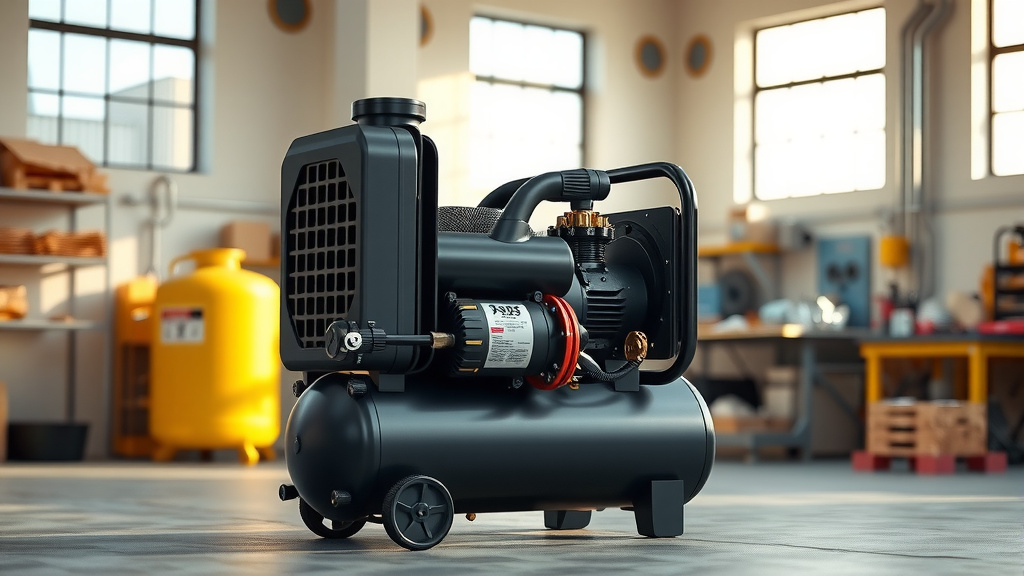
A compressor compresses air by drawing in ambient air, trapping it, and mechanically reducing its volume.
This action increases the air pressure significantly, allowing it to be stored and used as a powerful energy source for various tools and applications.
- Compressors increase air pressure by reducing its volume.
- They use mechanical methods like pistons or spinning screws.
- Compressed air powers many tools and industrial processes.
- Understanding how they work helps you choose and maintain the right one.
How Does A Compressor Compress Air?
Have you ever wondered what makes your air tools hum or what powers those massive industrial machines? The secret lies in compressed air. A compressor takes ordinary air from your surroundings, squeezes it into a much smaller space, and then releases it under high pressure. It’s a bit like inflating a balloon, but on a much more powerful and controlled scale.
The Basic Principle of Air Compression
Think of it simply: you take a large amount of air and force it into a smaller container. What happens? The air molecules get closer together. This closeness means they bump into each other and the container walls more often. This increased bumping is what we call higher pressure.
We found that this principle, known as Boyle’s Law, is fundamental to all compressor types. When volume decreases, pressure increases (assuming temperature stays constant). It’s quite fascinating how a simple scientific idea drives so many modern applications.
Why Do We Compress Air?
Why go through all this trouble? Because compressed air is a versatile and safe energy source. You can use it to power tools, clean surfaces, inflate tires, or even run entire factory lines. It’s a convenient way to store and deliver energy.
Many experts say compressed air offers a safer alternative to electricity in certain environments (Industrial Safety & Hygiene News). Plus, it’s often portable and readily available wherever you have a compressor.
Types of Air Compressors: Positive Displacement
When you look at how compressors work, you’ll mostly see two main types: positive displacement and dynamic. Positive displacement compressors are like a scoop, trapping a fixed amount of air and then pushing it into a smaller volume. They are the most common you’ll encounter.
Piston Compressors: The Reciprocating Heart
Piston compressors, also known as reciprocating compressors, are probably what you picture first. They work much like a car engine. A piston moves up and down inside a cylinder. You might even have one in your garage!
How a Piston Compressor Works
First, the piston moves down, pulling in air through an intake valve. This is the intake stroke. Then, the valve closes, trapping the air.
As the piston moves up, it squeezes that trapped air into a smaller space. This raises the pressure. Finally, an exhaust valve opens, pushing the high-pressure air out to your storage tank. It’s a cyclical dance of intake, compression, and discharge.
Rotary Screw Compressors: The Smooth Operator
Rotary screw compressors are often found in industrial settings. They are known for their continuous airflow and quieter operation. Instead of pistons, they use two helical rotors that intermesh.
How a Rotary Screw Compressor Works
Imagine two giant, twisting screws turning together. As these rotors spin, air gets trapped between their grooves. The continuous rotation causes the grooves to get smaller as the air moves along the length of the screws.
This progressive reduction in volume compresses the air. Then, the compressed air is discharged from the end of the rotors into your system. It’s a very smooth and efficient way to compress large volumes of air.
Understanding Dynamic Compressors
While positive displacement compressors trap air, dynamic compressors work differently. They use rotating impellers to accelerate air and then slow it down, converting velocity into pressure. They are usually for very large applications needing huge amounts of air.
Centrifugal Compressors
A centrifugal compressor is a prime example of a dynamic type. Air enters the center of a rapidly spinning impeller. The impeller throws the air outwards, increasing its speed.
Then, the air enters a diffuser, which slows it down. This deceleration converts the high velocity into high pressure. Think of it like a slingshot effect, converting speed into force.
Key Components in Your Air System
A compressor isn’t just the pump itself. It’s part of a larger system. Understanding these parts helps you appreciate the whole process. These components ensure your compressed air is clean, dry, and ready for use.
The Motor and Drive System
Every compressor needs power. An electric motor is most common, but gasoline or diesel engines are used for portable units. This motor drives the compression mechanism, whether it’s pistons or screws.
Air Storage Tank (Receiver)
After compression, the high-pressure air needs a place to go. That’s the receiver tank. It stores the compressed air, helps stabilize pressure, and allows the compressor to cycle on and off less frequently. This storage is vital for consistent airflow.
Air Treatment (Dryers and Filters)
Compressed air isn’t always perfectly clean or dry. It often contains moisture, oil, and particles from the atmosphere. Air dryers remove water vapor, while filters catch contaminants.
Using dry, clean air is incredibly important. Research shows that neglecting air treatment can lead to tool damage, product contamination, and costly repairs (Compressed Air & Gas Institute). So, don’t skip this step!
Choosing the Right Compressor for You
With different types available, how do you pick? It depends on your needs. For small jobs or home use, a portable piston compressor might be perfect. For continuous, heavy industrial work, a rotary screw is often the better choice.
Here’s a quick comparison of common types to guide your decision:
| Feature | Piston Compressor | Rotary Screw Compressor |
|---|---|---|
| Operation | Intermittent, stop-start cycles | Continuous, steady airflow |
| Noise Level | Louder | Quieter |
| Applications | Home, small workshops, DIY | Industrial, manufacturing, continuous use |
| Maintenance | More frequent oil changes (if oiled) | Generally lower, but specialized |
Keeping Your Compressor Healthy
Just like any other machine, your air compressor needs regular care. Proper maintenance ensures it runs efficiently and lasts a long time. Neglecting it can lead to costly breakdowns and poor performance.
Many manufacturers provide detailed maintenance schedules. Following these guidelines helps you avoid common problems. It’s an investment in your tools and your productivity.
Essential Maintenance Checklist
Want to keep your compressor in top shape? Here’s a quick checklist to help you:
- Drain the air tank daily: This removes moisture and prevents rust.
- Check oil levels regularly: If it’s an oiled compressor, proper lubrication is key.
- Clean or replace air filters: Dirty filters reduce efficiency and can harm the pump.
- Inspect hoses and fittings: Look for leaks or damage that can waste air.
- Test safety valves: Ensure they work correctly to prevent over-pressurization.
- Tighten fasteners: Vibration can loosen bolts over time.
Conclusion
Understanding how a compressor compresses air reveals the clever engineering behind this everyday power source. From trapping air with pistons to spinning it with screws, the core idea is always to reduce volume and boost pressure. Knowing the different types and their components helps you make smart choices for your specific needs.
Remember, a well-maintained compressor is a reliable compressor. By paying a little attention to its care, you ensure a steady supply of power for all your projects. Isn’t it great to know exactly how your tools get their grunt?
How do air compressors generate heat during operation?
When air is compressed, its molecules are forced closer together. This increase in molecular activity and friction generates heat, following the principles of thermodynamics. It’s a natural byproduct of the compression process.
Can I use any type of oil in my air compressor?
No, it’s crucial to use the specific type of oil recommended by your compressor’s manufacturer. Using the wrong oil can cause damage, reduce efficiency, and void your warranty. Compressor oil is formulated for high temperatures and pressures.
What is “CFM” in relation to air compressors?
CFM stands for Cubic Feet per Minute. It measures the volume of air a compressor can deliver at a certain pressure. It’s a key specification that tells you if a compressor can power your air tools adequately. Higher CFM means more air delivery.
How often should I drain the moisture from my compressor tank?
Many experts and manufacturers recommend draining the moisture from your compressor tank daily, especially in humid environments or with frequent use. This prevents rust buildup inside the tank and prolongs its lifespan. It also helps deliver drier air.
Are oil-free compressors really better?
Oil-free compressors are often preferred for applications where air purity is critical, like medical or food processing. They require less maintenance because there’s no oil to change. However, they can sometimes be louder and have a shorter lifespan compared to well-maintained oiled compressors.
