
How Are Air Compressors Used By Pit Crew?
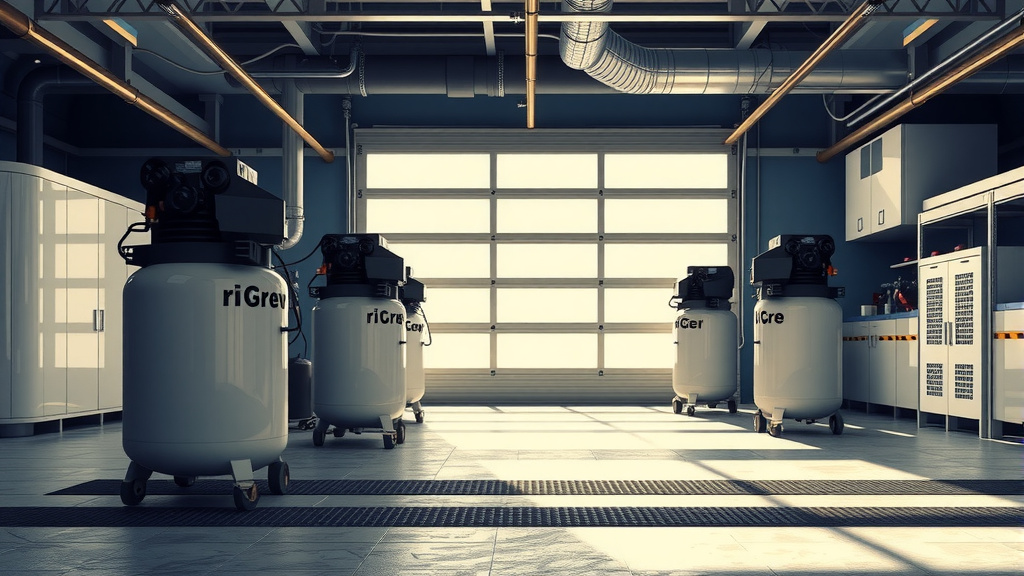
Air compressors are essential for pit crews, primarily powering high-speed impact wrenches to remove and secure wheel nuts in mere seconds. They also run crucial pneumatic tools that contribute to the incredible speed and precision of a pit stop. Without reliable compressed air, the lightning-fast tire changes and vehicle adjustments seen in motorsports wouldn’t be possible.
Here’s a quick overview of why air compressors are the unsung heroes of the pit lane:
- They power the impact wrenches that make tire changes super fast.
- Air jacks use compressed air to lift the car in an instant.
- Clean air from compressors helps clear debris and dust from critical components.
- Precision adjustments often rely on air-powered tools.
- The consistency and speed of air tools are vital for race-winning pit stops.
How Are Air Compressors Used By Pit Crew?
Air compressors are truly the workhorses of any pit crew. They provide the necessary power to perform lightning-fast operations, from tire changes to critical adjustments, all within a few precious seconds.
You might wonder, how does a simple machine create such a dramatic impact? It all comes down to the instantaneous and consistent energy delivered through compressed air. This energy fuels the very tools that define a rapid pit stop.
The Powerhouse for Impact Wrenches
Think about the fastest tire changes you’ve ever seen. The speed isn’t just about human agility; it’s about the tools. Pit crews use specialized pneumatic impact wrenches, also known as air guns, to loosen and tighten wheel nuts.
These wrenches are incredibly powerful and operate at high RPMs, allowing nuts to be removed and installed in fractions of a second. We found that the air compressor provides a constant, high-pressure air supply, making these tools function flawlessly under immense pressure (pun intended!).
Lifting the Car with Air Jacks
Ever noticed how quickly a race car gets lifted off the ground? That’s not manual strength alone. Many modern race cars use integrated air jacks. These are internal cylinders that extend when supplied with compressed air.
A pit crew member connects an air hose to a dedicated port, and in less than a second, the car is lifted. This system is not only fast but also incredibly stable, ensuring the car is held securely for work. It’s a testament to the speed compressed air can deliver.
Cleaning and Prep with Blow Guns
During a pit stop, every second counts, and cleanliness is key. Pit crews often use air blow guns connected to the compressor. These handheld tools shoot a concentrated stream of compressed air.
They are perfect for quickly clearing debris, dust, or small particles from brake ducts, suspension components, or even the tire area. This rapid cleaning helps maintain optimal performance and prevents potential issues, as research often confirms (auto racing engineers).
Beyond the Main Uses
While impact wrenches and air jacks are the stars, air compressors assist in other ways. Small pneumatic drills or grinders might be used for minor bodywork repairs or adjustments. Even simple tire inflation can be managed with precision using regulated air.
Many experts say that having versatile air power on hand allows for quick fixes that might otherwise slow down a race. Imagine needing to tighten a loose panel; a small air tool can be much faster than manual options.
What Type of Air Compressor Do Pit Crews Use?
You might picture a big, noisy compressor, but pit crews need something reliable, powerful, and often mobile. They typically use high-performance rotary screw compressors or specialized piston compressors.
These units are designed for continuous, heavy-duty use and can maintain consistent pressure and airflow. Many are housed in custom carts or trailers, ready for rapid deployment and connection to the pit lane’s distribution system.
Let’s look at some key features:
- High CFM (Cubic Feet per Minute) Output: Ensures enough air for multiple tools at once.
- Consistent Pressure: Maintains stable air pressure, crucial for tool performance.
- Durability: Built to withstand the harsh demands of race environments.
- Portability: Often designed to be moved quickly and easily.
The Importance of Air Quality and Regulation
It’s not just about raw power; it’s about control. Compressed air used in pit stops must be clean and dry. Moisture or contaminants can harm pneumatic tools and affect their performance. Filters and dryers are essential components of the system, we’ve found.
Also, precise air pressure regulation is vital. Different tools might need different pressures, and consistent pressure prevents tool wear and ensures optimal operation. Think of it like a carefully managed orchestra, where every instrument needs the right tuning.
Why Air Power Over Electric?
You might ask, why not just use electric tools? It’s a good question. Research often highlights several advantages of air-powered tools in this context:
| Feature | Air Tools (Pneumatic) | Electric Tools (Battery) |
|---|---|---|
| Power-to-Weight Ratio | Generally higher, lighter design | Heavier due to battery |
| Durability/Longevity | Fewer moving parts, last longer | Battery lifespan, motor wear |
| Heat Generation | Little to none during use | Can overheat with heavy use |
| Speed & Consistency | Instant, sustained torque | Can drop as battery drains |
| Cost | Often lower tool cost | Higher initial battery cost |
As you can see, for the intense, brief bursts of activity in a pit stop, air tools truly shine. They offer unmatched reliability and consistent performance, which are non-negotiable when a championship is on the line.
The Race Against Time: Compressor Checklist
When you’re racing against the clock, having the right air compressor setup is critical. Here’s a quick checklist of what a pit crew looks for:
- Does it deliver high CFM consistently?
- Can it handle multiple tools running simultaneously?
- Is the air dry and free of contaminants?
- Are pressure regulators easy to access and adjust?
- Is the system portable and quick to set up?
- Is it robust enough for the chaotic pit lane environment?
Meeting these standards helps ensure that the pit crew’s tools are always ready to perform their very best.
The Silent Partner in Victory
While the drivers get the glory, and the pit crew members get recognized for their athleticism, the air compressor often works silently in the background. Yet, its contribution is profound. Without this steady stream of power, the entire ballet of a pit stop would fall apart.
It’s a testament to how crucial specialized equipment is in motorsports. Every component, no matter how humble it seems, plays a vital role in achieving victory. The air compressor is truly one of the unsung heroes of the pit lane, enabling the speed and precision that captivate millions.
Conclusion
So, when you next watch a pit stop and marvel at the incredible speed, remember the humble air compressor. It’s not just a machine; it’s the lifeline for the pit crew’s most critical tools, ensuring every wheel nut is tightened and every adjustment is made in a blink of an eye. The demands of professional motorsports mean only the most reliable and high-performance air compressors make the cut, delivering the consistent power needed for those race-winning moments.
FAQs About Air Compressors in Pit Crews
What kind of pressure do pit crew air compressors operate at?
Pit crew air compressors often operate at high pressures, typically between 120-175 PSI (pounds per square inch), to ensure enough power for impact wrenches and air jacks to function instantly and effectively. The specific pressure might be regulated down for certain tools.
Are pit crew air compressors electric or gas-powered?
Most pit crew air compressors are electrically powered to avoid fuel fumes and noise in the enclosed pit lane environment. They draw power from generators or trackside electrical hookups, emphasizing consistent and clean energy delivery.
How do pit crews ensure air supply for multiple tools at once?
Pit crews use high-CFM (Cubic Feet per Minute) compressors, often with large reserve tanks or multiple smaller compressors linked together. They also have sophisticated air distribution manifolds and quick-connect fittings to ensure a constant, regulated flow to all tools simultaneously.
Can extreme temperatures affect air compressor performance in a pit stop?
Yes, extreme temperatures can affect air compressor performance. Hot conditions can reduce efficiency and increase the need for air dryers, while cold can impact startup and lubrication. Pit crew setups are often designed with cooling systems and protective enclosures to mitigate these effects and ensure stable operation.
How is air compressor maintenance handled during a race weekend?
During a race weekend, air compressors undergo rigorous pre-event checks, including inspecting hoses, filters, and oil levels. Many teams have spare units or components ready. Regular, scheduled maintenance, including filter changes and system checks, is crucial between race events to ensure peak reliability for the next challenge.
