
What Are Refrigeration And Air-Conditioning Compressor Heaters Used For?
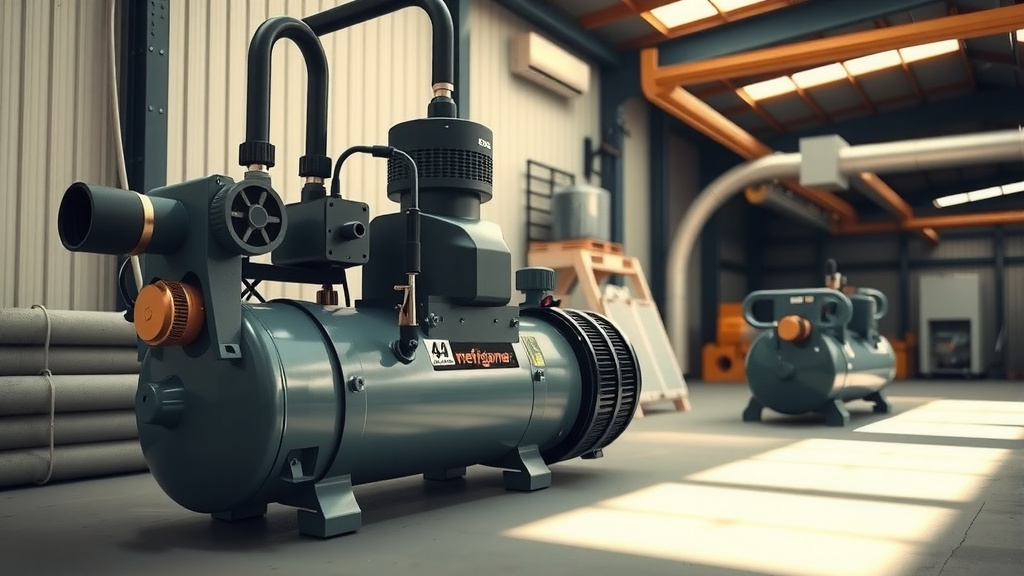
Refrigeration and air-conditioning compressor heaters are used primarily to prevent liquid refrigerant from accumulating in the compressor’s lubricating oil during idle periods. This protection is crucial for the longevity and efficient operation of the compressor, particularly in colder environments or when the system is not actively running.
These essential heaters maintain a warm temperature within the compressor crankcase, effectively boiling off any refrigerant that might migrate into the oil. This process safeguards against lubrication dilution, which can lead to severe damage and costly repairs, ensuring your system starts smoothly and runs reliably.
- Compressor heaters prevent liquid refrigerant from mixing with lubricating oil.
- They protect your compressor from potential damage during startup.
- Heaters ensure the oil maintains its proper viscosity and lubricating properties.
- They are especially vital in cold climates or during off-cycle periods.
- Using a heater can significantly extend your compressor’s lifespan and improve system efficiency.
What Are Refrigeration And Air-Conditioning Compressor Heaters Used For?
Refrigeration and air-conditioning compressor heaters serve a critical purpose: they keep the compressor’s oil warm. This simple act prevents liquid refrigerant from dissolving into the oil when the system is off, a phenomenon that can cause serious issues.
Imagine your compressor as the heart of your HVAC or refrigeration system. Just like you’d protect your own heart, you need to protect your compressor, and these heaters do just that. We found that without them, you’re looking at potential trouble.
Why Does Refrigerant Mix with Oil?
When your air conditioner or refrigerator is turned off, the refrigerant seeks out the coldest part of the system. Often, that’s the compressor’s crankcase, where the lubricating oil resides. Think of it like a cold drink absorbing flavors.
The colder the ambient temperature, the more likely this migration is to happen. Many experts say this process is simply a matter of physics: liquids move to areas of lower pressure and temperature. The refrigerant, in liquid form, essentially “sleeps” in your oil.
The Big Problem: Oil Dilution
So, what happens when liquid refrigerant mixes with the oil? It dilutes it. Your lubricating oil becomes thinner, almost watery. Imagine trying to lubricate a car engine with thin syrup instead of proper engine oil; it just wouldn’t work well.
This diluted oil loses its ability to protect the moving parts inside the compressor. Research often connects this oil dilution directly to increased wear and tear (ASHRAE Journal).
The Harmful Startup: Refrigerant Slugging
The real danger often arises during startup. When the compressor kicks on, the pressure in the crankcase suddenly drops. This causes the refrigerant mixed in the oil to violently boil and foam.
This foaming effect is sometimes called “slugging.” It means that instead of a steady flow of oil, the compressor attempts to pump a frothy mixture of oil and refrigerant. This can be devastating for internal components.
Damage to Bearings and Valves
When slugging occurs, your compressor’s bearings might not receive proper lubrication. This leads to friction, overheating, and rapid wear. The valves, designed for vapor, can also be damaged by trying to compress liquid. We found that damaged bearings are a common cause of early compressor failure.
It’s like trying to run on an empty stomach after a night out. Your system simply isn’t ready for the task, leading to strain and potential breakdown.
How Compressor Heaters Come to the Rescue
This is where the compressor heater steps in as your system’s silent guardian. By gently warming the compressor crankcase, it ensures the oil stays warmer than the rest of the system.
This warmth prevents liquid refrigerant from migrating into the oil in the first place. If some refrigerant does get in, the heat causes it to boil off and return to its gaseous state, where it belongs in the system, not the oil.
Types of Compressor Heaters
You’ll typically find a couple of types of compressor heaters. The most common are:
- Crankcase Heaters: These often wrap around the outside of the compressor’s lower shell. They directly warm the crankcase area where the oil collects.
- Sump Heaters: Sometimes built directly into the compressor or located internally, these achieve the same goal of warming the oil.
Both types perform the vital function of keeping the oil’s temperature above the refrigerant’s saturation temperature, preventing its harmful absorption.
When Are Compressor Heaters Most Important?
You might wonder if every system needs one. While many modern systems include them as standard, they are especially important in certain situations:
The need for a compressor heater often boils down to operational conditions. Consider if your system faces these challenges:
| Condition | Why Heaters Help |
|---|---|
| Cold Climates | Lower ambient temperatures increase refrigerant migration to oil. |
| Intermittent Operation | Systems that cycle on and off frequently give refrigerant time to migrate. |
| Long Off Cycles | Seasonal units or those off for extended periods benefit immensely. |
| Large Systems | Bigger systems have more refrigerant, increasing the risk of dilution. |
Signs You Might Need a Compressor Heater
Not sure if your system could benefit? Here’s a quick checklist to consider:
- Is your outdoor unit exposed to freezing temperatures?
- Does your system make unusual banging or knocking sounds at startup?
- Are you experiencing frequent compressor failures?
- Is your system designed for a cold region, or does it operate seasonally?
- Have you noticed reduced cooling or heating efficiency over time?
If you answered yes to several of these, it’s worth checking if your system has a functioning compressor heater.
Benefits Beyond Protection
While protecting against slugging is the primary role, compressor heaters offer additional advantages for your system’s overall health and efficiency:
Improved System Efficiency
When the oil is at its proper viscosity, the compressor operates more smoothly and efficiently. Many studies show that proper lubrication means less friction, which translates to less energy waste. It’s like a well-oiled machine, literally!
Extended Compressor Lifespan
By preventing oil dilution and slugging, you drastically reduce the wear and tear on internal components. This directly contributes to a longer operating life for your compressor, saving you from expensive replacement costs down the line (HVACR Industry News).
Enhanced Reliability
You want your air conditioner to work when you need it most, right? A compressor heater helps ensure reliable startups and consistent performance, reducing the chances of unexpected breakdowns. This means fewer emergency service calls for you.
Maintenance and Installation Tips
Compressor heaters are typically simple, robust components. However, like any part of your system, they can fail. We found that checking for power to the heater during an off cycle can confirm it’s working.
If you’re considering adding a heater to an older system, it’s a job best left to a qualified HVAC technician. They can ensure the correct type and size of heater are installed and wired properly for safety and effectiveness.
Conclusion
So, what are refrigeration and air-conditioning compressor heaters used for? In essence, they are small, but incredibly vital, components that act as a bodyguard for your compressor. They prevent liquid refrigerant from mixing with lubricating oil, safeguarding against potential damage and ensuring your system runs smoothly and efficiently.
Investing in or ensuring the proper function of a compressor heater is a smart decision for anyone looking to extend the life of their HVAC or refrigeration system, improve its reliability, and avoid costly repairs. It’s a testament to how often the smallest parts play the biggest roles.
Are compressor heaters always on?
No, not always. Compressor heaters are typically designed to operate when the compressor is off. They often have their own power supply, separate from the main compressor circuit, ensuring they can keep the oil warm even when the system is idle. Some advanced systems might integrate them with smart controls, but their primary function is during non-operation.
Can a compressor run without a heater?
Yes, a compressor can technically run without a heater, but it significantly increases the risk of damage, especially in cold conditions or with intermittent operation. While smaller, hermetic compressors in mild climates might sometimes operate without one for a while, it’s not recommended for long-term reliability. Many manufacturers include them as a standard safety feature for a reason.
How much power does a compressor heater use?
Compressor heaters are generally low-wattage devices. They typically consume between 40 to 100 watts, depending on the compressor size and specific heater design. While they are designed to be energy-efficient, their continuous operation can add a small amount to your electricity bill. However, this cost is minimal compared to the potential expense of compressor repair or replacement.
What is the difference between a crankcase heater and a sump heater?
Both crankcase and sump heaters serve the same purpose: warming the compressor oil. The main difference lies in their placement. A crankcase heater is typically an external band or wrap around the compressor’s lower shell. A sump heater, on the other hand, is usually immersed directly into the oil within the compressor’s sump. While their design differs, their function remains identical in preventing oil dilution.
How long do compressor heaters last?
Compressor heaters are built to be durable and can often last for many years, sometimes for the entire lifespan of the compressor itself. However, like any electrical component exposed to varying temperatures and vibrations, they can eventually fail. Signs of failure include the compressor starting roughly, or an HVAC technician diagnosing a cold crankcase during an off cycle. Regular system checks can help identify issues early.
