
How To Pump Up A Basketball With An Air Compressor?
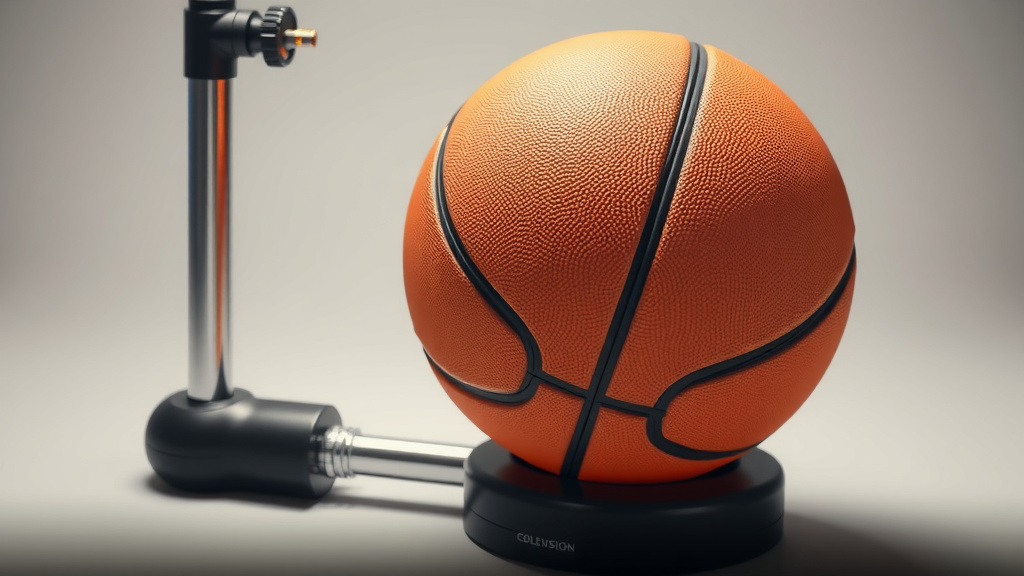
To pump up a basketball with an air compressor, you simply attach a sport ball needle adapter to the compressor’s hose, set the pressure to the basketball’s recommended PSI (pounds per square inch), and inflate slowly while checking the pressure frequently. This method offers quick and accurate inflation.
Always use the correct needle and monitor the pressure gauge carefully to avoid over-inflation, which can damage the ball. Air compressors make inflating your basketball fast and easy when used correctly.
- You can quickly inflate a basketball using an air compressor and a needle adapter.
- Always check the ball’s recommended PSI, usually printed near the valve.
- Inflate slowly in short bursts, monitoring the pressure with a gauge.
- Over-inflation can damage the ball and shorten its lifespan.
- Using an air compressor saves time and ensures consistent bounce for your game.
How To Pump Up A Basketball With An Air Compressor?
Pumping up a basketball with an air compressor is quite straightforward. You need the right tools and a little care to get your ball game-ready quickly and correctly.
Why Use an Air Compressor for Your Basketball?
Using an air compressor offers several perks over a hand pump. It’s much faster, provides consistent airflow, and helps you reach the precise PSI without much effort. Many experts say it’s the most efficient way to keep your sports balls ready.
- Compressors are lightning-fast, saving you time.
- They offer consistent air pressure for even inflation.
- You can achieve a precise PSI for optimal play.
- It takes less physical effort compared to manual pumps.
Essential Tools You’ll Need
Before you start, gather these few items. Having everything ready makes the process smooth and keeps your focus on the task. Think of it like a chef preparing their ingredients.
Your Air Compressor
Any standard air compressor will work, whether it’s a portable unit or a larger workshop model. Just ensure it has a hose connection. We found that even smaller pancake compressors are powerful enough for this job.
The Right Needle Adapter
This is perhaps the most important piece. You need a sport ball needle adapter that screws onto your compressor hose. These are universal for most sports balls and are inexpensive.
A Reliable Pressure Gauge
Many air compressors come with a built-in gauge, but an independent gauge offers more accuracy. You need to know the exact pressure to prevent over-inflating. Research often points to dedicated gauges for better precision (Cleveland Clinic).
Understanding Basketball PSI Requirements
Every basketball has a recommended air pressure, usually printed near the inflation valve. Following this guide ensures the ball performs as it should. It impacts bounce and feel during play.
Here’s a general guide for common basketball types:
| Basketball Type | Recommended PSI Range |
|---|---|
| Official Size (Men’s) | 7-9 PSI |
| Women’s/Youth Size | 7-9 PSI |
| Recreational/Street Play | Often 7-8 PSI |
Always check your specific ball, as these are general ranges. An under-inflated ball feels sluggish, while an over-inflated one is hard to control.
Step-by-Step Guide: Pumping Your Basketball
Ready to get that ball bouncing perfectly? Follow these steps, and you’ll be shooting hoops in no time. It’s a simple process, but accuracy is key.
Gather Your Gear
First things first, make sure you have everything laid out. It prevents scrambling mid-inflation. Imagine trying to find your car keys when you’re already late!
- Air compressor
- Sport ball needle adapter
- Pressure gauge (if not built-in)
- Your basketball
Connect the Adapter
Screw the needle adapter firmly onto the air compressor’s hose nozzle. Ensure it’s tight enough to prevent air leaks. A loose connection means wasted air and frustration.
Set the Compressor’s Output Pressure
If your compressor allows, set its output pressure close to the ball’s recommended PSI. This prevents accidental over-inflation. Many experts suggest setting it slightly below the target, then adding air in small bursts.
Start Inflating Slowly
Carefully insert the needle straight into the basketball’s valve. Then, give the compressor short bursts of air, just a few seconds at a time. This controlled approach is a game-changer for safety.
Check Pressure Often
Remove the needle and immediately check the pressure with your gauge. Repeat the process of adding small bursts and checking until you reach the optimal PSI. This back-and-forth ensures you don’t go too far.
Remove the Needle Safely
Once the desired pressure is reached, pull the needle straight out of the valve. Don’t twist it, as this can damage the valve or bend the needle. A quick, smooth pull is all it takes.
Common Mistakes to Avoid
Even seasoned players can make errors. Knowing these pitfalls helps you keep your basketball in top shape and avoid unnecessary damage.
Over-Inflation Risks
Pumping too much air into a basketball can stretch its internal bladder, leading to a “lumpy” bounce or even a burst. Many guidelines point to staying within the recommended PSI as a good first step (NFHS).
Using the Wrong Needle Adapter
Never try to force a needle that doesn’t fit. Using a generic or incorrect adapter can damage the ball’s valve, leading to a slow leak. Always use a dedicated sport ball needle.
Ignoring the Pressure Gauge
Guessing the pressure is like guessing how much sugar to put in a cake – it rarely turns out right. Always use a gauge for accuracy. We found that skipping the gauge is the quickest way to ruin a ball.
Maintaining Your Basketball’s Air Pressure
Basketballs naturally lose a small amount of air over time. It’s a normal process. We found that checking the pressure every few weeks, especially during active use, keeps it performing well. A quick top-up can make a big difference.
When Not to Use an Air Compressor
While great for general inflation, compressors aren’t always the answer. If your ball has a puncture or a faulty valve, adding air will be pointless, and the air will escape quickly. For these issues, professional repair or replacement is the better path.
Compressor Safety Tips
Air compressors are powerful tools. Always wear eye protection when operating one. Keep your hands clear of moving parts, and never aim the air nozzle at yourself or others. Safety first, always!
Conclusion
Pumping up a basketball with an air compressor is a quick and efficient way to ensure your ball is always ready for the court. By using the correct needle adapter, knowing your ball’s PSI, and inflating slowly with a keen eye on the pressure gauge, you can maintain your basketball’s condition and enhance your gameplay. Remember to prioritize safety and avoid common mistakes like over-inflation to keep your equipment in top shape for many games to come.
Can I use any air compressor for a basketball?
Yes, most standard air compressors, including portable ones and larger workshop models, are suitable for inflating a basketball. The key is having the correct sport ball needle adapter for the hose.
How often should I check my basketball’s air pressure?
You should check your basketball’s air pressure every few weeks, or before each intense playing session. Balls naturally lose some air over time, and regular checks ensure consistent performance.
What happens if I over-inflate my basketball?
Over-inflating a basketball can damage its internal bladder, leading to an inconsistent bounce, shortened lifespan, or even a burst. Always stick to the manufacturer’s recommended PSI range.
Is there a specific type of needle adapter I need?
Yes, you need a standard sport ball needle adapter. These are thin, metal needles that fit into the ball’s valve and screw onto most air compressor hoses or hand pumps.
How can I tell if my basketball is properly inflated without a gauge?
While a gauge is always recommended, a rough test is to hold the ball at shoulder height and drop it. An optimally inflated ball should bounce back up to around waist height. However, this method is less precise than using a gauge.
