
How To Use Hitachi Air Compressor?
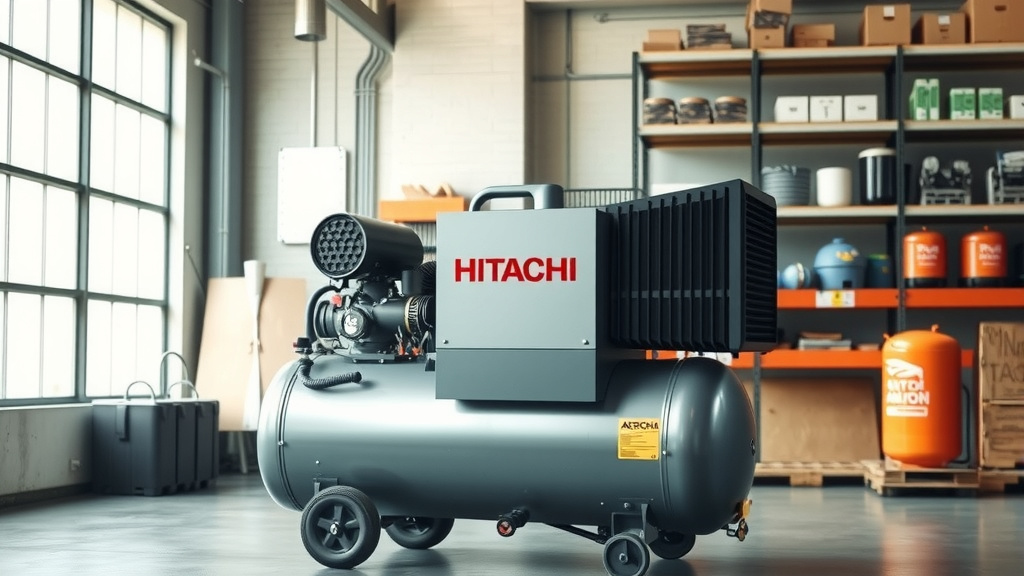
The Hitachi Air Compressor is used by connecting it to a power source, attaching your desired air tool, and adjusting the pressure for your task. You can easily use your Hitachi air compressor for various jobs from inflating inflating tires to powering nail guns, once you understand its basic operation.
To use your Hitachi air compressor, always ensure safety first, set it up correctly in a suitable location, and perform basic maintenance. Follow the user manual for specific model instructions and always double-check connections before starting any work.
- Always prioritize safety before starting your compressor.
- Place your unit on a flat, stable surface for best performance.
- Regularly check oil (if applicable) and drain condensation from the tank.
- Connect air tools securely and adjust pressure carefully to avoid damage.
- Following these basic maintenance steps extends your compressor’s life significantly.
How To Use Hitachi Air Compressor?
Using your Hitachi air compressor safely and effectively means understanding a few simple steps. With a bit of preparation, you can confidently tackle many projects around your home or workshop.
Understanding Your Compressor Before You Begin
Before you even plug in your unit, it is smart to get a feel for its parts. Knowing what each component does helps you operate it correctly. Think of it like learning the controls of a car before you drive.
Key Components You Should Know
Your Hitachi air compressor has several important parts. You’ll find a motor, a pump, an air tank, pressure gauges, and a regulator. Each part plays a vital role in generating and storing pressurized air for your tools.
The motor powers the pump, which then compresses air into the tank. The gauges show the tank pressure and the regulated output pressure. The regulator lets you set the working pressure for your specific tool.
Safety Protocols Are Paramount
Working with compressed air requires respect for safety rules. Many experts, including those at the Occupational Safety and Health Administration (OSHA), recommend always wearing appropriate personal protective equipment (PPE). This includes safety glasses and hearing protection.
Always inspect your compressor and air hoses for damage before each use. A damaged hose can be dangerous, potentially causing serious harm. Remember, your safety is truly our top concern.
Setting Up Your Hitachi Air Compressor
Proper setup is the first step towards a smooth operation. It is like laying a good foundation for a sturdy building. A little care here prevents big problems later on.
Choosing the Best Location
Where you place your compressor truly matters. You want a level, stable surface to prevent tipping. Ensure the area is well-ventilated, allowing the motor to cool properly (Compressor Manufacturers Association).
Keep your compressor away from heat sources and flammable materials. A dry environment also helps prevent rust and protects electrical components. Good airflow keeps your unit running efficiently.
Ensuring Proper Electrical Hook-Up
Your compressor needs the right electrical supply. Always check your compressor’s specifications for voltage and amperage requirements. Using the correct outlet prevents electrical issues and ensures reliable performance.
Avoid using long, thin extension cords, as they can cause voltage drops and overheat. If an extension cord is necessary, use a heavy-duty, grounded cord rated for the compressor’s power needs. This helps keep things safe.
The Importance of Oil Checks (If Applicable)
Many Hitachi compressors are oil-lubricated. If yours is one, you must check the oil level before first use and regularly thereafter. Proper oil levels protect internal components from wear.
Refer to your owner’s manual for the correct type of compressor oil. Running an oil-lubricated compressor with low or no oil can lead to serious damage and costly repairs. It is a quick check that saves trouble.
Your Pre-Operation Checklist
Before you push that ‘on’ button, run through this quick checklist. It helps ensure everything is ready and safe. A moment of checking prevents hours of fixing.
- Is the compressor on a level, stable surface?
- Are all electrical connections secure and correct?
- Have you checked the oil level (if applicable)?
- Are air hoses and tools securely attached and free of damage?
- Are you wearing safety glasses and hearing protection?
- Is the air regulator set to zero or its lowest setting?
Operating Steps for Your Hitachi Compressor
With setup complete and checks done, you’re ready to get to work. Operating your compressor is straightforward once you grasp these steps. It is simpler than you might imagine.
Powering On and Pressure Adjustment
Turn on your compressor by flipping the power switch. The tank will begin to fill with air. Once it reaches its maximum pressure, the compressor will shut off automatically. This is its normal cycle.
Now, adjust the pressure regulator to the PSI (pounds per square inch) needed for your specific tool. Always consult your tool’s manual for its recommended operating pressure. Setting the right pressure protects your tools and ensures good results.
Attaching Your Air Tools
To attach an air tool, pull back the collar on the quick-connect coupler on your hose. Insert the air tool’s fitting firmly into the coupler. Release the collar to lock the tool in place. Give it a gentle tug to confirm it’s secure.
This firm connection prevents air leaks and potential hazards. When you finish, disconnect the tool by pulling back the collar again. Be ready for a quick hiss of air as you disconnect.
Essential Maintenance Tasks
Regular maintenance extends the life of your Hitachi compressor. It helps your unit run efficiently and reliably for years. Think of it as giving your compressor a regular health check-up.
One critical step is draining moisture from the tank. Compressed air creates condensation inside the tank. If not drained regularly, this water can cause rust and damage. Many experts advise draining after each use, or at least weekly, depending on humidity and usage.
For oil-lubricated models, perform oil changes according to your manual’s schedule. Checking and replacing air filters also keeps your compressor working well. A clean filter ensures clean air enters the pump, preventing dirt from causing wear.
Quick Troubleshooting Tips
Sometimes, your compressor might act a little finicky. Don’t worry; many common issues have simple fixes. Here is a quick guide to help you troubleshoot.
| Issue | Possible Solution |
|---|---|
| Compressor won’t start | Check power cord, outlet, and circuit breaker. Ensure pressure switch is on. |
| Air leaks from connections | Tighten connections, check O-rings, or replace damaged hoses. |
| Low air pressure output | Adjust regulator, check for leaks, or ensure filter isn’t clogged. |
| Compressor runs constantly | Look for air leaks in tank or connections, or check pressure switch. |
Knowing When to Call for Service
While some issues are easy fixes, others require expert attention. If you encounter strange noises, persistent leaks you cannot locate, or if the motor gets unusually hot, it is time to call a qualified technician. Attempting complex repairs yourself can void warranties or cause further damage. Safety first, always!
Conclusion
Using your Hitachi air compressor can be a rewarding experience for many tasks. By understanding its components, following safety guidelines, and performing regular maintenance, you ensure reliable performance. You are now equipped with the practical knowledge to operate your compressor confidently. Remember, a little care goes a long way in keeping your tools in top shape. Enjoy your projects!
How do I prepare my Hitachi air compressor for first-time use?
For first-time use, place your compressor on a level surface, ensure proper electrical hook-up, and for oiled models, verify the oil level. Always read your specific model’s owner’s manual for any unique initial setup steps.
What kind of oil does a Hitachi air compressor need?
Hitachi air compressors typically require specific compressor oil, often a non-detergent type. Always consult your compressor’s user manual for the exact oil type and viscosity recommended for your model.
How often should I drain the tank on my air compressor?
Many experts recommend draining the air tank after each use or at least daily if used frequently, especially in humid environments. This prevents rust buildup and prolongs the tank’s life. Always release pressure before draining.
Can I use an extension cord with my Hitachi compressor?
It is generally best to avoid extension cords. If you must use one, ensure it is a heavy-duty, grounded cord specifically rated for the compressor’s amperage and voltage. A too-long or undersized cord can cause voltage drops and overheat.
What are common safety tips for using an air compressor?
Always wear safety glasses and hearing protection. Inspect hoses and tools for damage before use. Ensure the compressor is on a stable surface and away from flammables. Never direct compressed air at yourself or others, and always release tank pressure before maintenance.
