
How To Use Mini Air Compressor?
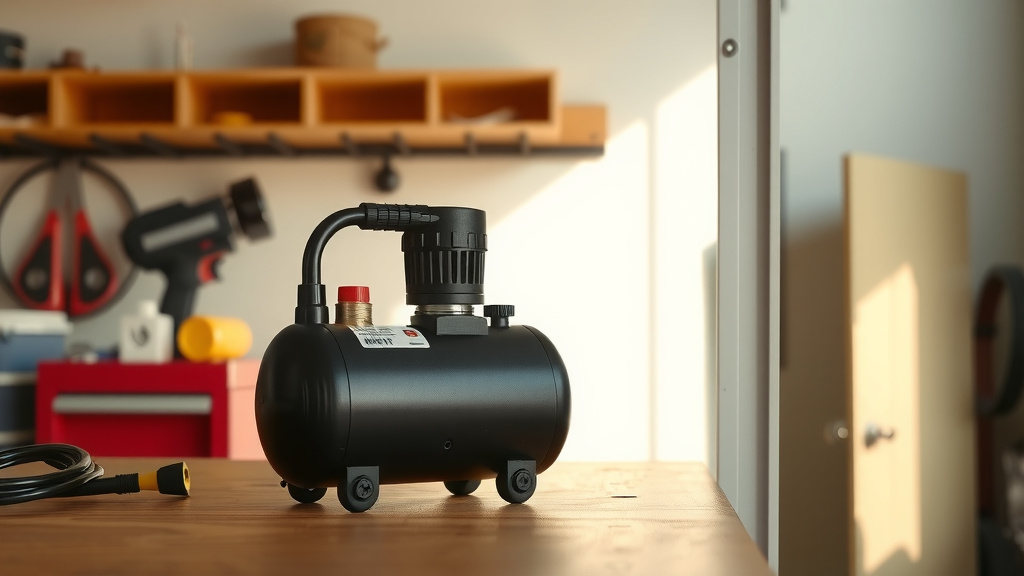
To use a mini air compressor, you first connect it to its power source, attach the correct nozzle to your item, and then activate the compressor to inflate or power your tool.
Operating a mini air compressor involves checking your item’s pressure needs, connecting the air hose securely, and monitoring the gauge until your desired pressure is reached.
- Mini air compressors offer great portability and ease of use for various tasks.
- You’ll primarily use them for inflating tires, sports equipment, and small air tools.
- Setting up is straightforward: connect power, choose an attachment, and secure it to your item.
- Always prioritize safety by checking pressure limits and wearing eye protection.
- Regular, simple maintenance helps to keep your compressor running smoothly for longer.
How To Use Mini Air Compressor?
Using a mini air compressor is a straightforward process, designed for quick and convenient tasks. These small but mighty devices are perfect for on-the-go inflation or powering light-duty air tools.
What Exactly Is a Mini Air Compressor?
A mini air compressor is a compact device that pressurizes air into a smaller volume. Think of it as a portable power station for air. It’s significantly smaller than garage compressors, making it easy to carry around.
These units often run on 12-volt car power, wall outlets, or even rechargeable batteries. They are engineered for tasks that don’t demand massive airflow or sustained power (SAE International).
Why Should You Choose a Mini Compressor?
Mini compressors offer incredible convenience and versatility. You get the power of compressed air in a tiny package. They’re a smart choice for quick fixes and routine upkeep. Many vehicle owners find them an absolute essential.
Their portability means you can handle unexpected flat tires anywhere. Also, for hobbyists, they provide a clean air source. We found that their simplicity makes them user-friendly even for beginners.
Common Uses for Your Mini Air Compressor
What can you exactly with such a compact device? The possibilities are quite practical. You’ll likely find yourself reaching for it more often than you think.
- Inflating car and bike tires: This is perhaps the most popular use.
- Pumping up sports equipment: Basketballs, footballs, and soccer balls are easy to inflate.
- Air mattresses and inflatable toys: Get ready for camping or pool days without manual pumping.
- Small air tools: Some models can power airbrushes or duster guns.
- Cleaning electronics: A gentle blast of air can remove dust from keyboards.
Getting Started: What You Need
Before you even plug in your mini air compressor, gather a few items. Being prepared makes the job much smoother. You’ll need the compressor itself, of course, and the item you want to work on.
You should also have the correct attachment or nozzle for your specific task. Also, keep your item’s pressure requirements in mind. A tire pressure gauge is useful if your compressor lacks an accurate one.
Checking Your Item’s Pressure Requirements
Every item has an optimal pressure range. For car tires, check your vehicle’s door jamb sticker. For bike tires, the sidewall often lists the recommended PSI (pounds per square inch).
Sports balls or air mattresses also show their ideal pressure. We found that staying within these limits is key. Over-inflating can cause damage, or even a dangerous blowout (National Highway Traffic Safety Administration).
Setting Up Your Mini Air Compressor
Setting up your compressor is usually quick and painless. First, ensure you are on a stable, level surface. This helps the compressor operate efficiently. Uncoil the power cord and air hose carefully.
Make sure there are no kinks in the hose. You want a clear path for the air to travel. This initial setup takes only a moment and prevents issues later on.
Connecting the Right Attachment
Most mini air compressors come with a few different nozzles. These attachments allow you to connect to various items. You might have a needle for sports balls, a tapered nozzle for inflatables, and a screw-on or quick-connect for tires.
Choose the one that fits snugly onto your item’s valve. A secure connection prevents air from escaping during inflation. This step is vital for efficient use.
Powering Up Your Compressor
Connecting your mini compressor to its power source is next. If it’s a 12-volt unit, plug it into your car’s cigarette lighter socket. For AC-powered units, find a standard wall outlet.
Battery-powered models simply need to be charged. Always ensure your power source is appropriate for your compressor’s rating. This avoids any electrical issues.
| Power Source Type | Common Uses | Pros | Cons |
|---|---|---|---|
| 12V DC (Car Outlet) | Tire inflation, roadside emergencies | Highly portable, always available in vehicle | Requires running vehicle, limited to vehicle range |
| AC (Wall Outlet) | Garage use, home projects, workshop | Consistent power, higher flow rates often | Requires nearby electrical outlet, less portable |
| Rechargeable Battery | Bikes, camping, small inflatables | Ultimate portability, no cords | Battery life limits run time, needs recharging |
Inflating Tires: Step-by-Step
Inflating tires is a core function for many mini compressors. It’s a simple process that gives you peace of mind. First, remove the valve cap from your tire. Then, securely attach the compressor’s air hose to the tire valve stem.
Turn on the compressor and watch the pressure gauge. Inflate to the recommended PSI. Turn off the compressor, disconnect the hose, and replace the valve cap. It’s that easy!
Using for Sports Equipment
Getting your sports equipment ready is just as simple. Select the needle attachment and carefully push it into the ball’s inflation port. Be gentle to avoid bending the needle.
Inflate until the ball feels firm but not hard. Many experts suggest checking with your hand. Over-inflating can damage the ball or make it difficult to play with.
Cleaning Dust with Air
A mini air compressor, with the right nozzle, can act as a powerful duster. It’s great for getting into tight spots. You can use it to clean computer keyboards, camera lenses, or delicate electronics.
Hold the nozzle a few inches away from the surface. Use short, controlled bursts of air. This prevents damage from too much pressure. Always ensure the device is off before cleaning.
Safety First: Important Tips
Working with compressed air means taking a few precautions. Your safety is always the top concern. Here are some key points to remember every time you use your mini air compressor:
- Always wear eye protection to guard against debris.
- Avoid directing air at skin or body parts.
- Make sure your work area is well-ventilated.
- Never exceed the maximum pressure rating of your item.
- Keep the compressor away from flammable materials.
- Let the unit cool down if you’re using it for extended periods.
Maintenance for Longevity
Mini air compressors are generally low-maintenance. However, a little care goes a long way. Regularly check the air hose for any cracks or leaks. A damaged hose reduces efficiency.
Keep the air intake vents clear of dust and debris. This helps the motor run cool. Store your compressor in a dry, clean place when not using it. Many experts say proper storage extends the unit’s lifespan.
Troubleshooting Common Issues
Sometimes, things don’t go perfectly. If your compressor isn’t working, check the power connection first. Is it firmly plugged in? Is the car engine running if it’s a 12V unit?
If there’s no air flow, check the nozzle for blockages. Also, ensure the hose is securely attached. If it overheats, let it cool down before restarting. Most issues have simple solutions.
Checklist for First-Time Use
- Did you read the compressor’s manual?
- Is the power source correct and connected?
- Have you selected the right attachment?
- Is the item’s valve stem clean and accessible?
- Do you know the required PSI for your item?
- Are your safety glasses ready?
Conclusion
Using a mini air compressor truly adds a layer of convenience to your daily life. From keeping your car tires optimally inflated to quickly preparing sports equipment, these compact tools deliver reliable performance. By understanding the simple setup, operation, and safety guidelines, you can gain much from your mini compressor. It’s a practical investment that provides quick solutions for many common inflation and cleaning tasks. Keep it ready, and you’ll always have pressurized air at your fingertips, making chores a little less troublesome.
How long can a mini air compressor run continuously?
Most mini air compressors are designed for intermittent use, typically running for 10-15 minutes before needing a cool-down period. This prevents overheating and extends the life of the motor. Always check your specific model’s manual for its recommended duty cycle.
Can I use a mini air compressor for painting or airbrushing?
Yes, some mini air compressors are specifically designed for airbrushing. These models usually have a smaller tank or operate continuously at lower pressures. However, standard tire inflator mini compressors generally don’t provide the consistent, oil-free air flow required for detailed painting tasks.
What’s the difference between PSI and Bar on a pressure gauge?
PSI (Pounds per Square Inch) and Bar are both units of pressure measurement. PSI is more common in the United States, while Bar is often used in Europe and other parts of the world. One Bar is approximately equal to 14.5 PSI. Your compressor’s gauge might show both, or you might need a simple conversion.
How do I properly store my mini air compressor?
Store your mini air compressor in a cool, dry place away from direct sunlight and extreme temperatures. Ensure the air hose is neatly coiled and not kinked. If it’s battery-powered, keep the battery charged according to manufacturer recommendations. Proper storage protects components from damage.
Are mini air compressors noisy?
Yes, most mini air compressors produce some level of noise during operation, often described as a buzzing or whirring sound. The noise level can vary significantly between models and brands. While they aren’t typically as loud as larger shop compressors, it’s something to consider, especially if you’re using it in quiet environments.
