
How To Use Tool Shop Air Compressor?
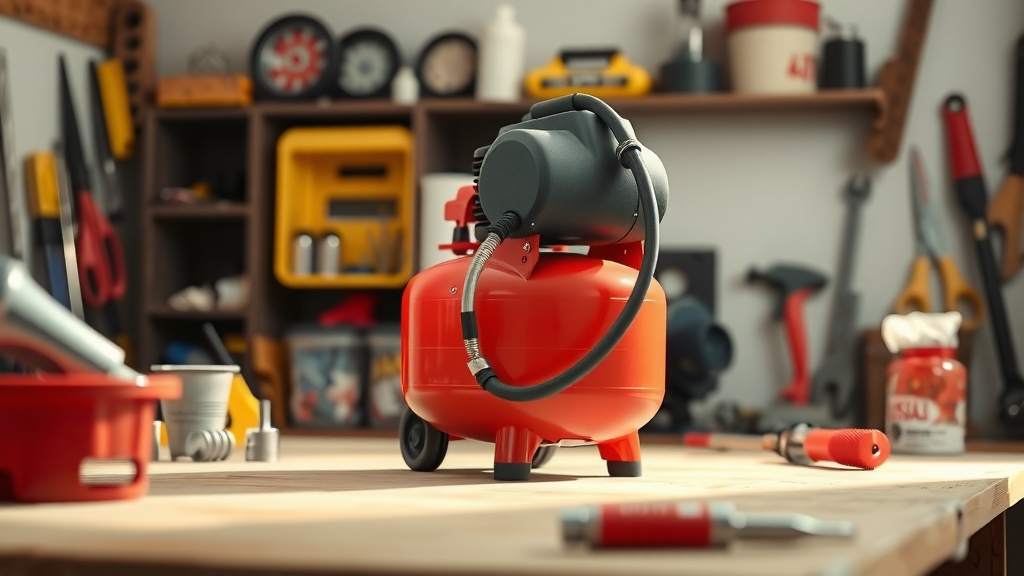
To use a Tool Shop Air Compressor, first ensure it’s on a stable, level surface, then connect your air hose and preferred air tool. Always check your tool’s PSI requirement before powering on, adjusting the compressor’s regulator to match.
Always prioritize safety by wearing appropriate gear and never exceeding the recommended pressure for your specific Tool Shop air compressor model or attached tool.
- Get started with your Tool Shop air compressor by plugging it in and attaching an air hose.
- Connect your desired air tool, like a nailer or tire inflator, to the hose securely.
- Adjust the compressor’s pressure regulator to match your tool’s recommended PSI for safe operation.
- Always drain the air tank after each use to prevent rust and maintain your compressor.
How To Use Tool Shop Air Compressor?
Using your Tool Shop air compressor is simpler than you might think. It means connecting your tools, setting the right pressure, and staying safe.
Safety First: Your Compressor Companion
Before you even think about plugging in your compressor, let’s talk safety. Think of it as your personal protection gear. Air compressors can be powerful, so a little caution goes a long way.
Always wear safety glasses to protect your eyes from debris. Hearing protection is also a smart move, as compressors can be quite noisy when running (OSHA guidelines confirm this). Consider gloves too, especially when handling tools.
Getting to Know Your Tool Shop Air Compressor
Your Tool Shop air compressor is a robust helper. It converts power into compressed air, ready for various tasks. Understanding its parts helps you use it better.
Key Components to Know
You have the tank, which stores the air. There’s the motor and pump that build the pressure. The regulator lets you control the air pressure going to your tool. A pressure gauge shows you the tank and outlet pressure. Finally, a drain valve lets you release moisture.
Setting Up Your Compressor
Find a firm, level spot for your compressor. This keeps it stable and reduces vibration. Make sure there’s good airflow around it to prevent overheating. We found that giving it some breathing room is always a good idea.
Powering Up Safely
Plug your compressor into a grounded outlet. Avoid using extension cords unless absolutely necessary, and if you must, use a heavy-duty, outdoor-rated cord suitable for the compressor’s amperage. This helps prevent power issues.
Before turning it on, ensure all valves are closed, especially the drain valve. Then, flip the power switch. You’ll hear it build pressure. Let it reach its maximum before proceeding, indicated by the motor shutting off.
Connecting Your Air Tools
This is where the magic happens! Connecting your tools correctly ensures they operate efficiently and safely.
Choosing the Right Air Hose
Select an air hose that is long enough for your work area but not excessively long, as longer hoses can sometimes reduce air pressure. We found that a good quality hose with quick-connect fittings makes your life much easier.
Attaching Your Tools Properly
Connect one end of your air hose to the compressor’s air outlet. Then, attach your air tool to the other end of the hose. Most hoses and tools use quick-connect couplers; they simply snap into place.
Always double-check that your connections are secure. A loose connection can cause air leaks or, worse, become a projectile. Give it a gentle tug to be sure.
Setting the Right Pressure (PSI)
This step is critical for both your tool’s performance and your safety. Think of it like tuning an instrument; you want the right setting for the best sound.
Tool-Specific Pressure Needs
Every air tool has a recommended operating pressure, usually listed in its manual or directly on the tool. This is often in Pounds per Square Inch (PSI). Many experts say to never exceed the maximum PSI for your tool (manufacturer guidelines confirm this).
Use the compressor’s regulator knob to adjust the output pressure. Turn it clockwise to increase pressure and counter-clockwise to reduce it. Watch the output pressure gauge as you adjust.
Operating Your Compressor: Step-by-Step
Here’s a simple checklist to get you working with your Tool Shop Air Compressor:
- Prepare Your Work Area: Clear any clutter and ensure good ventilation.
- Don Safety Gear: Put on your eye and ear protection.
- Plug In and Power On: Connect to power and let the tank fill.
- Connect Hose and Tool: Securely attach your air hose and desired tool.
- Adjust PSI: Set the regulator to your tool’s recommended pressure.
- Test Your Tool: Do a quick test fire in a safe direction.
Basic Maintenance for Longevity
Taking care of your compressor keeps it running smoothly for years. It’s like regular oil changes for your car; small effort, big reward.
Draining the Tank
After every use, you must drain the moisture from the tank. Condensation builds up, and if left, it will cause rust from the inside out. Simply open the drain valve at the bottom of the tank until all air and water are released.
Checking Filters
Periodically inspect the air intake filter. A clogged filter can make your compressor work harder and reduce its efficiency. We found that a clean filter is a happy compressor; replace or clean it as per your manual’s advice.
Troubleshooting Common Issues
Sometimes, things don’t go as planned. Don’t worry, many issues have simple solutions.
Low Pressure Woes
If your tool isn’t getting enough pressure, check your hose for leaks or kinks. Also, confirm the regulator is set correctly. A compressor struggling to build pressure might also have a dirty air filter.
Unusual Noises
A little noise is normal, but excessive rattling or grinding sounds might signal an issue. Turn off your compressor and inspect for loose parts. If the problem persists, consulting the manual or a professional is wise.
What Projects Can You Do?
Your Tool Shop air compressor opens up a world of possibilities. It’s a versatile machine.
DIY Home Projects
For home use, you can power nail guns for framing or trim work. It’s also great for inflating tires, blowing dust off your workbench, or using paint sprayers for small furniture projects.
Automotive Tasks
Many use them for tire inflation, operating impact wrenches for lug nuts, or even powering air ratchets. Research often connects the right air tool with efficient automotive repairs (Automotive Service Association).
Common Air Compressor Tools and Uses
Let’s look at some popular air tools and what they help you accomplish.
| Air Tool | Primary Use | Typical PSI Range |
|---|---|---|
| Brad Nailer | Trim, molding, light woodworking | 70-100 PSI |
| Tire Inflator | Car, bike, sports ball inflation | 20-120 PSI (varies by item) |
| Blow Gun | Dusting, drying, cleaning | 40-90 PSI |
| Impact Wrench | Loosening/tightening fasteners | 90-110 PSI |
Tips for a Smooth Experience
Here are some straightforward tips to ensure your air compressor work goes off without a hitch.
- Always read your compressor manual for specific instructions.
- Keep your work area tidy; a clear space is a safer space.
- Use only tools and accessories rated for compressed air.
- Regularly check hoses for wear and tear, replacing them as needed.
- Never point a blow gun at yourself or others; air pressure can be dangerous.
Conclusion
Using your Tool Shop air compressor can be a rewarding experience, whether you are tackling a big project or a small task. By understanding its basic operation, prioritizing safety, and performing routine maintenance, you are setting yourself up for success. Your compressor is a powerful ally; treat it well, and it will serve you for many years.
Frequently Asked Questions
Can I use any air tool with my Tool Shop air compressor?
Generally, yes, as long as the air tool’s PSI requirements fall within your compressor’s operating range. Always check the tool’s specifications and adjust your compressor’s regulator accordingly.
How often should I drain the air tank on my compressor?
You should drain the air tank after every use. This prevents moisture buildup, which can lead to rust and shorten the lifespan of your Tool Shop air compressor.
Why is my air compressor constantly running?
If your compressor runs continuously, it might indicate an air leak in the tank, hose, or fittings. It could also suggest a faulty pressure switch that isn’t signaling the motor to shut off at max pressure.
What kind of oil does my Tool Shop air compressor need?
Many Tool Shop compressors are oil-free, but if yours requires oil, it will specify the type in the owner’s manual. Typically, a non-detergent air compressor oil is recommended. Never use automotive engine oil.
Is it normal for air compressors to get hot?
Yes, it’s normal for the compressor pump and motor to generate heat during operation, especially during extended use. As long as it’s not excessively hot or emitting smoke, it’s likely within normal operating temperatures. Ensure good ventilation around the unit.
