
How To Air Up Tires With Compressor?
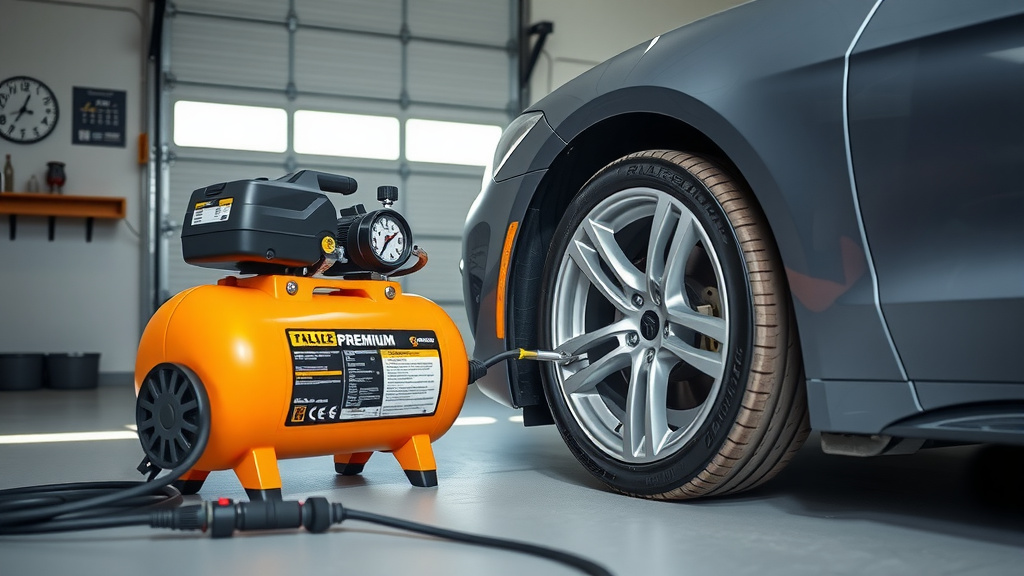
To air up tires with a compressor, first, connect the compressor hose to the tire valve stem, ensuring a tight seal.
Then, turn on your compressor and monitor the tire pressure gauge until you reach the recommended PSI for your vehicle.
Here’s a quick overview of how to get your tires perfectly pressurized:
- Gather your tools: an air compressor, tire pressure gauge, and your vehicle’s recommended PSI.
- Locate the valve stem cap on your tire and remove it.
- Securely attach the compressor’s air chuck to the tire valve stem.
- Activate the compressor and fill the tire in short bursts, checking the pressure often.
- Once the correct PSI is met, remove the chuck, replace the valve cap, and you’re good to go!
How To Air Up Tires With Compressor?
To air up your tires with a compressor, simply attach the nozzle to your tire valve and fill until the correct pressure is reached.
It’s a straightforward process that keeps your vehicle safe and efficient on the road.
Why Correct Tire Pressure Matters So Much
Keeping your tires at the right pressure isn’t just a suggestion; it’s a safety must-have. Proper inflation helps your car handle better, stops quicker, and uses less fuel.
Underinflated tires can heat up, wear out faster, and even lead to a blowout, which nobody wants. Research shows properly inflated tires can improve fuel economy by up to 3% (Department of Energy).
Essential Tools You’ll Need
Before you start, gather a few items. You will need your air compressor, a good quality tire pressure gauge, and a towel or rag.
Having everything ready makes the job quicker and much smoother. Don’t forget your vehicle’s manual for specific PSI recommendations.
Choosing the Right Compressor
Compressors come in various sizes, from small portable models to larger shop units. For home use, a portable 12V or small electric compressor is often enough.
Make sure your compressor has a reliable gauge or that you have a separate, accurate gauge. Many experts say a separate gauge offers better accuracy than built-in ones.
Finding Your Car’s Recommended Tire Pressure (PSI)
Where do you find this magic number? It’s almost never on the tire itself! Look for a sticker on your driver’s side doorjamb or inside your glove compartment.
Your vehicle’s manual will also list the recommended PSI for cold tires. Always check when tires are cold for the most accurate reading.
Step-by-Step Guide to Airing Up Tires
Ready to get started? We’ll walk through each step to ensure your tires are perfectly inflated.
This process is easy once you get the hang of it, and it will save you trips to the gas station.
Step 1: Park Safely and Prepare
First, park your vehicle on a flat, level surface away from traffic. Turn off the engine and engage the parking brake.
This ensures your safety and keeps the car from rolling. Remove the valve stem caps from all your tires; keep them handy so you don’t lose them.
Step 2: Connect the Air Chuck
Take your compressor’s air chuck (the nozzle) and firmly press it onto the tire’s valve stem. You should hear a slight hiss of air, which means it’s seating correctly.
Make sure it’s snug and not leaking too much air. A good connection prevents air loss and ensures efficient filling.
Step 3: Turn On the Compressor and Fill
Now, turn on your air compressor. Watch your tire pressure gauge carefully. Add air in short bursts, maybe 5-10 seconds at a time.
Then, stop, turn off the compressor, and check the pressure with your separate gauge. It’s better to add air slowly and check often to avoid overfilling.
Step 4: Check and Adjust Pressure
Use your trusted tire pressure gauge to get a precise reading. If you’ve gone slightly over the recommended PSI, simply press the small pin in the center of the valve stem to release some air.
Go slowly here, as a little press can release a lot of air quickly. Aim for the exact PSI recommended by your vehicle’s manufacturer.
Step 5: Repeat for All Tires
Don’t forget the spare tire! Many experts recommend checking its pressure too, especially if it’s a full-size spare. Repeat the process for all four main tires and your spare.
Once finished, remember to replace all the valve stem caps. These caps keep dirt and moisture out of the valve, protecting it from damage.
Common Mistakes to Avoid
Even a simple task can have pitfalls. Be aware of these common errors to ensure a smooth process.
Avoiding these will make your tire maintenance safer and more effective.
- Don’t rely solely on the compressor’s built-in gauge: These can sometimes be inaccurate.
- Don’t overinflate: Too much air is just as bad as too little and can be dangerous.
- Don’t forget the spare: It needs love too, especially when you need it most.
- Don’t check hot tires: Air expands with heat, giving you a false reading.
Safety First: Important Precautions
Your safety is always the priority. Taking a few simple precautions makes all the difference.
Always work in a well-lit area and pay attention to your surroundings.
| Safety Tip | Why It Matters |
|---|---|
| Wear eye protection. | Protects from dust or debris when connecting/disconnecting. |
| Avoid over-pressurizing. | Overinflated tires can burst unexpectedly. |
| Check hose for damage. | A damaged hose can leak or snap under pressure. |
| Keep kids/pets away. | Compressors can be noisy and the process has moving parts. |
When to Seek Professional Help
Sometimes, a tire simply won’t hold air, or you might find a nail. If you notice a rapid loss of pressure or hear a continuous hiss, it’s best to consult a professional.
A persistent problem could indicate a puncture or a faulty valve stem, issues best handled by a tire shop for your driving safety.
Benefits of Maintaining Proper Tire Pressure
Keeping your tires correctly inflated offers many advantages beyond just safety. It’s a simple habit with big returns.
You’ll notice improvements in several areas of your vehicle’s performance and longevity.
Improved Fuel Efficiency
When tires are underinflated, more of the tire surface touches the road. This creates more rolling resistance, making your engine work harder.
Properly inflated tires roll more easily, leading to better gas mileage and less money spent at the pump (Automotive research indicates).
Extended Tire Lifespan
Incorrect tire pressure, especially underinflation, causes uneven wear. The edges of an underinflated tire will wear faster than the center.
This means you’ll need to replace your tires sooner, costing you more in the long run. Keeping them just right ensures even wear and a longer life for your tires.
Enhanced Driving Safety and Performance
Correct tire pressure is fundamental to your vehicle’s handling. It impacts braking distance, steering responsiveness, and overall stability.
You’ll experience a smoother ride and more control over your vehicle, which is vital for safe driving. It gives you peace of mind on every journey.
Conclusion
Airing up your tires with a compressor is a vital skill for every vehicle owner. It’s a straightforward task that directly impacts your safety, wallet, and driving experience.
By following these simple steps and keeping safety in mind, you can confidently maintain your vehicle’s tires. Regular checks ensure your car stays in top condition, ready for any adventure.
Frequently Asked Questions
How often should I check my tire pressure?
It’s generally recommended to check your tire pressure at least once a month and before long trips. Temperature changes can also affect pressure, so a quick check during season shifts is wise.
Can I use a bike pump to air up car tires?
While a bike pump can technically add air, it’s very inefficient for car tires due to their much larger volume. It would take a long time and a lot of effort; an air compressor is far more suitable and practical.
What does “cold tire” pressure mean?
“Cold tire” pressure refers to the tire pressure before a vehicle has been driven or after it has been sitting for at least three hours. Driving heats up the tires, causing the air inside to expand and give a higher reading.
Is it better to slightly overinflate or underinflate tires?
Neither is ideal. Underinflation causes excessive heat and wear, while overinflation can lead to a harsher ride, reduced traction, and make tires more susceptible to damage from road hazards. Aim for the manufacturer’s recommended PSI.
What if my tires lose air quickly after filling them?
If your tires lose air rapidly after filling, it’s a strong indicator of a leak. This could be a puncture from a nail, a faulty valve stem, or a leak where the tire bead meets the rim. Get it inspected by a professional immediately for your safety.
