
How To Assemble Air Compressor Accessories?
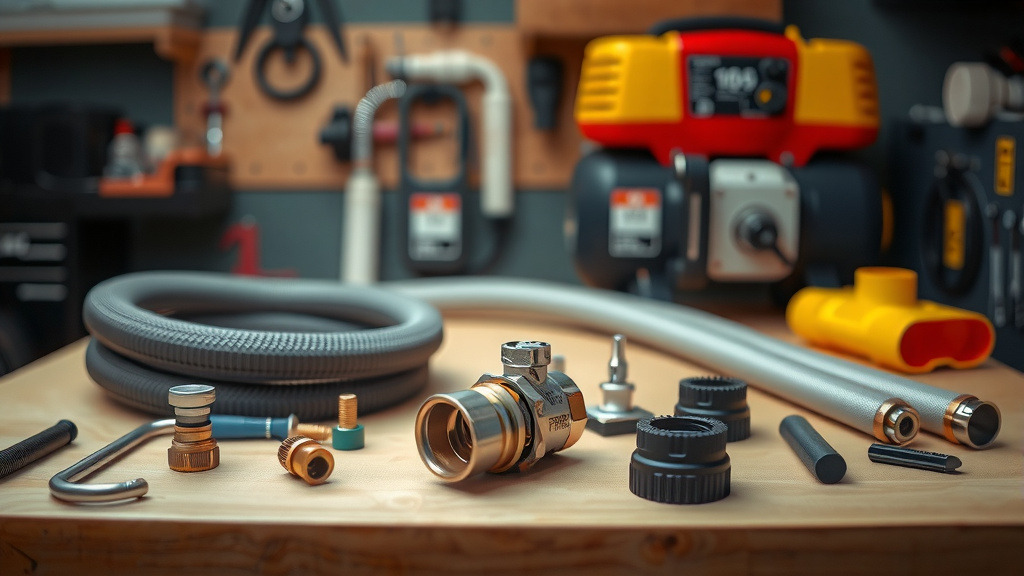
To assemble air compressor accessories, you typically need to attach hoses using threaded NPT fittings or quick-connect couplers, ensuring each connection is tight and sealed with Teflon tape when appropriate.
Start by gathering your tools, inspecting all components, and always prioritize safety before making any air compressor accessory connections.
- Get started by understanding your compressor’s fittings and the accessories you have.
- Always begin with a strong focus on safety precautions to prevent accidents.
- You will often connect hoses using either threaded NPT fittings or simple quick-connect couplers.
- Ensure all threaded connections are sealed properly with Teflon tape for an airtight fit.
- Finish by carefully checking for any air leaks using a soapy water solution after assembly.
How To Assemble Air Compressor Accessories?
Assembling air compressor accessories involves connecting various tools and hoses to your compressor, turning it into a versatile power source. You’ll find it’s a straightforward process once you understand the different connection types.
This guide will walk you through each step, helping you get your air compressor system up and running safely and efficiently. We aim to make this task simple for you.
Safety First: Your Essential Prep Steps
Before you even think about attaching anything, safety is paramount. You are working with high-pressure air, so it’s wise to take precautions. Always ensure your compressor is unplugged and fully depressurized before starting any work.
We found that many experts recommend wearing safety glasses and gloves to protect yourself from potential hazards (OSHA). Never rush this initial safety check.
Gathering Your Tools and Gear
What do you need? A few basic tools will make assembly much smoother. You’ll often need an adjustable wrench or pliers for tightening fittings.
Also, have some Teflon tape (pipe thread sealant tape) on hand. This small roll of tape is your best friend for creating airtight connections on threaded fittings.
Here’s a quick checklist before you begin:
-
Unplugged Compressor: Is it completely off and unplugged from power?
-
Depressurized Tank: Have you opened the drain valve to release all air pressure?
-
Safety Gear Ready: Are your safety glasses and gloves within reach?
-
Tools Assembled: Do you have wrenches, pliers, and Teflon tape handy?
-
Clean Work Area: Is your workspace clear of clutter and obstacles?
Understanding Air Compressor Connections
Air compressors mainly use two types of connections: threaded NPT fittings and quick-connect couplers. Knowing the difference helps you choose the right method for each accessory.
Both types have their advantages, and you will likely use a mix of them depending on your tools. Let’s look closer at each type now.
Threaded Connections (NPT): The Basics
NPT stands for National Pipe Taper, and these fittings are designed to create a tight seal when threaded together. You’ll recognize them by their tapered threads that get tighter as you screw them in.
For these connections, always apply Teflon tape. Wrap it clockwise around the male threads 2-3 times to ensure a leak-free seal (we found this crucial for preventing air loss).
Quick-Connect Couplers: Easy On, Easy Off
Quick-connect couplers are incredibly convenient for tools you swap out frequently. They allow you to attach and detach accessories with a simple pull of a collar, much like a seatbelt buckle for your air tools.
These typically don’t require Teflon tape directly on the quick-connect mechanism, as their internal seals handle the job. However, if the coupler itself threads onto a hose or tool, you’ll still need tape for that initial threaded connection.
Assembling Your Air Hose
Your air hose is the lifeline for your air tools. Assembling it correctly ensures a steady flow of air. You will usually start by connecting the hose to the compressor.
Next, you will add the necessary fittings to the other end of the hose for your tools. This setup ensures you have a flexible and functional system.
Connecting the Hose to Your Compressor
First, identify the air outlet on your compressor. This is where your main air hose will connect. Often, it’s a threaded port.
Apply Teflon tape to the male threads of your hose fitting. Then, carefully screw the hose fitting into the compressor outlet, tightening it with your wrench until it’s snug and secure but avoid overtightening.
Adding Fittings to Your Air Hose Ends
The other end of your air hose will need a coupler or a specific tool fitting. If you want to use various tools, a quick-connect coupler is your best choice here.
Again, use Teflon tape on the threaded part of the coupler or fitting before attaching it to the hose end. Tighten firmly, making sure everything feels solid and connected.
Installing Air Tools and Attachments
Once your hose is ready, attaching your air tools is the fun part. This is where you bring your compressor to life. You’ll connect items like blow guns, tire inflators, and paint sprayers.
Always ensure the tool’s fitting matches the coupler on your hose. A mismatched connection simply won’t work properly, and it could even be unsafe.
Connecting Blow Guns and Tire Inflators
Most blow guns and tire inflators come with a male quick-connect plug. Simply pull back the collar on your hose’s quick-connect coupler, insert the tool’s plug, and release the collar. You should hear a satisfying click.
Give the tool a gentle tug to confirm it’s locked in place. If it pulls out, it wasn’t connected correctly. We found that a secure click is a reliable indicator.
Regulators and Filters: Why They Matter
Regulators control the air pressure delivered to your tools, protecting them from excessive force. Filters, on the other hand, remove moisture and debris, keeping your tools clean and extending their life. Many experts say these are essential additions (Power Tool Institute).
You’ll typically install regulators and filters inline, usually close to the compressor or directly before a tool that needs clean, consistent air. Remember to use Teflon tape on all threaded connections for these components too.
Checking for Leaks: The Soapy Water Test
After assembling everything, the most critical step is checking for air leaks. Even a small leak can cause your compressor to run more often, wasting energy and potentially shortening its lifespan.
To do this, simply mix some dish soap with water in a spray bottle. With the compressor pressurized, spray the solution onto all your connections. Look for any bubbling activity.
| Connection Type | Teflon Tape Needed? | Key Benefit |
|---|---|---|
| Threaded (NPT) | Yes (on male threads) | Very secure, airtight seal |
| Quick-Connect | No (on coupler mechanism) | Fast tool changes |
Maintenance After Assembly: Keeping Things Running
Your air compressor system is only as good as its maintenance. Regularly inspect your hoses for cracks or wear, and check fittings for any looseness. A little attention goes a long way here.
Periodically drain the moisture from your compressor tank to prevent rust. This simple act can greatly extend the life of your equipment and accessories (Consumer Reports).
Conclusion
Assembling air compressor accessories is a foundational skill for anyone using these powerful tools. By prioritizing safety, understanding connection types, and performing a quick leak check, you can ensure your setup is both effective and secure.
Remember that careful assembly leads to a more efficient and longer-lasting system. You’ve got this, and your efforts will result in a reliable air power station for all your projects.
How do I know which air hose size I need?
The right air hose size depends on your tools and the distance from the compressor. Generally, smaller tools (like blow guns) can use 1/4-inch hoses, while larger tools (like impact wrenches) need 3/8-inch or even 1/2-inch hoses for optimal airflow. A longer hose may also require a larger diameter to prevent pressure drop.
Can I use Teflon tape on quick-connect fittings?
You should not use Teflon tape on the actual quick-connect mechanism itself, as it relies on internal O-rings for sealing. However, if the quick-connect fitting has a threaded end that screws into another component (like your air hose or a tool), then yes, apply Teflon tape to those threads before tightening.
What is the most common reason for air leaks after assembly?
The most common reason for air leaks after assembly is improperly sealed threaded connections. Forgetting Teflon tape, not wrapping it correctly, or not tightening fittings enough are frequent culprits. Sometimes, overtightening can also strip threads or crack fittings, leading to leaks.
How often should I check my air compressor accessories for wear?
You should visually inspect your air compressor accessories, especially hoses and fittings, before each use or at least once a month if used frequently. Look for cracks, abrasions, loose connections, or any signs of damage. This proactive approach helps prevent unexpected failures and ensures safe operation.
Is it okay to mix different brands of quick-connect fittings?
While many quick-connect fittings are designed to be interchangeable, there can be slight variations between brands and types (e.g., industrial, automotive, ARO). It’s generally best practice to use fittings of the same brand or at least ensure they are compatible types to guarantee a secure and leak-free connection. Mismatched fittings can lead to air leaks or even sudden disconnections.
