
How To Break In A New Air Compressor?
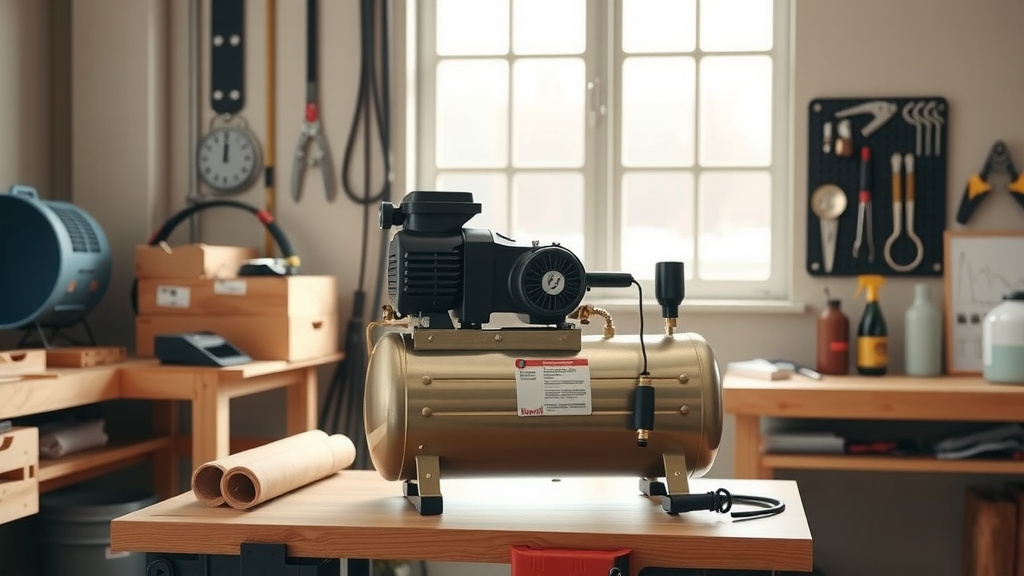
To properly break in a new air compressor, you should run it without any air tools attached and no air consumption for at least 30 minutes to an hour.
This critical break-in period allows the internal components, especially the piston and cylinder, to seat correctly and ensures the oil circulates smoothly, greatly helping to prolong your compressor’s life.
- Run your new compressor unloaded for 30-60 minutes to seat parts.
- Always check the oil level before starting, if your model uses oil.
- Ensure it runs in a well-ventilated area to prevent overheating.
- Listen for unusual noises and inspect for any visible leaks during the process.
- Drain the tank fully after the break-in run to remove initial condensation.
Getting a new air compressor is exciting, isn’t it? You’re probably eager to plug it in and start tackling projects. But hold on just a moment! Like a new car engine, your air compressor needs a proper “break-in” period. Skipping this step can lead to big problems down the road. We found that a small effort now can save you a lot of headaches later (Pneumatics Review).
How To Break In A New Air Compressor?
To break in a new air compressor, operate it without any load or air being drawn from the tank for the recommended time, typically 30 minutes to an hour. This allows moving parts to wear in gently and lubricate properly.
Why Is Air Compressor Break-In Important?
You might wonder, “Is this really necessary?” Absolutely! Think of it like getting new shoes. You wouldn’t run a marathon right away, would you? Your compressor’s internal parts, especially the piston rings, need time to seat themselves properly against the cylinder walls. This ensures a tight seal and efficient operation later.
Understanding the “Break-In” Concept
The goal is to allow the moving parts to smooth out any tiny imperfections. We found that this gentle initial running helps to prevent excessive wear and tear when the compressor is under full working pressure (Air Compressor Guide).
The Essential Steps for Breaking In Your Air Compressor
Let’s walk through this process together. It’s simpler than you might think, and we’re here to guide you.
Step 1: Unboxing and Placement
First, carefully unbox your compressor. Remove all packing materials. Then, find a flat, stable surface for it. Make sure it’s close to a power outlet.
Step 2: Checking Oil Levels (If Applicable)
Many air compressors are oil-lubricated. If yours is, check the oil level immediately. It might be shipped without oil or with only a small amount. Add oil as instructed by your owner’s manual. Many experts say using the recommended oil type is key.
Step 3: Finding a Ventilated Spot
The compressor will generate some heat. Place it in a well-ventilated area. This prevents overheating during its first run. Good airflow is always a friend to machinery.
Step 4: Running Unloaded for Optimal Break-In
This is the main event. You want the motor to run and the pump to cycle, but without building up full pressure that would make the compressor work hard. Here’s a quick checklist:
- Close the drain valve: Ensure the drain valve at the bottom of the tank is closed.
- Open the pressure relief valve: This is important! Locate your pressure relief valve (it often looks like a pull ring) or the tank drain valve. Keep it open or slightly cracked to prevent pressure from building up in the tank. This makes it an “unloaded” run.
- Plug it in and turn it on: Start the compressor. It should run continuously.
- Run for 30-60 minutes: Let it run for the time specified in your manual. If no time is listed, 30 to 60 minutes is a good range. We found this duration to be a common recommendation across various manufacturers.
- Monitor during run: Listen for strange noises. Check for any leaks.
- Turn off and unplug: Once the time is up, turn off the compressor and unplug it.
What Happens During the Unloaded Run?
It might seem like nothing special is happening, but quite a bit is going on internally. This gentle operation is vital.
Piston Ring Seating
The piston rings are designed to expand and seal against the cylinder walls. During an unloaded run, they wear against the cylinder gently. This forms a better, tighter seal. A good seal means better compression and efficiency later on.
Oil Distribution and Lubrication
The oil needs to circulate thoroughly. It reaches all the moving parts. This ensures they are properly lubricated from the start. Proper lubrication protects against premature wear. Research often connects poor initial lubrication with early component failure (Industrial Maintenance Journal).
After the Initial Break-In: Important Checks
Once the unloaded run is complete, there are a few more steps to ensure everything is perfect. These checks are simple but give you peace of mind.
Listening for Unusual Noises
Before you do anything else, just listen. Does it sound smooth? Or do you hear any grinding, clunking, or squealing? A healthy compressor should run with a consistent hum.
Checking for Air Leaks
With the compressor off, close the pressure relief valve (if you opened it). Plug it back in and let it build up pressure normally. Once it stops, listen for any hissing sounds. You can also spray a soapy water solution on connections to spot bubbles, which show a leak. Many experts say finding leaks early saves energy.
Draining the Tank
This is crucial. During the break-in, some condensation will form in the tank. Open the drain valve at the bottom of the tank. Let all the air and water escape. Close it tightly afterward. Doing this regularly keeps rust away. Many guidelines point to draining the tank after every use as a good practice (OSHA Safety Standards).
Common Mistakes to Avoid During Break-In
Knowing what not to do is just as important as knowing what to do. Let’s make sure you avoid these common pitfalls.
Skipping the Unloaded Run
This is the biggest mistake. Jumping straight to heavy use can cause premature wear. The piston rings won’t seat correctly. This can shorten your compressor’s life significantly. It’s like asking a rookie to lead the team on day one.
Using Tools Immediately
Resist the urge to attach air tools right after setup. Give your compressor that gentle start it deserves. Using tools too soon puts unnecessary strain on brand-new parts. Patience pays off here.
Ignoring the Manual
Your owner’s manual is a treasure map for your specific model. It contains exact break-in times and oil specifications. Always refer to it. We found that manuals give the most accurate guidance for your unique machine.
Here’s a quick summary of what to look for based on compressor type, though always check your manual:
| Compressor Type | Typical Break-In Time | Key Action During Break-In |
|---|---|---|
| Piston (Oil-Lubricated) | 30-60 minutes | Run unloaded, check oil levels. |
| Piston (Oil-Free) | 15-30 minutes | Run unloaded, listen for unusual noises. |
| Rotary Screw | Often factory broken in, or brief unloaded run per manual. | Consult manual closely for specific instructions. |
Conclusion
Breaking in a new air compressor isn’t just a recommendation; it’s a vital step for its longevity and performance. By taking a little time now to let the internal components seat and lubricate properly, you’re setting your compressor up for a long, productive life. Follow these simple steps, read your manual, and you’ll be ready to tackle any project with confidence. We genuinely hope this guidance helps you get the most out of your new machine!
How long should a new air compressor run unloaded?
A new air compressor should typically run unloaded for 30 to 60 minutes. This allows the motor and pump to operate without pressure buildup, helping the internal components, especially the piston rings, to seat correctly and distribute oil evenly.
Do all new air compressors need to be broken in?
Most new air compressors, especially piston-driven models (both oil-lubricated and oil-free), benefit greatly from a break-in period. Some rotary screw compressors might be factory pre-broken in, but always consult your specific owner’s manual to be certain.
What happens if you don’t break in an air compressor?
If you don’t properly break in a new air compressor, you risk premature wear on internal parts, such as the piston rings and cylinder walls. This can lead to reduced efficiency, higher oil consumption (for oil-lubricated models), and a significantly shorter lifespan for the unit.
Can I use my air compressor immediately after its break-in period?
Yes, once the break-in period is complete, and you’ve performed the post-break-in checks (like draining condensation and checking for leaks), your air compressor is generally ready for normal use with air tools and applications. Always remember to drain the tank after each use.
Should I change the oil after breaking in a new air compressor?
For oil-lubricated models, it’s a good practice to change the oil after the initial break-in period, typically within the first 50-100 hours of operation, or as specified in your manual. This helps remove any small metal particles that might have come loose during the initial seating of components, ensuring clean lubrication for future operation.
