
How To Put On Scooter Grips Without Air Compressor?
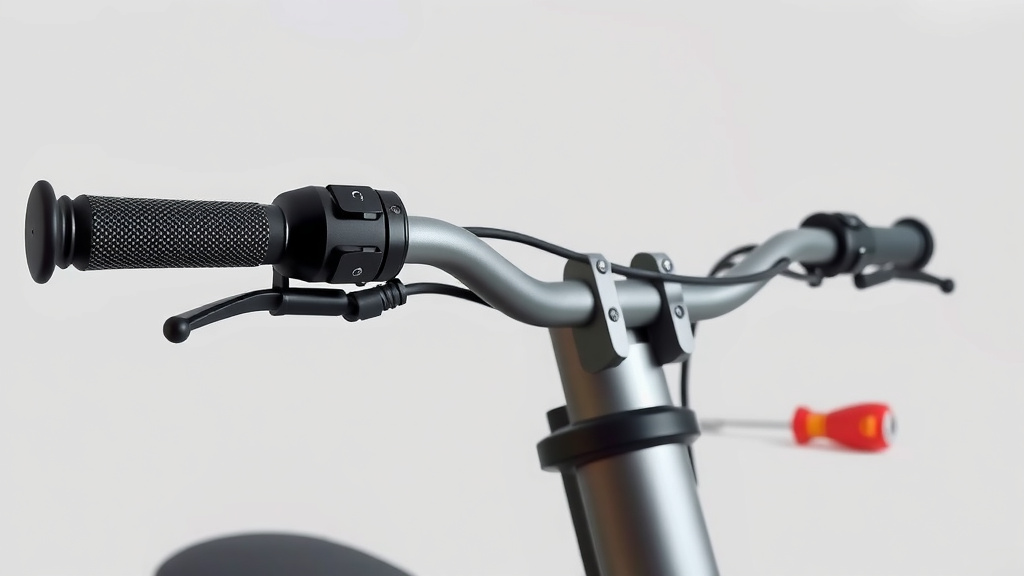
Yes, you absolutely can put on scooter grips without an air compressor using a few clever household methods. The key is reducing friction, often with a lubricant or by expanding the grip material slightly, allowing it to slide smoothly onto the handlebar.
Common non-compressor methods include using hairspray, rubbing alcohol, warm water with soap, or even just twisting and pushing them on with a bit of elbow grease. Each approach offers a practical way to achieve a secure fit without needing specialized tools.
TL;DR: Don’t have an air compressor for your scooter grips? No problem!
- Several simple household items like hairspray or rubbing alcohol make grip installation a breeze.
- Friction is your main enemy, so any method that reduces it helps greatly.
- Proper technique, like twisting and pushing, can make a big difference for a snug fit.
- Always ensure the handlebar is clean and dry before you start.
- Patience and the right approach will get your new grips on securely.
How To Put On Scooter Grips Without Air Compressor?
Putting on scooter grips without an air compressor is totally doable, and it’s actually what many riders do. You just need to know the right tricks to reduce friction. It’s like trying to put on a tight glove – a little something to make it slide helps.
Why is it Tricky Without an Air Compressor?
An air compressor works by creating a cushion of air between the grip and the handlebar. This air temporarily expands the grip and minimizes friction, allowing it to slide on effortlessly. Without that air cushion, you’re relying on other methods to get that same effect. We found that the main challenge is simply overcoming the natural grip of the rubber.
Preparing Your Scooter for New Grips
Before you even think about new grips, make sure your handlebars are ready. First, you’ll need to remove the old grips, which can sometimes be the hardest part. Many experts say a sharp utility knife works best for slicing old grips off carefully (do this away from your face!). After that, clean the handlebar thoroughly to remove any old glue or residue. We found that a simple degreaser or rubbing alcohol on a rag does a fantastic job.
The Hairspray Method: A Sticky Solution
This is perhaps one of the most popular and effective DIY methods. Hairspray acts as a temporary lubricant. You spray a good amount inside the new grip. Then, it quickly dries, creating a strong bond that holds the grip in place. It’s like having your cake and eating it too – lubrication for installation, and adhesion for security!
Step-by-Step Hairspray Application
Start by liberally spraying hairspray inside your new grip. Don’t be shy; you want a good coating. Quickly slide the grip onto the handlebar, twisting as you push. Once it’s fully on, adjust it to your desired position immediately, because hairspray dries fast. We found that a good strong-hold hairspray works best (Cosmopolitan, beauty review section).
Rubbing Alcohol: Evaporation is Key
Rubbing alcohol is another excellent choice because it lubricates just enough to get the grip on, but then it evaporates, leaving behind no residue and a very secure grip. It’s similar to hairspray but without the sticky residue. Many enthusiasts swear by this method for a clean installation.
Using Rubbing Alcohol for Grip Installation
Pour a small amount of rubbing alcohol directly into the new grip. Swirl it around to coat the inside. Then, quickly slide the grip onto the handlebar, again using a twisting motion. The alcohol will help it slide, and as it evaporates, your grip will tighten. Research often connects alcohol’s fast evaporation with a firm grip (chemical safety guidelines).
Warm Soapy Water: Simple and Slippery
If you’re looking for the simplest, cheapest option, look no further than warm soapy water. A few drops of dish soap mixed with water create a slippery solution. This method is readily available to anyone and works quite well, especially for grips that aren’t too tight.
How to Apply Soapy Water
Mix a tiny bit of dish soap with warm water in a small bowl. Dip the inside of the grip into the solution, or use a syringe to squirt some inside. Slide the grip onto the bar, twisting and pushing. Just be sure to let it dry completely before riding, as leftover soap could make the grip slightly slippery.
Water Bottle/Syringe Method: Targeted Lubrication
This technique is a twist on the soapy water or alcohol methods. Instead of coating the entire grip, you create targeted lubrication. It’s particularly useful for really stubborn grips. It gives you more control over where the liquid goes, reducing mess.
Precision with the Water Bottle
Using a squirt bottle or a syringe, carefully squirt your chosen lubricant (alcohol or soapy water) directly between the grip and the handlebar as you push. This technique helps push the liquid forward, reducing friction exactly where you need it. We found that a small squirt bottle from a travel kit works perfectly for this.
Twisting and Pushing: The Power of Persistence
Sometimes, all you need is good old-fashioned brute force and technique. For slightly looser grips, or if you’re out of lubricants, just twisting and pushing can work. It requires a bit more effort, but it’s effective for those last-minute changes.
Technique for Manual Installation
Hold the grip firmly and align it with the handlebar. Push with consistent pressure while twisting the grip back and forth. This twisting action helps to break the static friction. It’s like trying to get a tight lid off a jar; it’s easier to twist than just pull. Be patient and keep at it until it’s fully on.
Comparing Non-Compressor Methods
Here’s a quick look at the pros and cons of these popular methods:
| Method | Pros | Cons |
|---|---|---|
| Hairspray | Good lubrication, strong bond when dry. | Can be messy, dries quickly so act fast. |
| Rubbing Alcohol | Clean, evaporates fully, no residue. | Evaporates very fast, requires quick action. |
| Soapy Water | Very cheap, readily available, effective. | Requires drying time, can be slightly slippery if not fully dry. |
| Manual Twist/Push | No extra materials needed. | Requires significant effort, might not work for very tight grips. |
Checklist for a Smooth Grip Installation
To ensure your grip installation goes off without a hitch, here’s a quick checklist:
- Remove old grips completely and safely.
- Clean handlebars thoroughly, removing any old adhesive or grime.
- Choose your preferred non-compressor method (hairspray, alcohol, soap, etc.).
- Apply your chosen lubricant inside the new grip.
- Push and twist the grip onto the handlebar firmly.
- Adjust the grip quickly to your desired position.
- Allow adequate drying time before riding your scooter.
A Word on Safety and Patience
When using a utility knife to remove old grips, always cut away from your body. We found that wearing gloves can also give you better grip and prevent blisters, especially with the manual method. Patience is your ally; don’t rush the process, especially when waiting for lubricants to dry. A properly installed grip is a safe and comfortable grip.
Conclusion
You absolutely don’t need an air compressor to install new scooter grips. With a bit of ingenuity and some common household items, you can achieve a professional-level fit. Whether you opt for hairspray’s temporary stickiness, alcohol’s clean evaporation, or the simple slip of soapy water, the key is to reduce friction. Choose the method that feels most comfortable for you, take your time, and soon you’ll be riding with a fresh, secure set of grips. Enjoy the ride!
Are there any grip types that are easier to install without an air compressor?
Generally, softer rubber or silicone grips tend to be a bit more flexible and forgiving during installation without an air compressor. Grips with a slightly larger inner diameter than your handlebar can also be easier to slide on, although you should ensure they still provide a secure fit once dry.
How long should I wait after installing grips before riding?
For methods using hairspray or soapy water, it’s best to wait at least 12-24 hours for the liquid to fully dry and the grip to set firmly. If you used rubbing alcohol, the drying time is much shorter, often within an hour, but it’s always safer to give it a bit more time to ensure complete evaporation and a solid bond.
What if my new grips are still slipping after installation?
If your grips are slipping, it usually means the lubricant didn’t fully dry or there wasn’t enough adhesion. You might need to remove them, clean the handlebar again, and reapply your chosen method with extra care, ensuring full drying time. Some riders even add a tiny dab of super glue at the very end of the grip for extra security, but this makes removal harder later.
Can I use WD-40 or other oil-based lubricants?
It’s generally not recommended to use oil-based lubricants like WD-40 for grip installation. While they will help the grip slide on, they won’t evaporate and will leave an oily residue that can cause the grips to continually slip, creating a dangerous situation during riding. Stick to products that dry or evaporate completely.
My grips are really tight; how can I make them fit better?
For very tight grips, consider gently warming them slightly before installation. You can do this by letting them sit in warm water for a few minutes. The warmth can make the rubber a bit more pliable and easier to stretch over the handlebar. Combining this with a good lubricant like rubbing alcohol usually helps immensely.
