
How To Remove A Golf Grip With An Air Compressor?
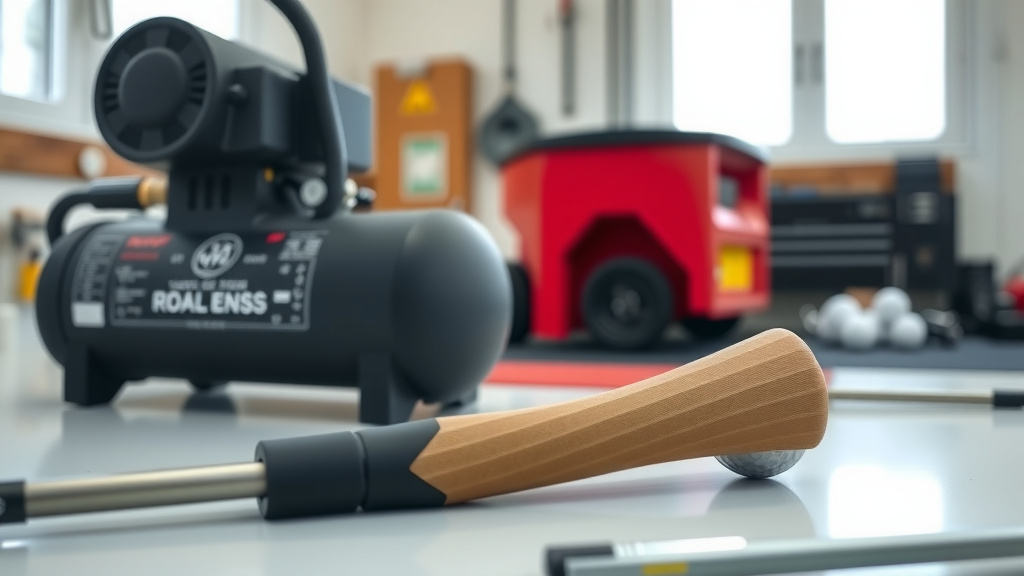
You can quickly remove a golf grip using an air compressor by inserting an air nozzle under the grip’s lip and applying short bursts of compressed air. This air creates a cushion, allowing the grip to slide off the shaft with minimal effort.
This method for how to remove a golf grip with an air compressor is efficient and preserves the grip for reuse if desired, making it a favorite among many golfers.
Here’s a quick overview of what you’ll discover in this guide:
- Learn the simplest, cleanest way to remove old golf grips using air.
- Find out exactly what tools you need to get the job done right.
- Discover step-by-step instructions for a smooth grip removal process.
- Understand the benefits of using an air compressor over traditional methods.
- Get tips for handling stubborn grips and safely prepping your club for a new grip.
How To Remove A Golf Grip With An Air Compressor?
Removing a golf grip with an air compressor involves carefully blowing air between the grip and the shaft. This creates a cushion of air, reducing friction and allowing the grip to slide right off.
It’s a surprisingly simple and clean process once you understand the technique, and it often preserves your old grip for another use.
Why Use Air for Grip Removal?
You might be wondering why anyone would choose an air compressor over cutting off an old grip. Well, we found several compelling reasons.
Firstly, it’s much cleaner than using solvents, which can leave a sticky residue. Secondly, it’s incredibly fast, saving you time and effort.
Many golf professionals and enthusiasts recommend this method because it’s non-destructive. This means you can save the old grip if you want to reuse it on another club or keep it as a backup.
The Tools You’ll Need
Before you get started, let’s gather our essential gear. You won’t need much, which is part of the appeal of this method.
Here’s a quick checklist to ensure you’re fully prepared:
- An air compressor (duh!)
- An air nozzle with a rubber tip or blowgun
- Your golf club with the grip you want to remove
- A vice with rubber clamps (optional, but helpful for stability)
- Safety glasses
Having these items ready will make the process smooth and efficient, allowing you to focus on the task at hand.
Preparing Your Workstation
Setting up your space properly is key for a hassle-free experience. A clear, well-lit area makes a big difference.
If you have a workbench, that’s ideal. Otherwise, any sturdy surface will do. Many experts say a good setup prevents frustration.
Safety First, Always
Working with compressed air requires a little caution. You’ll want to protect your eyes, as air can stir up dust or debris.
Always wear safety glasses. Also, be mindful of the noise; air compressors can be loud, so ear protection is a good idea if you’ll be using it for extended periods.
Step-by-Step: Air Compressor Grip Removal
Ready to get that grip off? It’s easier than you might think. Just follow these steps, and you’ll be a pro in no time.
We’ll walk through each part, ensuring you feel confident as you go.
Positioning Your Club
First, secure your golf club. If you have a vice with rubber clamps, gently clamp the shaft just below the grip.
This keeps the club steady. If not, you can simply hold the club firmly with one hand while you work, but stability helps greatly.
Applying Air Pressure
Now for the fun part! Take your air nozzle and carefully wedge the rubber tip under the lip of the grip.
You want to create a small opening where the air can enter. Don’t force it too much, just enough to get the nozzle in a bit.
The Wiggling Technique
With the nozzle in place, give the air compressor a quick, short burst of air. As you do, you should feel the grip loosen.
Gently wiggle and twist the grip with your free hand. You’ll find that the air pressure helps it slide off quite easily.
Repeat with short bursts and wiggling. It’s like magic; the grip just floats off the shaft. This method is incredibly satisfying to watch.
When Grips Don’t Budge Easily
Sometimes, a grip might be a little stubborn. Maybe it’s an old one, or it was installed with a lot of tape and solvent.
Don’t fret! There are a couple of tricks you can try if your grip isn’t cooperating right away. Patience is your best friend here.
A Little Extra Help
If the grip is really stuck, try rotating the grip a quarter turn after each burst of air and wiggling. This helps distribute the air pressure around the entire shaft.
You can also try applying a little more air pressure, but do so incrementally. We found that too much pressure too fast can sometimes damage a very old or brittle grip. Most grips will come off with moderate pressure.
Advantages of Air Compressor Method
Why choose this method over traditional cutting or solvents? The benefits are quite clear, especially for home regrippers.
It’s about making your life easier and your regripping experience better. Let’s look at some key advantages.
Quicker and Cleaner
This method is incredibly fast. Most grips can be removed in a matter of seconds once you get the hang of it.
There’s also no messy solvent to deal with. This means less cleanup and a more pleasant experience overall.
Less Mess, More Control
Traditional solvent methods can be sticky and smelly. With air, you avoid all that. Your hands and workspace stay clean.
You also have more control over the removal process, reducing the risk of damaging the shaft or your workbench. Many research groups point to the cleanliness factor as a major plus.
Potential Challenges and Solutions
Even with the best methods, you might run into a minor snag. Don’s worry, we’ve got you covered with some quick fixes.
Understanding these small issues upfront helps you handle them confidently if they appear.
What if the Grip is Stuck?
As mentioned, a particularly stubborn grip might need a bit more persuasion. If twisting and wiggling aren’t enough, try gently working the air nozzle deeper under the grip.
Sometimes, the adhesive bond is just very strong at a certain point. Working the nozzle around the circumference can help to break that seal.
Air Compressor Pressure Settings
Most golf grips will come off easily with a modest air pressure, typically around 50-80 PSI (pounds per square inch).
You probably won’t need to crank your compressor up to its maximum setting. Higher pressure doesn’t always mean better results and can sometimes damage older grips.
| Removal Method | Key Benefit | Main Drawback |
|---|---|---|
| Air Compressor | Fast, clean, grip reusable | Requires air compressor |
| Utility Knife | Simple tools, always works | Destroys grip, risk of shaft damage |
| Solvent Injection | Grip potentially reusable | Messy, takes longer |
Regripping After Removal
Once you’ve removed the old grip, you’re halfway to a fresh new feel! But don’t rush to put on the new one just yet.
A little preparation goes a long way in ensuring your new grip lasts and performs well. Many pros emphasize proper shaft prep.
Prepping the Shaft
After the old grip is off, you’ll likely find some old grip tape residue on the shaft. It’s important to remove this completely.
Use a grip tape remover solution or mineral spirits with a rag to clean the shaft. A clean shaft ensures your new grip adheres properly and prevents any lumps under the new grip. We found that leaving old tape can really compromise the new grip’s life.
Installing Your New Grip
Now you’re ready to install your fresh grip! This is typically done using new grip tape and grip solvent.
Make sure to apply the tape smoothly, then generously apply solvent to both the inside of the new grip and the grip tape on the shaft. Then, slide the new grip on quickly and straight. Many guidelines point to generous solvent application as a good first step (PGA.com Regripping Guide).
Conclusion
Removing a golf grip with an air compressor is a game-changer for many golfers. It’s clean, quick, and gives you the option to save your old grips.
By following these simple steps and keeping safety in mind, you can easily maintain your golf clubs at home. You’ll not only save money but also gain a new skill that enhances your golf experience. Now go enjoy your freshly gripped clubs!
How much PSI do I need to remove a golf grip?
You typically need between 50 and 80 PSI (pounds per square inch) from your air compressor to effectively remove a golf grip. Starting at the lower end and increasing gradually usually works best.
Can you reuse golf grips after removing them with an air compressor?
Yes, one of the biggest advantages of using an air compressor is that it allows you to remove golf grips without damaging them. This means you can often reuse the grips if they are still in good condition.
Is using an air compressor messy compared to other grip removal methods?
No, quite the opposite! The air compressor method is one of the cleanest ways to remove golf grips, as it doesn’t involve messy solvents or cutting the grip, which can leave debris.
What if my golf grip won’t come off with the air compressor?
If a grip is particularly stubborn, try rotating the grip a quarter turn after each air burst and wiggling it. You can also try to work the air nozzle deeper around the grip’s circumference to break any strong adhesive bonds.
Do I need any special attachments for my air compressor to remove golf grips?
You will need an air nozzle with a rubber tip or a standard blowgun attachment for your air compressor. The rubber tip helps create a good seal and prevents damage to the grip or shaft.
