
How To Scrap An Air Compressor?
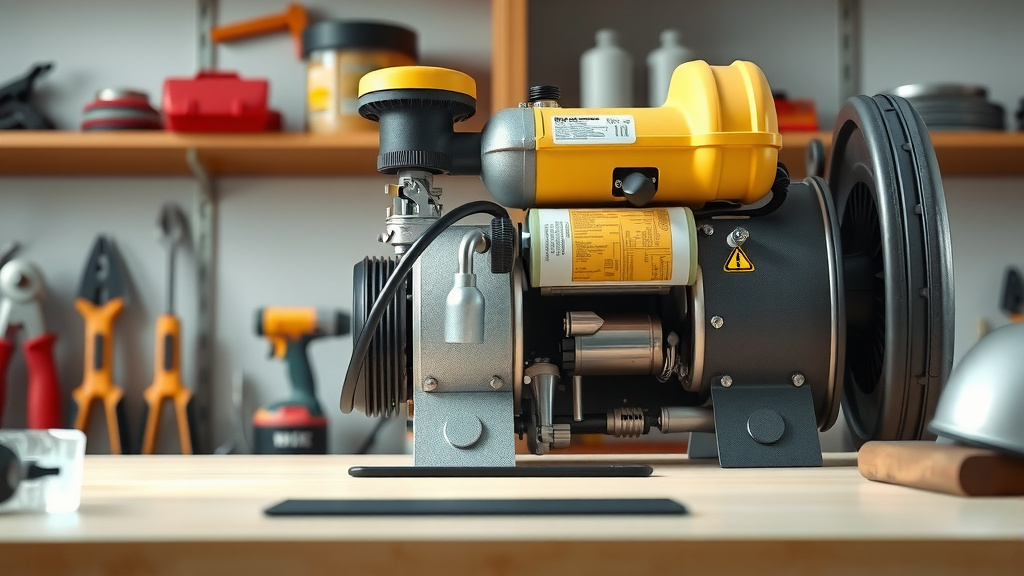
To scrap an air compressor safely, you must first drain all fluids, disconnect its power source, and fully relieve any remaining air pressure.
After ensuring safety, carefully disassemble the unit into components like the motor, pump, and tank, then sort these materials for appropriate recycling or disposal based on your local regulations.
Thinking about retiring your old air compressor? It’s more than just tossing it out. Proper disposal is key for safety and our environment. Here’s a quick overview of what you’ll find in this guide:
- Always prioritize safety: depressurize, disconnect power, and drain fluids first.
- Gather the right tools for a smooth disassembly process.
- Separate different materials like metal, plastic, and fluids for recycling.
- Understand where to take specific components, especially hazardous waste.
- Follow local regulations to ensure you’re scrapping responsibly.
How To Scrap An Air Compressor?
Scrapping an air compressor involves safely dismantling the machine and separating its various materials. This process ensures proper recycling or disposal, protecting both you and the environment from potential hazards.
Getting rid of an old air compressor isn’t as simple as wheeling it to the curb. There are important safety steps and environmental considerations. Let’s walk through the process together, making it easy to understand.
Safety First: Your Top Priority
Before you even think about grabbing a wrench, safety is paramount. An air compressor can store significant pressure and contain hazardous fluids. Always treat it with caution.
Depressurize the Tank
This is perhaps the most critical step. Make absolutely sure there is no stored air pressure in the tank. You can do this by opening the drain valve at the bottom or pulling the safety relief valve until all air escapes.
Listen for the hiss of air. Once it stops, keep the valve open for a few minutes to be absolutely certain. We found that residual pressure can be dangerous (OSHA guidelines).
Disconnect Power
Unplug the compressor from its electrical outlet. If it’s hardwired, you’ll need to turn off the breaker at your electrical panel. Label the breaker if you need to, just to be safe.
Always assume power is present until you’ve double-checked. You don’t want any accidental starts during disassembly.
Drain All Fluids
Many air compressors use oil for lubrication and can collect condensation (water) in the tank. You need to drain both. Place a suitable container under the drain valve and open it.
Compressor oil is often considered hazardous waste. Water drained from the tank can contain rust and contaminants. Handle these fluids with care for proper disposal.
Gathering Your Tools
You’ll need a few basic tools to get the job done efficiently. Think of it like preparing for any home project. What’s in your toolbox?
- Wrenches (adjustable and fixed)
- Screwdrivers (flathead and Phillips)
- Pliers and wire cutters
- Safety glasses and gloves (non-negotiable!)
- Buckets or containers for fluids
- Pry bar (optional, for stubborn parts)
- Hammer (for persuasion, sometimes)
Having the right tools will make the process smoother and safer. It’s like having the right recipe; it just works better.
Step-by-Step Disassembly
Now that safety is covered and your tools are ready, it’s time to take your air compressor apart. Work methodically to separate different materials.
Remove the Motor and Pump
The motor and pump assembly are usually connected by bolts and possibly a belt. Unbolt the motor from its mounting bracket first. Then, disconnect any wiring.
The pump unit often comes off next. These components are typically heavy, so be mindful of your back. Many experts suggest using a second pair of hands for lifting heavy parts.
Detach Electrical Components
This includes pressure switches, gauges, and any wiring harnesses. These parts are often made of plastic, copper, and other mixed materials. Separate them from the main unit.
You’ll often find a junction box where wires are connected. Use your wire cutters here, but remember to be careful. These materials often hold recycling value.
Separate the Tank
The tank is usually the largest and heaviest part. It’s typically made of steel. Once the motor, pump, and all accessories are removed, you’ll be left with just the bare tank.
This is the prime candidate for metal recycling. Most scrap yards will happily take a clean steel tank, but make sure it’s completely empty and clean before transport.
Sorting Your Materials for Recycling
With your compressor in pieces, it’s time to sort everything. This is where you maximize recycling and minimize environmental impact. Think of it as organizing your recyclables at home, but on a larger scale.
Metals
You’ll have a lot of metal. Steel from the tank, cast iron from the pump (sometimes), copper from wiring and motor windings, and aluminum from some components. Separate these types of metals.
Copper wire, even small amounts, can be quite valuable. Strip the plastic insulation off for higher scrap value if you have the time and tools.
Plastics and Rubber
Hoses, covers, and some electrical casings will be plastic or rubber. These are less frequently recycled at general scrap yards. Check with your local waste management facility for specific guidelines.
Sometimes, smaller plastic parts can go into regular household recycling, but larger, mixed plastic items might need special disposal.
Hazardous Waste
Remember that compressor oil and any contaminated water? They need special handling. Do not pour them down the drain or into the ground. This is a big no-no for our planet.
Many municipalities have household hazardous waste collection sites or events. Researching your local options is crucial (EPA guidelines often apply).
Recycling and Disposal Options
So, you have piles of materials. What now? Here’s a general guide on where to take everything.
| Material Type | Recommended Disposal/Recycling |
|---|---|
| Steel Tank & Heavy Metals | Local metal scrap yard or recycling center. |
| Copper (Wires, Motor Windings) | Specialized metal scrap yard (can offer good value). |
| Compressor Oil & Contaminated Water | Household Hazardous Waste (HHW) facility. |
| Plastics & Rubber Parts | Check local municipal recycling rules; some may accept. |
| Electrical Components | E-waste recycling centers, if available. |
Local Scrap Yards
Most scrap yards pay for metal by weight. Be sure to call ahead to confirm they accept the types of metal you have. They’ll appreciate you separating the materials.
A clean, empty steel tank will be welcomed. They don’t want anything with residual oil or pressure. That makes their job easier, and yours.
Household Hazardous Waste Facilities
This is where you’ll take your drained oil and other potentially harmful liquids. These facilities are designed to safely process and dispose of these materials. Many cities have designated drop-off days.
Don’t skip this step! It’s crucial for environmental protection and prevents contamination of water sources. You’re doing your part for the community.
E-Waste Recycling
Some electrical components might fall under e-waste. Check if your area has specific e-waste collection points. They ensure components are broken down and recycled responsibly.
This is becoming more common as our electronics pile up. It’s a great way to reduce landfill waste.
Why Bother Scrapping It Yourself?
You might be asking, “Isn’t it easier to just pay someone?” While that’s an option, doing it yourself offers benefits. You save money, and sometimes you can even earn a little from the scrap metal.
Plus, you have the satisfaction of knowing you’ve disposed of your equipment responsibly and sustainably. It’s like tending to a garden – you feel good about the effort.
Environmental Responsibility Checklist:
- Did you fully depressurize the tank?
- Is the power completely disconnected?
- Are all oils and fluids drained and safely contained?
- Have you separated all metal types?
- Do you know where your local hazardous waste facility is?
- Are you wearing appropriate personal protective equipment (PPE)?
Conclusion
Scrapping an old air compressor doesn’t have to be a daunting task. By following these clear steps, prioritizing safety, and separating your materials properly, you can ensure a responsible and environmentally friendly disposal. It’s about taking care of both your personal safety and the planet. You’ve got this!
What should I do with the compressor oil once it’s drained?
Drained compressor oil should be treated as hazardous waste. Collect it in a sealed container and take it to your local household hazardous waste (HHW) facility or a designated oil recycling center. Do not pour it down drains or onto the ground.
Can I sell parts of my old air compressor for profit?
Absolutely! The copper wiring and motor windings often have good scrap value. Steel from the tank and other metal components can also fetch a small amount at a metal scrap yard. Selling these parts can help offset the effort of disassembly.
Is it safe to just leave my old air compressor outside?
No, leaving an old air compressor outside is generally not recommended. It can pose a safety risk if not depressurized, attract pests, and degrade, potentially leaking hazardous fluids into the environment. It’s much better to dispose of it properly.
Do I need any special permits to scrap an air compressor?
For personal, non-commercial scrapping of a single air compressor, you typically do not need special permits. However, you must adhere to local regulations for hazardous waste disposal and scrap metal recycling. Always check with your municipal waste management services.
What if my air compressor tank is rusted or damaged?
Even if the tank is rusted or damaged, it can still be scrapped for its metal content. The key is to ensure it is completely depressurized and empty of all fluids before taking it to a metal recycling facility. A heavily rusted tank might yield less scrap value but is still recyclable.
