
How Many Amps Does A 110 Air Compressor Draw?
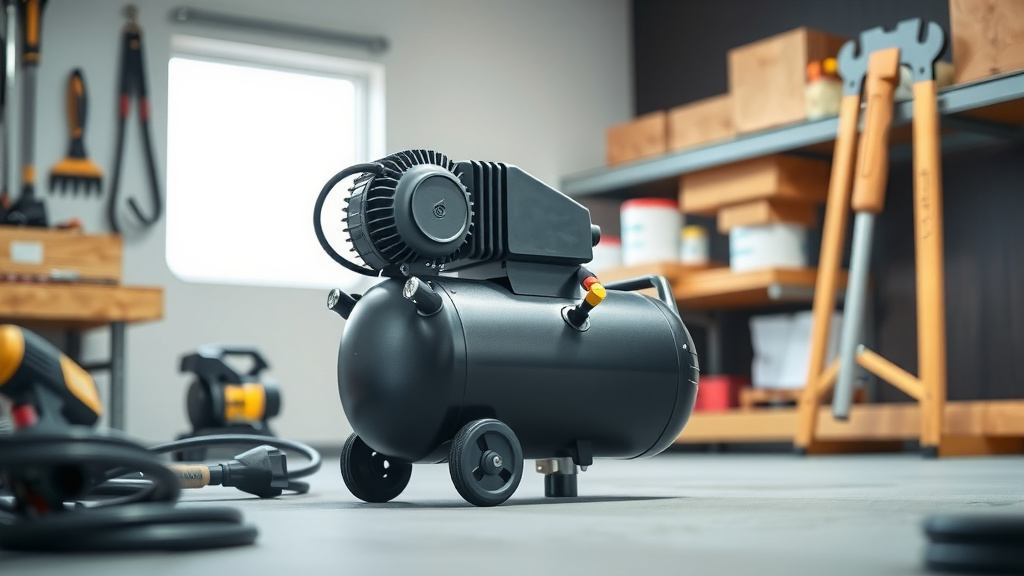
A 110-volt air compressor typically draws between 10 to 20 amps when running, with a higher surge at startup.
The exact amperage your 110 air compressor draws depends on its horsepower, efficiency, and whether it’s just starting up or continuously running.
- A 110-volt air compressor’s amperage usually falls between 10 and 20 amps.
- Starting current (LRA) can be 2-3 times higher than running current (FLA).
- Matching your compressor’s draw to a dedicated circuit breaker is essential for safety.
- An undersized circuit can lead to tripped breakers or even damage to your compressor.
- Always check your compressor’s nameplate or manual for the precise amperage rating.
How Many Amps Does A 110 Air Compressor Draw?
Most 110-volt air compressors will draw between 10 and 20 amps, but this can vary based on the motor’s size and efficiency. Think of it like a thirsty engine; some need more fuel than others.
Why Amperage Matters to You
Understanding amperage isn’t just a technical detail. It directly affects your home’s electrical system and the safe operation of your tools. You want your compressor to work, not to trip a breaker or, worse, cause an electrical issue.
It’s like knowing how much weight your shelves can hold. Overload them, and things can get messy. The same goes for your electrical circuits; they have limits.
Key Factors Affecting Amperage Draw
Why does one 110-volt compressor draw 12 amps while another draws 15? Several things come into play, making each unit unique. We found that a few core factors make the biggest difference for your power needs.
Horsepower and Motor Size
The horsepower (HP) of your compressor’s motor is the biggest factor. More horsepower generally means a stronger motor that needs more electrical current to operate. A 1 HP motor will draw less than a 2 HP motor, for example.
It’s similar to cars: a small economy car uses less fuel than a powerful sports car, even if both run on gasoline. Bigger motors do more work, so they demand more power.
Tank Size
While tank size doesn’t directly affect the running amperage, it influences how often the motor kicks on. A larger tank stores more air, meaning the compressor runs less frequently to refill. However, when it does run, the amperage draw is still determined by the motor’s horsepower.
Imagine filling a bucket versus a swimming pool. The hose flow (amperage) is the same, but the pool takes longer, and the pump runs more often. For your air compressor, the tank size impacts how long and often the motor cycles.
Start-up vs. Running Amps
Here’s a critical point many people miss: an air compressor draws significantly more current when it first starts up. This surge is called the Locked Rotor Amps (LRA) or starting amps. It can be 2-3 times higher than its normal running amperage.
Think of pushing a heavy cart. The initial push requires a lot more effort than keeping it rolling once it’s moving. Your electrical circuit needs to handle that momentary burst without tripping.
Efficiency and Design
Modern compressors are often designed with better efficiency, which can reduce their amperage draw for a given horsepower. Features like soft-start motors can also help manage the initial power surge. Research often connects these design choices with better power management (Energy Star).
It’s like comparing an old, clunky appliance to a new, streamlined one. Newer models often use less energy to do the same job. This means a smarter, more efficient motor can be gentler on your electrical system.
Understanding Your Electrical Circuit
Your home’s electrical circuits are your compressor’s lifeline. Knowing their limits is vital. Plugging a high-amp tool into an insufficient circuit is asking for trouble.
Breaker Sizes and Why They Matter
Circuit breakers protect your wiring from overload. Common household circuits are 15-amp or 20-amp. If your compressor draws more amps than the circuit breaker is rated for, the breaker will “trip,” cutting power to prevent damage or fire.
We found that using a compressor with a Full Load Amps (FLA) rating close to your circuit breaker’s limit is risky. The starting surge will almost certainly trip it. Many experts recommend having at least 20-30% headroom.
Dedicated Circuits for Compressors
For most 110-volt air compressors, especially those with 1.5 HP or more, a dedicated 20-amp circuit is often recommended. This means nothing else is plugged into that circuit, ensuring your compressor gets all the power it needs without competition.
It’s like giving your favorite runner their own lane on the track. They won’t be slowed down by other traffic. A dedicated circuit gives your compressor a clear path to power.
What Happens if the Circuit is Too Small?
Ignoring amperage requirements can lead to frustrating interruptions and potential hazards. Nobody wants their work to grind to a halt because of a tripped breaker.
Tripped Breakers
This is the most common and immediate sign that your circuit can’t handle the load. The breaker trips, power cuts, and you have to go reset it. It’s annoying and signals a mismatch between your tool and your electrical system.
It’s like trying to fit a square peg in a round hole. The system simply won’t allow it. Repeated tripping can also put strain on your breaker itself.
Overheating and Damage
Beyond tripped breakers, an undersized circuit can cause wiring to overheat. This is a serious fire hazard. It can also strain your compressor’s motor, leading to premature wear and failure. Your compressor is designed to run at a certain current; depriving it can be damaging.
Imagine trying to run a marathon without enough oxygen. Your body would struggle and eventually give out. Similarly, your compressor needs adequate current to function safely and efficiently.
How to Find Your Compressor’s Exact Amperage
Don’t guess when it comes to electrical ratings. You can find precise information about your specific air compressor in a few straightforward ways.
Checking the Nameplate
Every air compressor has a nameplate, usually a metal sticker, on the motor or tank. This plate lists vital information, including voltage (V), horsepower (HP), and Full Load Amps (FLA). The FLA is the running amperage you need to know.
This nameplate is your compressor’s ID card, holding all its key stats. Always refer to this first for the most accurate information.
Consulting the Manual
If the nameplate is hard to read or missing, your owner’s manual is the next best source. It will contain detailed electrical specifications, including both running and starting amperage. Many manufacturers include helpful diagrams or tables.
The manual is your go-to guide for everything about your specific model. It’s written by the people who designed the machine, so it’s always reliable.
Using an Ammeter
For advanced users, a clamp-on ammeter can directly measure the current draw. You simply clamp it around one of the hot wires in the power cord while the compressor is running. This gives you a real-time reading of its actual power consumption.
This is like having a speedometer for your electrical current. It offers a direct, live look at what’s happening. Just ensure you know how to use it safely.
| Compressor Horsepower (HP) | Typical Running Amps (110V) | Recommended Circuit Breaker |
|---|---|---|
| 1 HP | 8-10 amps | 15 amp |
| 1.5 HP | 10-12 amps | 20 amp |
| 2 HP | 12-15 amps | 20 amp |
| 2.5 HP | 15-18 amps | 20 amp |
| 3 HP | 18-20+ amps | Dedicated 30 amp (check manual) |
Safety Tips for Powering Your Compressor
Safety should always be your top priority when working with electrical tools. A little preparation goes a long way in preventing accidents and ensuring smooth operation.
Extension Cord Smart Choices
If you must use an extension cord, choose the right one. It needs to be heavy-duty, rated for outdoor use if applicable, and have a thick gauge (lower gauge number means thicker wire, like 12-gauge or 10-gauge). A cord that’s too thin or too long can cause voltage drop and overheat.
Many guidelines point to using the shortest possible cord to reduce resistance (OSHA). A flimsy cord acts like a tiny straw for a big drink; it just can’t deliver enough.
Regular Maintenance Checks
Keep your compressor in good working order. Check cords for damage, ensure connections are tight, and keep the motor vents clear for proper cooling. A well-maintained compressor runs more efficiently and safely.
It’s like getting an oil change for your car. Regular checks keep things running smoothly and catch potential problems before they become big issues.
Before You Plug It In: A Quick Checklist
- Check your compressor’s nameplate for FLA and LRA ratings.
- Identify the circuit breaker size for the outlet you plan to use.
- Ensure the circuit can handle the compressor’s starting surge.
- Use a dedicated circuit if possible for 1.5 HP or larger compressors.
- Inspect power cords and extension cords for any damage.
- Ensure proper ventilation around your compressor’s motor.
Conclusion
Knowing how many amps your 110-volt air compressor draws is more than just trivia; it’s essential for safe and effective use. By understanding the factors that influence amperage and matching your compressor to the right electrical circuit, you protect your tools, your home, and yourself.
Always prioritize safety, check your ratings, and don’t be afraid to consult your manual. Your air compressor is a powerful tool, and with a little knowledge, you can ensure it serves you reliably for years to come.
How do I know if my electrical outlet can handle my air compressor?
Check the circuit breaker in your electrical panel. Common outlets are on 15-amp or 20-amp circuits. Compare this rating to your compressor’s Full Load Amps (FLA) on its nameplate. Ensure the circuit breaker amp rating is higher than your compressor’s FLA, ideally with some extra capacity to handle the startup surge.
Can I use a 15-amp circuit for a 110-volt air compressor?
You can use a 15-amp circuit for smaller 110-volt air compressors, typically those around 1 HP or less (drawing 8-10 amps). However, for larger compressors (1.5 HP or more), a 15-amp circuit is likely insufficient and will frequently trip due to the high starting amperage.
What is the difference between running amps and starting amps?
Running amps (FLA – Full Load Amps) is the current your compressor draws once its motor is operating steadily. Starting amps (LRA – Locked Rotor Amps) is the much higher, brief surge of current the motor needs to overcome inertia and begin rotating. This starting surge can be 2 to 3 times the running amps.
Why does my circuit breaker keep tripping when I start my air compressor?
Your circuit breaker is likely tripping because the starting amperage (LRA) of your air compressor is exceeding the circuit’s capacity. Even if your running amps are within the limit, the initial surge to get the motor going is too much for the circuit to handle, causing it to trip for safety.
Is it okay to use an adapter to plug my 110-volt air compressor into a different type of outlet?
Generally, it is not recommended to use adapters or converters to plug your 110-volt air compressor into an outlet it wasn’t designed for. This can lead to improper current delivery, overheating, and potential damage to your compressor or electrical system. Always use the correct, rated outlet for your tool.
