
How Many Amps Does A Small Air Compressor Use?
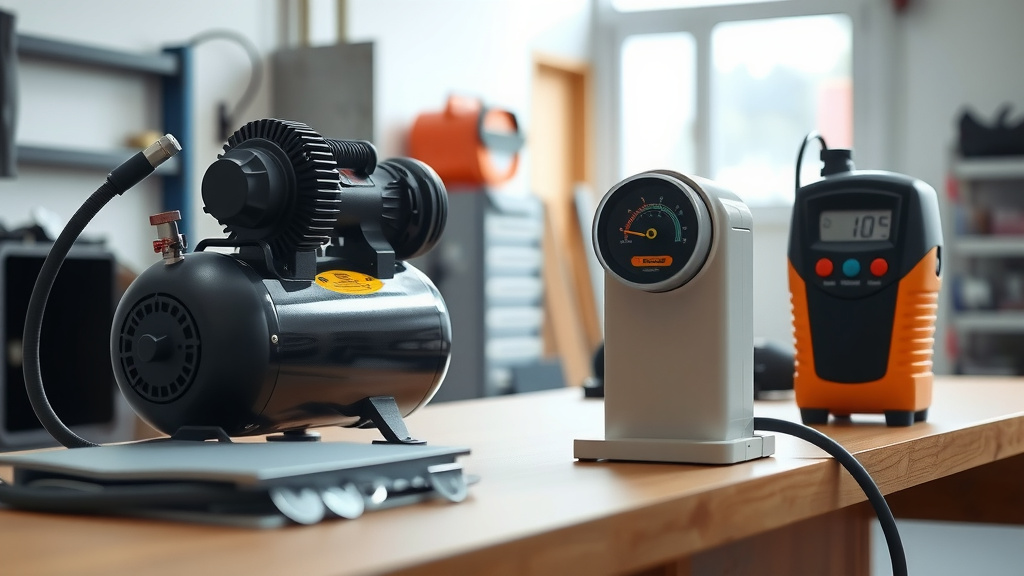
A small air compressor typically uses between 7 to 15 amps, but this can vary based on its horsepower, motor efficiency, and voltage.
Understanding how many amps a small air compressor uses is vital for preventing tripped circuit breakers and ensuring safe operation in your workshop or garage.
- A small air compressor usually draws 7 to 15 amps, but some larger portable models might reach 20 amps.
- This amperage depends on the motor’s horsepower (HP) and the voltage it operates on (typically 120V for small units).
- Checking your compressor’s data plate for its specific amperage rating is the best way to know for sure.
- Always ensure your circuit can handle the compressor’s load, especially during startup, to prevent electrical issues.
How Many Amps Does A Small Air Compressor Use?
Small air compressors, like those often found in home garages, generally draw between 7 to 15 amps. However, some slightly larger portable units might pull up to 20 amps. This range is for the compressor while it’s actively running and compressing air.
Why Knowing Your Compressor’s Amps Matters
Ever had a circuit breaker trip right when your compressor fired up? It’s frustrating, right? Knowing the amp draw helps you avoid this. It ensures your electrical circuit can handle the load, keeping you safe and your projects moving. A mismatched compressor and circuit can lead to electrical hazards.
What Factors Influence Amp Draw?
Several elements play a role in how many amps your small air compressor uses. It’s not a one-size-fits-all number. Think of it like a car’s fuel economy; many things affect it.
Horsepower (HP) of the Motor
The motor’s horsepower (HP) is a big factor. A higher HP motor needs more power to do its job. A 1 HP motor will draw less current than a 2 HP motor, for instance. More power often means more amps are required.
Voltage Rating
Most small compressors are designed for standard 120-volt household outlets. If you happen to have a 240-volt compressor (less common for small units), it would draw roughly half the amps for the same amount of power, as voltage and amperage have an inverse relationship. We found that 120V compressors are most common for DIY tasks (Electrical Safety Foundation International).
Motor Efficiency
Not all motors are created equal. A more efficient motor uses its power better, which can sometimes mean a slightly lower amp draw for the same output. Newer models often boast better efficiency. This can lead to energy savings over time.
Pressure Switch Setting
The pressure setting also matters. If your compressor is trying to reach a higher PSI (pounds per square inch), it will work harder and draw more amps. It’s like climbing a steep hill; your engine needs more gas.
Typical Amp Draw for Common Small Compressors
Let’s look at some popular types you might own. We’ve seen these ranges in many product specifications (compressor manufacturers).
| Compressor Type | Typical HP Range | Approximate Amp Draw (120V) |
|---|---|---|
| Pancake Air Compressor | 0.5 – 1.5 HP | 7 – 12 Amps |
| Hot Dog Air Compressor | 1.0 – 2.0 HP | 10 – 15 Amps |
| Small Portable Compressor (inflator) | 0.25 – 0.75 HP | 4 – 8 Amps |
| Small Wheeled Compressor | 1.5 – 2.5 HP | 12 – 20 Amps |
Reading Your Compressor’s Data Plate
The absolute best way to know your compressor’s amp draw is to check its data plate. This is usually a sticker or metal plate on the compressor’s body. It lists essential information like HP, voltage, and the crucial “Full Load Amps” (FLA). Always trust this label first.
Starting Amps vs. Running Amps
Here’s a little secret: your compressor actually draws more amps when it first starts up than when it’s running. This is called “inrush current” or “starting amps.” It’s a brief spike, but it can be 2-3 times higher than the running amps. This surge is often what trips a circuit breaker, especially if the circuit is already close to its limit (National Electrical Code insights).
Your Circuit Breaker’s Role
Most standard household circuits are 15 amps or 20 amps. A 15-amp circuit can handle around 12 amps continuously, and a 20-amp circuit around 16 amps. If your compressor needs 15 amps to run, plugging it into a 15-amp circuit might be pushing it, especially with that starting surge. This is why a dedicated 20-amp circuit is often recommended for many small to medium compressors.
Electrical Safety First: Important Tips
Safety should always be your top concern when using power tools. Here are some quick tips:
- Use Proper Extension Cords: If you need an extension cord, make sure it’s rated for the compressor’s amperage and is as short as possible. Thinner, longer cords can cause a voltage drop and increased current draw, creating heat.
- Dedicated Circuits: Whenever possible, plug your compressor into a circuit that doesn’t have other high-draw appliances running. This minimizes the risk of overloading.
- Inspect Wiring: Before use, quickly check your compressor’s power cord for any damage. Frayed wires are a big no-no.
- Grounding: Always ensure your compressor is plugged into a properly grounded outlet. The third prong is there for a reason!
Checking for Overload Signs
Your circuit breaker is designed to protect you. If it keeps tripping, it’s not just annoying; it’s a warning sign. It means the circuit is overloaded, and continuing to reset it without addressing the cause can be dangerous. Other signs of overload include dimming lights when the compressor starts or excessive heat from the plug or cord. Pay attention to these silent alarms.
Analogy: Water Flow and Electrical Current
Think of electricity like water flowing through a pipe. Voltage is the water pressure, amperage is the flow rate (how much water), and resistance is anything narrowing the pipe. A compressor needs a certain “flow” of electricity (amps) to work. If the “pipe” (circuit) isn’t big enough, or if too many things are drawing water, the “pump” (breaker) will shut off to prevent damage.
Checklist for Safe Compressor Use
Before you power up your air compressor, quickly run through this list:
- Is the circuit breaker rated correctly for the compressor?
- Are you using a heavy-duty, short extension cord if needed?
- Is the power cord free from any visible damage?
- Are other high-draw appliances off the same circuit?
- Is the compressor plugged into a grounded outlet?
Conclusion
Understanding “How Many Amps Does A Small Air Compressor Use?” is more than just a technical detail; it’s about safety and efficient operation. While a typical small unit draws 7 to 15 amps, always consult your specific compressor’s data plate for precise numbers. Knowing this helps you choose the right circuit, prevent annoying trips, and keep your workspace safe. Taking a few moments to check these details can save you a lot of hassle and potential hazards down the road. Remember, informed use is always the best use.
What Happens If My Compressor Draws Too Many Amps?
If your compressor draws too many amps for the circuit it’s connected to, the circuit breaker will trip, cutting off power to prevent overheating and potential fire hazards. It’s a built-in safety mechanism designed to protect your wiring and equipment.
Can I Use a Small Air Compressor with an Extension Cord?
Yes, you can use an extension cord, but it must be properly rated. We found that a heavy-duty cord (like 12- or 10-gauge wire) and as short as possible is ideal for minimizing voltage drop and ensuring the compressor gets enough power without overheating the cord.
Is a 20-Amp Circuit Always Necessary for a Small Compressor?
Not always, but it’s often recommended for many small to medium-sized compressors, especially those with 1.5 HP or more, to accommodate their starting amp surge. For smaller inflators or very low HP units, a dedicated 15-amp circuit might be sufficient.
How Can I Reduce My Compressor’s Amp Draw?
You generally cannot reduce the compressor’s inherent amp draw, as it’s determined by its motor design. However, ensuring it’s operating at the correct voltage, maintaining good airflow around the motor, and keeping the tank from over-pressurizing can help it run as efficiently as possible.
Where Can I Find My Air Compressor’s Amp Rating?
You can find your air compressor’s amp rating (often listed as “FLA” or “Full Load Amps”) on its data plate. This is usually a metal plate or a sticker located on the compressor’s body, often near the motor or pump.
