What Happens If You Run an Air Compressor without Oil?
Running an air compressor without oil is a very bad idea and can lead to immediate and severe damage. While some very small “oil-free” compressors exist, most standard air compressors…


Running an air compressor without oil is a very bad idea and can lead to immediate and severe damage. While some very small “oil-free” compressors exist, most standard air compressors…
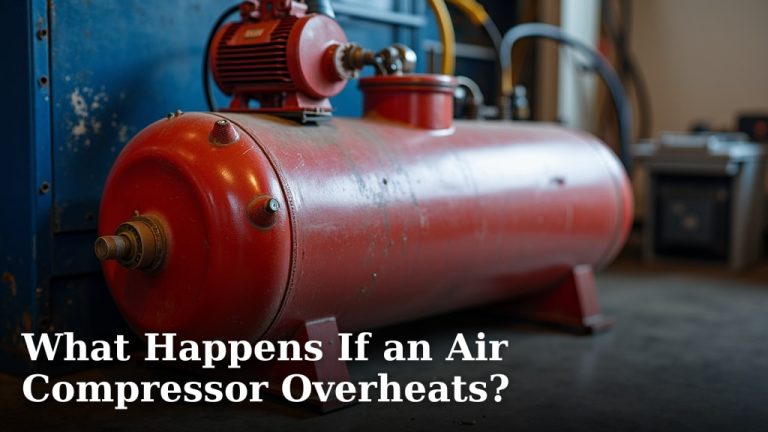
If your air compressor overheats, it can cause serious damage to its internal components, potentially leading to costly repairs or even a shortened lifespan. While most units have built-in safety…

Using the wrong oil in your air compressor can cause serious damage and lead to costly repairs. Your compressor might overheat, wear out faster, or even seize up completely. It’s…
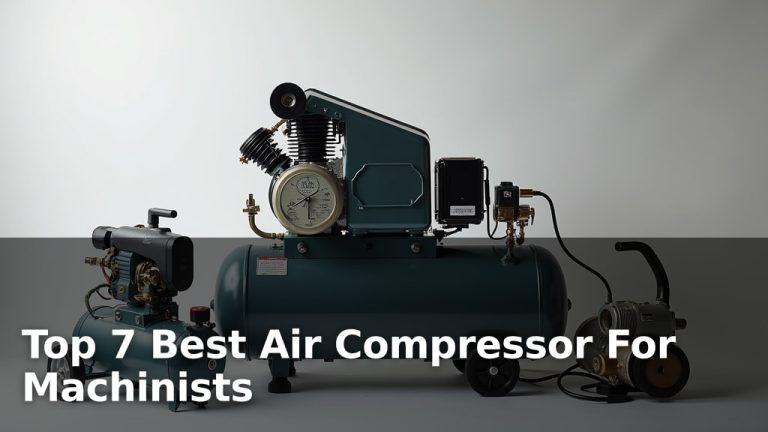
The best air compressors for machinists include options like the RyanTek 15-Gallon Quiet, the Klutch 29-Gallon Air Compressor, and the Klutch 20-Gallon Air Compressor, each offering distinct advantages for workshop…
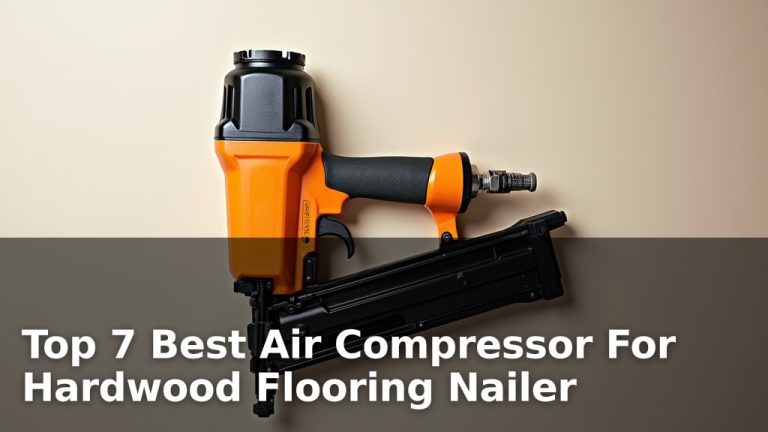
The best air compressors for hardwood flooring nailers are Fogera Cordless Air Compressor, Metabo HPT THE TANK, and MZB 6.4 Gallon, chosen for their power, portability, and tank size. Properly…
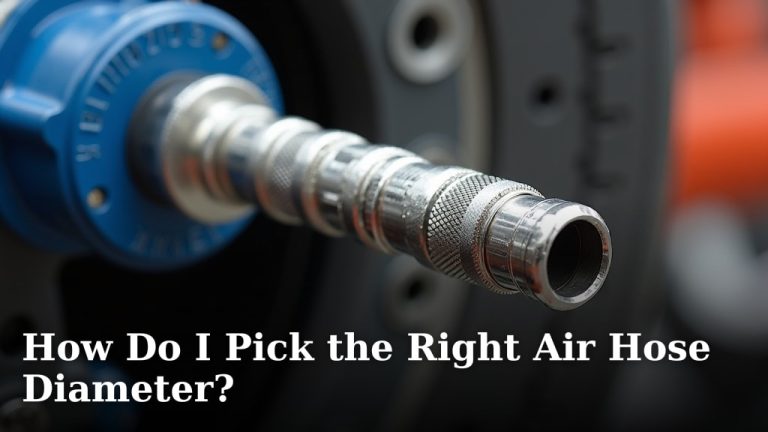
Picking the right air hose diameter is all about matching it to your tools and your air compressor’s flow rate. A bigger diameter means more airflow, which is great for…

Choosing between a pancake compressor and a hot dog compressor really depends on your specific needs and workspace. A pancake compressor is generally more portable and great for light tasks,…
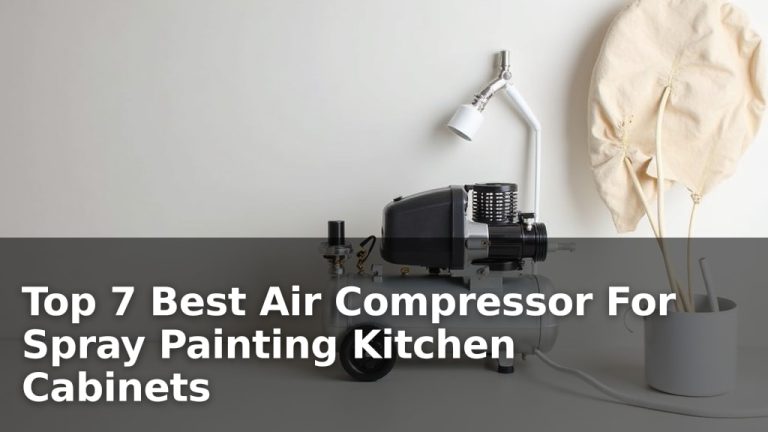
The best air compressors for spray painting kitchen cabinets are models like the Metabo HPT Quiet, Batavia 700W HVLP, and RyanTek 8 Gallon, chosen for their quiet operation, ergonomic design,…
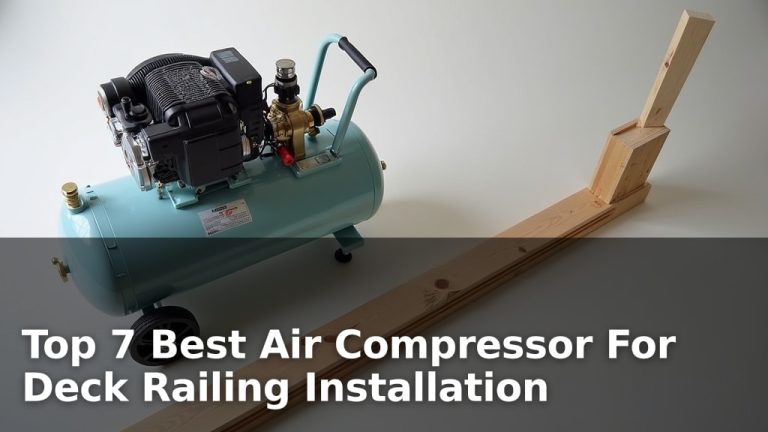
The best air compressors for deck railing installation include models like the Klutch 29-Gallon 175 PSI for continuous use, the Metabo HPT THE TANK for nail gun power, and the…
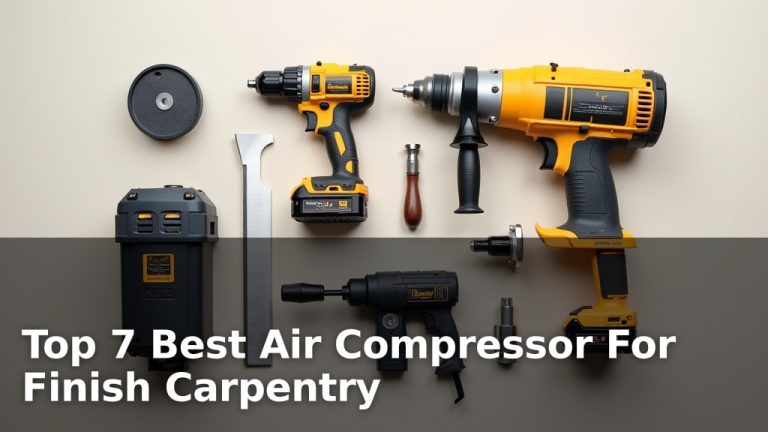
The best air compressors for finish carpentry are models like the RyanTek 15-Gallon for quiet operation, the Metabo HPT EC914S for versatile nailing, and the DEWALT DWFP55130 for jobsite versatility,…