
What Happens If You Use the Wrong Oil in an Air Compressor?
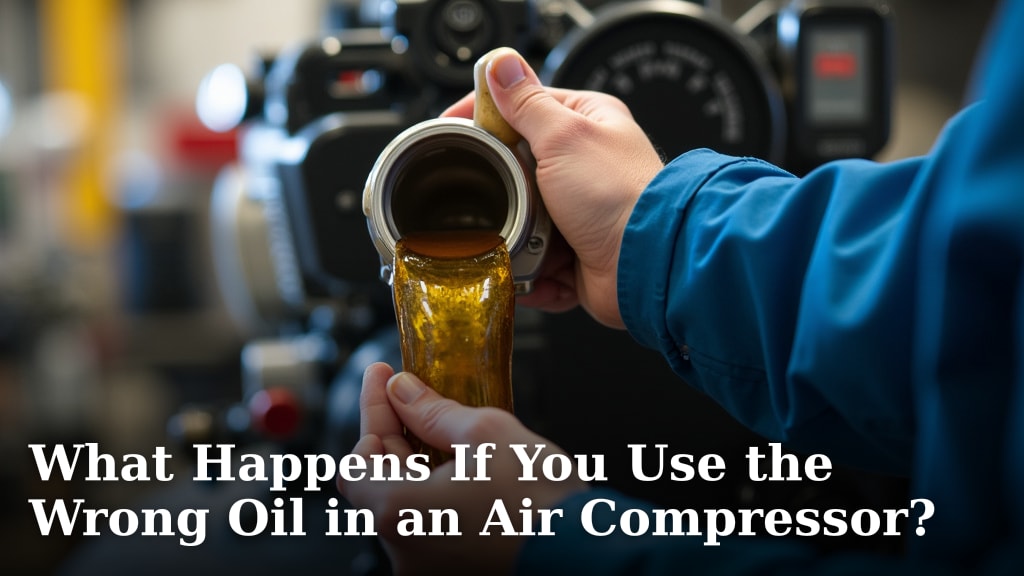
Using the wrong oil in your air compressor can cause serious damage and lead to costly repairs. Your compressor might overheat, wear out faster, or even seize up completely. It’s best to always use the specific oil recommended by the manufacturer to keep it running smoothly.
Different types of air compressors have different oil needs. A screw compressor needs a different type of oil than a piston compressor. Using the wrong viscosity or formulation can create excessive friction and heat, leading to component failure. Many owners overlook this, causing preventable problems.
- Using incorrect oil can cause overheating.
- It leads to increased wear and tear on internal parts.
- A compressor might eventually seize up completely.
- Always check your manual for the right oil type.
- Using the correct oil saves money on repairs.
Let’s dive into exactly what can happen when you put the wrong oil in your air compressor and why it’s so important to get it right.
When Compressor Oil Goes Wrong: What to Expect
So, you’ve reached for an oil bottle, but maybe it wasn’t the one your air compressor manufacturer recommended. It’s an easy mistake to make! Your compressor might seem okay at first. But using the wrong oil can cause real problems down the road. We’re here to walk you through what can happen, step-by-step.
Think of your air compressor’s oil like the blood in your own body. It circulates, lubricates, and keeps everything running smoothly. When the wrong type is used, it’s like trying to run with an infection – things start to go haywire.
The Immediate Effects: Heat and Friction Woes
One of the first things you might notice is increased heat. Air compressors work hard. They rely on oil to manage friction between moving parts. The wrong viscosity or a different formulation means the oil can’t do its job properly. This leads to parts rubbing together more than they should.
Overheating: The First Warning Sign
When friction increases, so does heat. Your compressor’s oil is designed to absorb and dissipate this heat. If it’s not the right kind, it can’t handle the load. This can lead to thermal breakdown of the oil itself. It starts to lose its lubricating properties when it gets too hot.
You might see higher temperatures on your compressor’s gauge, or even smell something burning. Some compressors have built-in sensors that will shut them down if they overheat. This is a safety feature, but it means your compressor isn’t working when you need it to.
Friction and Wear: A Silent Killer
Beyond the heat, the wrong viscosity is a big issue. If the oil is too thin, it won’t create a strong enough film between metal parts. This allows metal-on-metal contact. If the oil is too thick, it can strain the motor and pump. It might not reach all the necessary areas.
This increased friction leads to accelerated wear on critical components like pistons, rings, cylinders, and bearings. Think of it like constantly dragging your finger across sandpaper. Over time, the surface is going to get damaged. This wear doesn’t happen overnight, but it significantly shortens your compressor’s lifespan.
Long-Term Consequences: Component Damage and Failure
If you continue to use the incorrect oil, the initial problems of heat and wear will escalate. You’ll start to see more serious damage to the internal parts. These are often the most expensive components to replace.
Bearing and Seal Deterioration
Bearings are vital for smooth rotation. They rely on a consistent film of oil to prevent wear. When this film is compromised due to improper lubrication, bearings can start to grind and wear down. This can lead to noise, vibration, and eventual bearing failure.
Seals are also at risk. They keep oil in and contaminants out. High temperatures and the wrong oil can cause seals to harden, crack, or shrink. This can result in oil leaks, which further reduces lubrication and can lead to contamination issues.
Piston and Cylinder Damage
Your compressor’s pistons move up and down within cylinders. They need a good seal and lubrication to work efficiently. If the oil is wrong, the pistons might not seal properly. This can cause blow-by, reducing efficiency and creating more heat. The cylinder walls can become scored or damaged.
Many experts mention that piston rings are particularly vulnerable. They are designed to maintain a seal against the cylinder wall. If the oil doesn’t lubricate them correctly, they can wear out quickly or even break. This is a common cause of reduced compressor performance.
Valve Issues and Carbon Buildup
Compressor valves control the flow of air. They need to operate smoothly and seal tightly. Using an oil that isn’t designed for high temperatures or pressure can lead to carbon deposits forming on the valves. These deposits can prevent the valves from closing properly.
This results in air leaking back into the cylinder during the compression stroke. It makes the compressor work harder and less efficiently. Over time, these sticky valves can fail completely, requiring replacement.
Specific Oil Types and Their Importance
Not all oils are created equal, and air compressors are no exception. Different types of compressors have different needs. What works for one might be disastrous for another.
Synthetic vs. Mineral Oils
Synthetic oils are engineered in a lab to provide superior performance. They typically offer better thermal stability and longer service intervals than mineral oils. Mineral oils are derived from petroleum. They are generally less expensive but may break down faster at high temperatures.
Using a mineral oil in a compressor designed for synthetic could lead to faster degradation and require more frequent oil changes. Conversely, a synthetic oil that isn’t the right viscosity might not provide adequate protection either.
Viscosity Matters: Too Thick, Too Thin?
Viscosity refers to an oil’s thickness or resistance to flow. It’s often measured on a scale like SAE 30 or 10W-30. The correct viscosity ensures the oil can create the necessary protective film between moving parts. It also needs to flow well enough to lubricate everything without straining the system.
We found that using an oil that’s too light might not provide enough protection under load. An oil that’s too heavy can impede movement and cause the motor to work harder, leading to overheating. Always check your manual for the recommended viscosity range.
The Right Formulation for Your Compressor Type
There are specific formulations of oils designed for different compressor types. For example, rotary screw compressors have different requirements than reciprocating piston compressors. Some oils are formulated to handle the extreme pressures and temperatures found in certain machines.
Using a general-purpose motor oil or even a different type of industrial lubricant is a recipe for disaster. These oils may lack the additives needed to protect against the unique stresses in an air compressor. Many sources, like engineering handbooks, stress that using an oil specifically designed for your compressor type is paramount.

Beyond Oil: Other Factors to Consider
While oil is critical, other maintenance practices also play a role. Ignoring these can exacerbate problems caused by incorrect oil.
Regular Oil Changes: Don’t Skip This!
Even with the correct oil, it doesn’t last forever. Over time, oil can become contaminated with wear particles, moisture, and other debris. It also loses its effectiveness as its additive package depletes. Changing the oil at the intervals recommended by the manufacturer is essential.
We found that neglecting oil changes is one of the most common reasons for premature compressor failure. It’s a simple maintenance task that pays huge dividends in equipment longevity.
Filter Maintenance: Keeping Things Clean
Air compressors have oil filters, just like your car. These filters remove contaminants from the oil. If the filter becomes clogged, oil flow can be restricted, or the filter might bypass, allowing dirty oil to circulate. Regular inspection and replacement of the oil filter are vital.
Dirty oil, even if it’s the correct type, can still cause wear. Think of it like trying to drink through a straw clogged with sand. It just doesn’t work efficiently.
Checklist: Keeping Your Compressor Happy
Here’s a quick rundown to help you avoid oil-related issues:
- Always consult your air compressor’s owner’s manual for oil specifications.
- Use only oils explicitly labeled for your specific type of air compressor.
- Pay close attention to the recommended viscosity grade.
- Follow the manufacturer’s schedule for oil changes and filter replacements.
- Never use motor oil or other generic lubricants unless explicitly permitted.
- Watch for signs of overheating or unusual noises, which could indicate oil problems.
By understanding what can go wrong and taking these simple steps, you can keep your air compressor running efficiently and reliably for years to come. It’s all about giving your machine the right care!
Conclusion
You’ve learned that using the wrong oil in your air compressor isn’t just a minor inconvenience; it’s a direct path to potential damage and costly repairs. We’ve seen how incorrect oil leads to overheating, increased friction, and accelerated wear on critical components like bearings, seals, and pistons. Your compressor relies on the right lubrication to function, and cutting corners here is a gamble you don’t want to take.
To keep your air compressor running reliably and efficiently for years, make it a habit to always consult your owner’s manual and use only the manufacturer-recommended oil. This simple step protects your investment and ensures your machine performs when you need it most.
Frequently Asked Questions
Can I use regular motor oil in my air compressor?
Generally, no. Regular motor oil is not formulated for the high temperatures and pressures inside an air compressor. We found that compressor-specific oils contain different additives designed to handle these unique stresses and prevent issues like carbon buildup.
What happens if I don’t change the air compressor oil often enough?
If you skip oil changes, the oil can become contaminated with wear particles and moisture. This degrades its lubricating properties, leading to increased friction and wear, much like using the wrong type of oil from the start. Regular changes are essential for longevity.
My compressor is making a grinding noise. Could it be the oil?
A grinding noise is often a sign of bearing damage, which can certainly be caused by using the wrong oil or having old, degraded oil. When the oil film breaks down, metal parts can grind against each other, leading to noise and eventual component failure.
Is there a difference between oil for a small portable compressor and a large industrial one?
Yes, there absolutely is. Small compressors might use simpler mineral oils, while larger or more specialized units, like rotary screw compressors, often require synthetic oils with specific viscosity and additive packages. Always check your manual for the correct type.
How do I know if the oil I’m using is causing problems?
Watch for warning signs like your compressor running hotter than usual, strange noises, reduced efficiency, or visible oil leaks. If you suspect an oil issue, stop the compressor, check your manual, and consider an oil change with the correct product.
