How to Dispose of Air Compressor Tanks
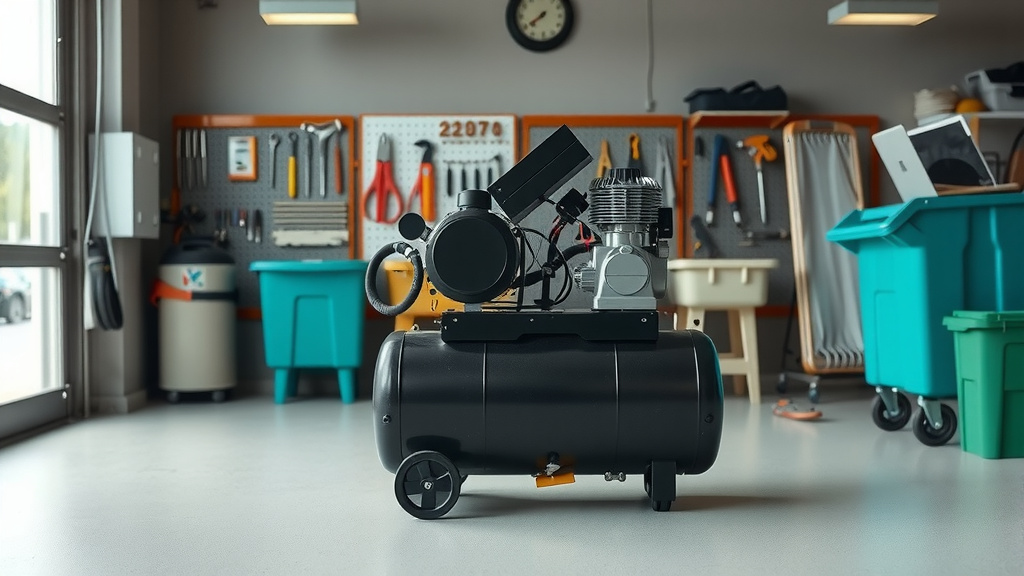
Depressurize the receiver tank completely, separate it from the compressor, and confirm local scrap or hazardous-waste rules before recycling it. A complete compressor may need separate handling for oil, electrical parts, and other materials.
On this page (7 sections)
- How do you make an air compressor tank safe for disposal?
- Should you recycle the receiver tank separately?
- What changes when you dispose of the complete compressor?
- What should you do with a damaged or badly rusted tank?
- How should you transport an air compressor tank?
- Can you scrap an air compressor tank at home?
- What is the safest disposal decision?
Here's how to dispose of air compressor tanks: shut down the compressor, drain the receiver until the gauge reads zero, separate the tank from the rest of the unit, and confirm acceptance with a scrap-metal recycler or local waste office. That order matters because each step lowers a different risk.
Don't cut, drill, crush, weld, or heat a tank yourself. A steel receiver is built to hold air under pressure, and that stays a hazard until you have confirmed no pressure remains inside it.
Start by switching the compressor off and disconnecting it from power. This keeps the motor from restarting while you work on valves, gauges, or fittings.
Then release the air through the normal outlet or drain until the gauge reads zero. Treat a gauge that will not move, a valve that will not open, or a tank with visible damage as a reason to stop and get qualified help.
Once pressure is gone, decide what you actually have. An empty receiver tank is not the same thing as a complete compressor.
The tank may be handled as scrap metal after safe preparation. The complete compressor can contain oil, electrical parts, and fittings that need separate instructions.
That distinction shapes where each piece goes. Scrap metal handlers often take clean steel, while oil, motors, and wiring may need a different collection route.
Separate parts only when they come apart without force and the tank is already depressurized. Forcing a seized fitting can damage the tank and turn a simple disposal task into a safety problem.
Call the receiving facility before you load anything. Ask whether it accepts air compressor tanks, whether it wants fittings removed, and whether it needs proof the tank is empty.
Keep used oil and other residues in sealed, suitable containers. Ask about local oil collection rather than pouring anything onto soil or into a drain.
How do you make an air compressor tank safe for disposal?
Depressurize the tank completely before moving or recycling it. Turn off the compressor, disconnect power, close the air outlet if your setup has one, and use the normal air outlet or drain process until the pressure gauge reads zero.
If you need to locate the valve on a RIDGID pancake model, see where its drain valve is.
Keep your hands and face away from the drain opening while releasing air. Wear eye protection, work in a ventilated area, and keep people away from the discharge path.
If the gauge does not fall to zero, assume the tank still contains pressure. A stuck drain, damaged valve, or broken gauge is a reason to stop and contact a qualified technician.
Our guide to how to drain an air compressor tank covers the routine draining process before you move the equipment. For a Hyper Tough model, see how to drain its tank.
Can you remove the drain valve or fittings?
Remove fittings only when the tank is fully depressurized and the parts can be loosened without force that could damage the tank. A seized valve is not worth treating as a simple do-it-yourself repair during disposal.
Don't use a torch, grinder, drill, or impact tool on a tank that could still contain pressure. If corrosion has weakened the metal or the valve will not open, ask a professional or the receiving facility how it wants the tank prepared.
Should you recycle the receiver tank separately?
Separate the empty receiver tank from the complete compressor when it is practical and safe. Tell the recycler that the item is an air compressor tank and follow its rules for size, fittings, labels, and preparation.
Some scrap yards accept empty steel tanks with other ferrous metal. Others may refuse tanks with valves attached, heavy corrosion, unknown contents, or no proof that the tank is depressurized.
Call before loading it into a vehicle. Ask whether the facility accepts receiver tanks, whether it wants the tank separated from the motor and pump, and whether it has a drop-off process for pressure vessels.
For the wider equipment decision, see How To Dispose Of Old Air Compressor?. If you need a local option, Where To Dispose Of Air Compressor? explains how to check disposal locations before you travel.
What changes when you dispose of the complete compressor?
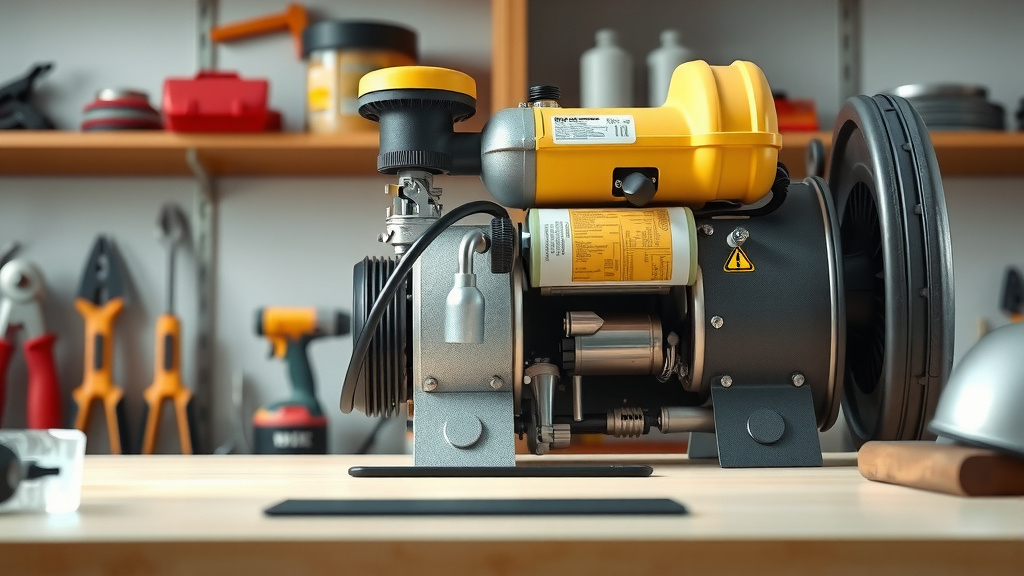
A complete compressor needs a broader disposal plan than an empty tank. The motor, pump, frame, wiring, oil, pressure switch, gauge, and receiver may go to different handlers.
Drain compressor oil only according to the equipment manual and local waste rules. Keep used oil in a sealed, suitable container, and ask an oil-recycling site or household hazardous-waste program whether it accepts it.
Don't pour oil onto soil, into a drain, or into a storm sewer. The [EPA household hazardous waste guidance](https://www.epa.gov/household hazardous-waste) explains why local collection rules matter for products that can harm people or the environment.
If the compressor has a detachable tank, don't assume the remaining assembly is ordinary scrap. Ask the recycler whether it accepts electric motors, oily machinery, and mixed materials together.
Does the compressor oil affect disposal?
Oil matters when the compressor is oil-lubricated or still contains lubricant. The correct fluid depends on the compressor's instructions, so don't add oil simply to prepare equipment for disposal.
The Milton 1002 is a petroleum, non-detergent compressor oil with ISO 100 and SAE 30W viscosity in a 1 gallon bottle. It suits readers maintaining an oil-lubricated reciprocating compressor before deciding whether only the tank or the complete unit needs replacement.
Use only the oil grade specified for equipment that remains in service. If the compressor is being discarded, focus on safe draining and collection rather than topping it off.
The TRIAX Kompressor ISO 100 SAE 30 full synthetic oil comes in a 1 gallon bottle and is labeled for rotary, vane, screw, and reciprocating compressors. It is a practical option for compatible commercial or severe-duty equipment that will continue operating while you replace or remove a tank.
The quart version has the same ISO 100 and SAE 30 viscosity, full synthetic material, and rotary, vane, screw, and reciprocating compressor uses. Its smaller 1 quart volume suits a reader who needs less lubricant for equipment that stays in service.
These oils are not tank-disposal chemicals. They belong in the maintenance part of the decision, while used oil belongs in an approved collection stream.
What should you do with a damaged or badly rusted tank?
Treat a badly rusted, dented, leaking, or unknown-condition tank as a safety concern. Don't test it by adding air, and don't try to make it safe with a homemade repair.
Surface rust does not tell you how much wall strength remains. Deep pitting, bulges, cracks, leaking seams, or a damaged mounting area are reasons to keep people away and ask a qualified professional or recycler for instructions.
Never weld a receiver tank for disposal. Heat and sparks can ignite residue, and welding changes a pressure vessel that may not be safe to modify.
A tank that still has a readable label, model, or inspection information should be described accurately to the receiving facility. If you cannot identify its condition or previous use, say so before arranging transport.
How should you transport an air compressor tank?
Move the tank only after the pressure is confirmed at zero and the tank is stable. Check the gauge again before lifting, and confirm no air escapes when you touch the drain or outlet.
Secure it so it cannot roll, slide, or strike people during loading. A round steel tank shifts easily on a ramp, a truck bed, or a sloped driveway.
Protect valves and fittings from impact. Do not drag a tank by a pipe, hose, pressure switch, or drain valve.
Those parts can bend, snap, or turn into sharp edges during the move.
A complete compressor can be heavy and awkward. Use help or suitable lifting equipment when needed, and keep the tank upright or in the position recommended by the receiving facility.
Padding, straps, and a clear path help more than speed. Load slowly, set the tank down gently, and check that it stays put before you drive.
If the recycler gives you special loading instructions, follow those over general advice. Transport rules can also differ when oil or other residues remain in the equipment.
Can you scrap an air compressor tank at home?
Home preparation should stop at safe shutdown, depressurization, separation, and approved transport. Cutting a tank into smaller pieces is not a normal disposal step for a homeowner.
For more detail on dismantling the whole unit, read How To Scrap An Air Compressor?. That process still begins with disconnecting power, removing pressure, and handling oil before any material is sent to a recycler.
If you are considering keeping the compressor and replacing only the receiver, inspect the pressure gauge and fittings first. A Best Air Compressor Tank Gauge guide can help you understand the gauge role, but a replacement gauge does not make a damaged tank safe.
What is the safest disposal decision?
Choose the path based on what you are disposing of: an empty tank, a complete compressor, or damaged equipment. An empty, depressurized receiver may go to a scrap-metal recycler that accepts it.
A complete compressor may need separate oil and electrical handling.
A damaged or uncertain tank needs professional guidance.
Use How To Dispose Of Air Compressor? for the complete-unit process, and verify the receiving facility before loading anything.
The simple rule is: zero pressure first, no cutting or heating, separate materials when safe, and confirm local acceptance before transport. That sequence protects you, the recycler, and anyone who handles the equipment afterward.
Frequently asked questions
Can I put an air compressor tank in the trash?
Usually, an air compressor tank should not go into ordinary household trash while it is pressurized or connected to other parts. Depressurize it, remove loose fittings only when safe, and ask a scrap-metal recycler or local waste office whether it accepts the empty tank.
How do I depressurize an air compressor tank?
Switch off and unplug the compressor, close the supply valve, and use the normal outlet or drain procedure until the pressure gauge reads zero. Open the tank drain only in a safe location, and stop if the valve is seized, damaged, or still shows pressure.
Can I cut up an old air compressor tank?
Don't cut, drill, weld, crush, or heat an air compressor tank until a qualified professional has confirmed that it is empty and safe. A tank can retain pressure or flammable residue, and changing its structure can create a serious rupture or fire hazard.
Is an air compressor tank recyclable?
An empty steel receiver tank may be accepted as scrap metal, but acceptance depends on the recycler and local rules. Remove the tank from the complete compressor when practical, disclose that it held compressed air, and follow the facility's preparation instructions.