
Can I Use PEX For Air Compressor?
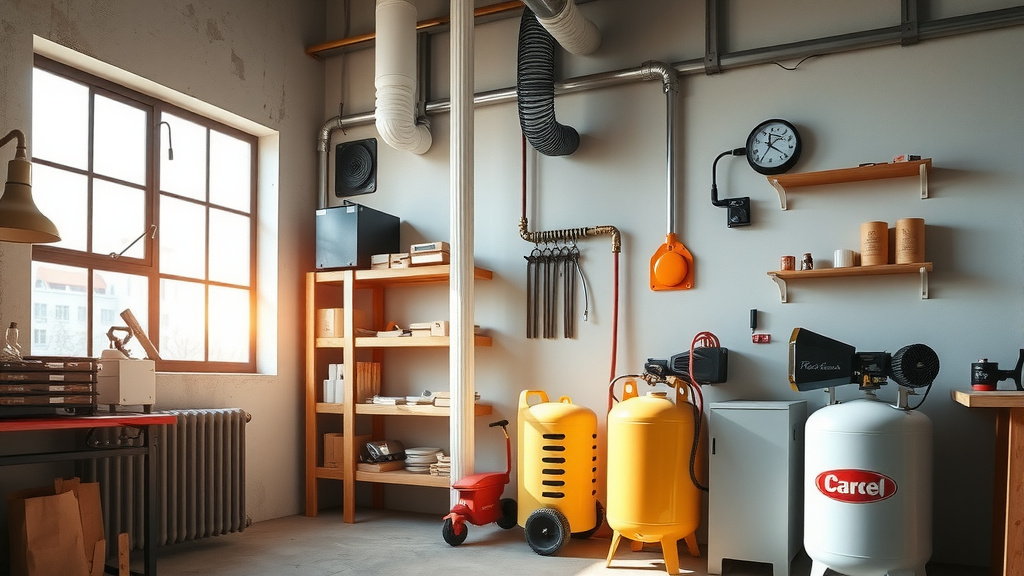
PEX (cross-linked polyethylene) pipe is generally not recommended for compressed air systems. Its material properties are not designed to safely handle the high pressures and temperatures that an air compressor can generate.
For air compressor lines, it’s much safer to use materials like copper, black iron, or purpose-built compressed air piping designed for the application’s specific demands.
- PEX is generally unsafe for compressed air systems.
- High pressure and heat can cause PEX to burst or degrade quickly.
- Always choose piping materials specifically rated for compressed air.
- Safety should be your absolute top priority for any air compressor setup.
Can I Use PEX For Air Compressor?
No, you should not use PEX for your air compressor lines. While PEX is fantastic for water systems, it simply isn’t engineered for the unique demands of compressed air.
Why PEX and Compressed Air Don’t Mix
You might be thinking, “PEX holds water just fine, why not air?” It’s a fair question, but there’s a big difference between carrying water and carrying compressed air. The forces at play are vastly different, creating a real risk.
Understanding PEX Limitations
PEX pipe is designed for specific applications, primarily hot and cold water distribution. It handles water pressure well, usually up to 160 psi, and a certain temperature range. However, compressed air presents its own set of challenges that PEX cannot safely meet. We found that its structural integrity isn’t built for the dynamic and sometimes intense conditions of an air system.
The Dangers of Using PEX for Air Lines
Using PEX for compressed air can be quite risky. Imagine the pressure inside your air tools or your compressor tank. That force is a serious matter, and using the wrong material could lead to big problems. You want your workshop to be a safe place, right?
What Happens When PEX Fails?
When PEX fails under compressed air pressure, it doesn’t just leak. It can **rupture explosively**. This isn’t like a small pinhole leak in a water pipe. A PEX pipe carrying compressed air can fragment into sharp projectiles. This scenario poses a serious **safety hazard** to anyone nearby. It can cause property damage, serious injury, or worse (Occupational Safety and Health Administration – OSHA guidelines for compressed air safety often mention material failure risks).
Here’s why it’s a bad idea in simple terms:
- PEX isn’t rated for high-pressure air.
- The material can become brittle over time from oil vapor exposure.
- Sudden bursts are a real danger, not just slow leaks.
Recommended Materials for Air Compressor Piping
So, if PEX is out, what should you use? Good question! You have several reliable options that are much safer and more effective. These materials are built to withstand the unique rigors of compressed air systems, ensuring peace of mind for you.
Copper Piping: A Solid Choice
Copper tubing is a popular and excellent choice for air compressor lines. It’s resistant to corrosion, handles pressure well, and provides a **clean air supply**. Installation can be a bit more involved, requiring soldering or specific compression fittings, but the results are durable and reliable.
Black Iron Pipe: Sturdy and Reliable
Black iron pipe is another time-tested option. It’s incredibly strong and handles high pressures without issue. You’ll find it often in larger industrial settings. One thing to watch out for is potential rust and scale, which can get into your air tools. Using a good filter is a must with black iron.
Aluminum Compressed Air Piping: Modern Solution
Many modern systems use aluminum piping, which is gaining popularity. It’s lightweight, corrosion-resistant, and relatively easy to install with specialized fittings. Aluminum provides a **clean and efficient air delivery system** and can be an excellent long-term solution for many workshops.
PVC: Is It Any Better? (Spoiler: No)
Just like PEX, PVC (Polyvinyl Chloride) is also **not safe for compressed air**. Many people mistakenly think it’s okay because it’s used for water. However, PVC can become brittle with age, UV exposure, and oil contamination. When it fails under pressure, it can also shatter violently, just like PEX. You should absolutely avoid using PVC for compressed air applications.
Key Factors When Choosing Your Air Line Material
Selecting the right material isn’t just about avoiding PEX. You need to consider a few other things to ensure your system works perfectly and safely for years. It’s like picking the right tool for a job – the right material makes all the difference.
Pressure Rating Matters
Every piping material has a maximum pressure rating. You need to choose a material that can comfortably handle your compressor’s maximum output pressure, plus a **safety margin**. Never use a pipe rated below your compressor’s capabilities. We found that most experts recommend a pipe rating at least 1.5 times your maximum operating pressure.
Temperature Resistance is Crucial
Compressed air isn’t always cool. As air compresses, it heats up, and this heat travels through your lines. Materials like PEX and PVC soften with heat, weakening their structure. You need a pipe that can **maintain its integrity** even with fluctuating temperatures in your system.
Installation and Cost Considerations
Your budget and DIY skills play a role too. Copper and black iron might be more expensive upfront and require specialized tools or skills. Aluminum systems, while modern, also have their own installation nuances. Consider the **long-term costs** of reliability and safety versus initial savings. What’s your time worth?
Here’s a quick comparison of common air line materials:
| Material | Pros | Cons | Air Compressor Suitability |
|---|---|---|---|
| Copper | Corrosion-resistant, clean air, durable | Higher cost, requires soldering/special fittings | Excellent |
| Black Iron | Very strong, high pressure tolerance | Rust/scale potential, heavier, harder to work with | Good (with filters) |
| Aluminum | Lightweight, corrosion-resistant, easy to assemble | Higher initial cost, specific fittings needed | Excellent |
| PEX | Flexible, low cost (for water) | Low pressure rating for air, poor heat tolerance, explosive failure risk | Unsafe – Do NOT Use |
| PVC | Low cost (for water) | Becomes brittle, shatters explosively, poor heat tolerance | Unsafe – Do NOT Use |
Your Safety Checklist for Air Compressor Piping
Before you commit to any piping, run through this quick mental checklist. It will help ensure you’ve covered all the bases and that your compressed air system is as safe as possible. Your workshop safety is truly **worth the extra thought**.
- Is the material specifically rated for compressed air?
- Does it meet or exceed your compressor’s maximum pressure?
- Can it handle the potential temperature fluctuations?
- Are all fittings and connections also rated for air compressor use?
- Have you considered potential oil contamination from the compressor?
Conclusion
So, when you ask, “Can I use PEX for air compressor lines?”, the clear answer is no. While PEX is a fantastic material for its intended purpose (water lines), it simply isn’t engineered for the high pressures and temperatures of compressed air. Choosing the right material for your air lines, such as copper, black iron, or aluminum, is a critical safety decision. It protects you, your equipment, and anyone working nearby. Always prioritize safety and invest in materials designed for the job. Your peace of mind, and your fingers, will thank you for it.
Can oil from the compressor affect PEX?
Yes, oil vapors from an air compressor can significantly degrade PEX over time. These vapors can cause the PEX material to become brittle and weaken, making it even more prone to catastrophic failure under pressure, which is another reason it’s unsafe for air lines.
What is the safest piping material for a home garage air compressor?
For a home garage, copper or an aluminum compressed air piping system are generally considered the safest and most reliable options. They offer good pressure ratings, resistance to corrosion, and a clean air supply without the brittleness issues of plastics.
Is it ever okay to use PEX for a very low-pressure air system?
Even for very low-pressure air systems, using PEX is not recommended. While the immediate risk might seem lower, PEX is not designed for air, and its long-term compatibility with potential oil residues or temperature changes makes it an unreliable and still potentially dangerous choice. It’s always best to use a material specifically rated for air.
Can I mix PEX with other approved air line materials?
No, you should not mix PEX with approved air line materials in your compressed air system. Even a small section of PEX introduces a weak point into the entire system. Your entire air line system is only as strong as its weakest link, and PEX would be that weak link.
What are the signs of a failing air compressor pipe?
Signs of a failing air compressor pipe can include noticeable air leaks (you might hear a hiss), bulging sections of the pipe, visible cracks, or a sudden drop in air pressure at your tools. For plastic pipes like PEX or PVC, these signs can be very subtle before a sudden, dangerous rupture.
