
Can You Lay A Air Compressor Down?
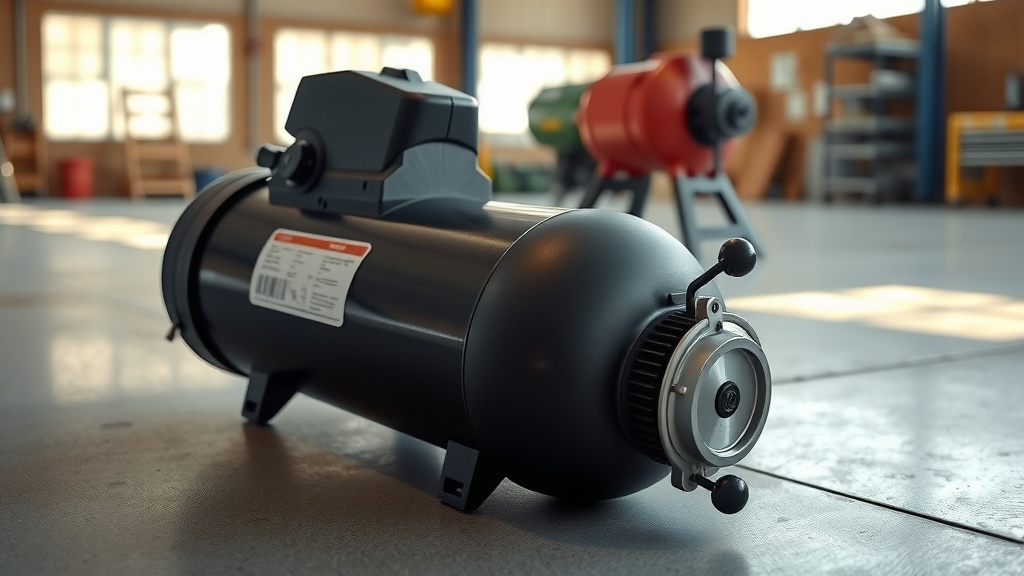
No, you generally should not lay an oil-lubricated air compressor down. Doing so can lead to oil leaks, damage internal components, and potentially cause serious operational problems.
For oil-free air compressors, you can often lay them down for transport or storage without major issues, but always check your specific model’s manual first.
- For most oil-lubricated air compressors, keeping them upright is non-negotiable to prevent oil leaks and damage.
- Oil-free models offer more flexibility and can usually be laid down, but double-check your manual.
- Always prioritize safe transport, securing the compressor to prevent movement.
- After transport, let your compressor sit upright for a period before using it, especially if it’s oil-lubricated.
Can You Lay A Air Compressor Down?
Laying down an air compressor is usually a bad idea, especially if it’s an oil-lubricated model. It can cause messy leaks and internal damage. For oil-free types, you might have more leeway.
Why Laying Down an Air Compressor is Risky
Imagine a fish tank filled with water. If you tip it over, the water spills out. An oil-lubricated air compressor is similar but with oil. The oil needs to stay in its reservoir to lubricate moving parts.
When you lay it down, that oil can escape its intended area. It might travel into the air lines, the pump head, or even leak outside the machine. This creates a mess and can damage your compressor.
The Problem with Oil Leaks
Oil leaks are the biggest concern. Compressor oil can seep into places it doesn’t belong. This includes the air tank or air discharge lines. This oil can then contaminate your tools and projects.
We found that oil entering the air system can clog tools. It can also cause paint sprayers to sputter, ruining your finish. No one wants an oil-splattered workshop, right?
Understanding Compressor Types
Not all air compressors are created equal. Knowing your compressor type helps you understand how to handle it. There are two main categories: oil-lubricated and oil-free.
Oil-Lubricated Compressors
These compressors use oil to lubricate their pistons and other moving parts. This oil reduces friction and heat. Think of it like the oil in your car’s engine. It’s vital for smooth operation and longevity.
These models typically have a visible oil fill cap and a dipstick. The oil reservoir usually sits at the bottom of the pump. Many experts say these models must stay upright (OSHA guidelines often imply this for safe handling).
Oil-Free Compressors
Oil-free compressors use permanently lubricated parts or special coatings. They don’t need oil in their pump. This means less maintenance for you. They’re also often lighter and quieter.
Because there’s no oil to spill, these models are more forgiving. You can usually lay them on their side. However, always check the manufacturer’s instructions first. Some still have specific transport guidelines.
Potential Damage from Incorrect Positioning
Beyond leaks, improper positioning can cause other issues. Even if oil doesn’t visibly spill, it can move to the wrong places internally. This affects performance and lifespan.
The oil might flood the piston chamber. This can create a hydro-lock effect when you start the compressor. This is like trying to compress a liquid, which isn’t possible. It can strain or even damage the motor.
- Oil entering the check valve, causing it to stick.
- Contamination of the air tank, leading to rust.
- Damage to seals and gaskets from oil displacement.
- Reduced pump efficiency due to improper lubrication after re-orientation.
Transporting Your Air Compressor Safely
So, you need to move your air compressor. How do you do it correctly? The key is planning and caution. Treat it like a valuable, fragile appliance.
For Oil-Lubricated Models
Always keep these upright. Use straps or bungee cords to secure it in your vehicle. Make sure it cannot tip over during turns or stops. If you can, drain the oil before transport (as some manuals suggest).
After transport, let the compressor sit upright for a while. This allows any shifted oil to settle back into the reservoir. A good rule of thumb is 15-30 minutes, or even an hour for larger units (we found this recommended by many manufacturers).
For Oil-Free Models
These are more forgiving. You can often lay them on their side. Still, secure them properly to prevent bouncing and shifting. Excessive vibration can loosen components.
Once you reach your destination, set it upright. It’s a good practice, even for oil-free models. This ensures all parts are properly seated before operation.
Checking Your Compressor Manual
This is perhaps the most important tip of all. Your compressor’s manual is your best friend. It contains specific instructions for your model. Manufacturers know their machines best.
We found that manuals often have sections on “Transportation” or “Storage.” They will tell you exactly what you can and cannot do. Ignoring it is like ignoring a doctor’s advice for your health!
When to Drain the Oil (If Applicable)
Some manufacturers recommend draining the oil for long-distance transport. This completely removes the risk of spills. It’s a bit more work, but it offers peace of mind.
If you drain the oil, remember to refill it completely before use. Use the correct type and amount of oil. The manual will specify this. Running a compressor without oil will quickly destroy the pump.
Key Takeaways for Moving Your Compressor
Let’s sum up the essential steps to protect your air compressor during a move.
| Compressor Type | Transport Position | Post-Transport Action |
|---|---|---|
| Oil-Lubricated | Always Upright (secure firmly) | Let sit upright for 15-60 min before use. |
| Oil-Free | Can be laid down (check manual), but upright is best. | Set upright, no significant wait needed (still good practice). |
Pre-Transport Checklist
Before you even lift your compressor, consider these steps.
- Read your owner’s manual for specific instructions.
- Drain the air tank completely by opening the drain valve.
- Unplug the compressor from its power source.
- Secure all hoses and attachments to prevent snagging.
- Consider draining the oil for oil-lubricated models if moving long distances.
- Plan your path for moving it safely.
Conclusion
Knowing whether you can lay an air compressor down really depends on its type. For oil-lubricated models, the answer is a firm no; keep them upright to avoid messy leaks and internal damage. Oil-free compressors are more flexible, but always consult your specific manual to be absolutely sure.
Prioritizing safe transportation and proper re-orientation after a move will help ensure your compressor continues to serve you well. A little caution can save you a lot of hassle and repair costs. You’re protecting your investment!
What happens if I lay an oil-lubricated air compressor on its side?
If you lay an oil-lubricated air compressor on its side, oil can leak out of the crankcase or travel into the pump head, air lines, or even the air tank. This causes a mess, contaminates the air output, and can damage internal components or the motor.
Can I lay down a small pancake air compressor?
Many small pancake air compressors are designed to be oil-free, which generally means they can be laid down for transport or storage. However, always check the specific manual for your model to confirm. Some designs might still have considerations for positioning.
How long should an air compressor sit upright after being transported on its side?
If an oil-lubricated air compressor was inadvertently transported on its side, you should let it sit upright for at least 30 minutes to an hour before operating it. This allows any oil that shifted to drain back into the proper reservoir, reducing the risk of damage upon startup.
Is it ever okay to store an air compressor on its side?
Storing an air compressor on its side is generally only okay for oil-free models, as there is no oil to leak or shift. For oil-lubricated compressors, long-term storage on its side is not recommended due to the high risk of leaks, damage to seals, and component contamination.
Does temperature affect how I should transport my air compressor?
While the primary concern is usually the compressor’s orientation, extreme temperatures can affect rubber components and oil viscosity. In very cold weather, oil might become thicker, making it less likely to leak quickly, but it also takes longer to settle. Always allow your compressor to reach a stable temperature before use after transport in extreme conditions.
