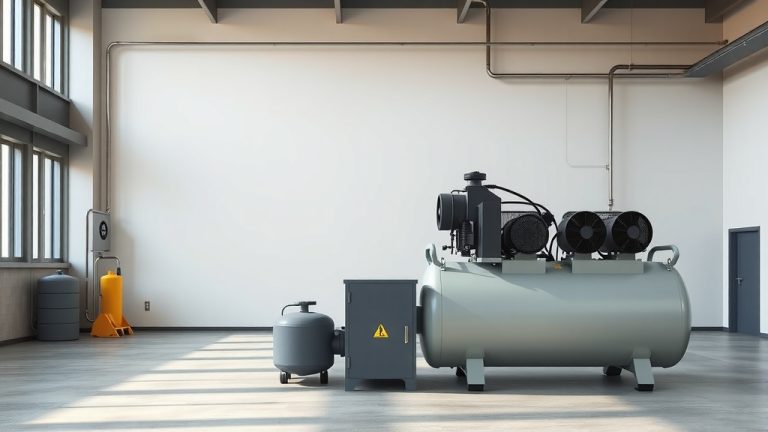
How An Air Compressor Works?
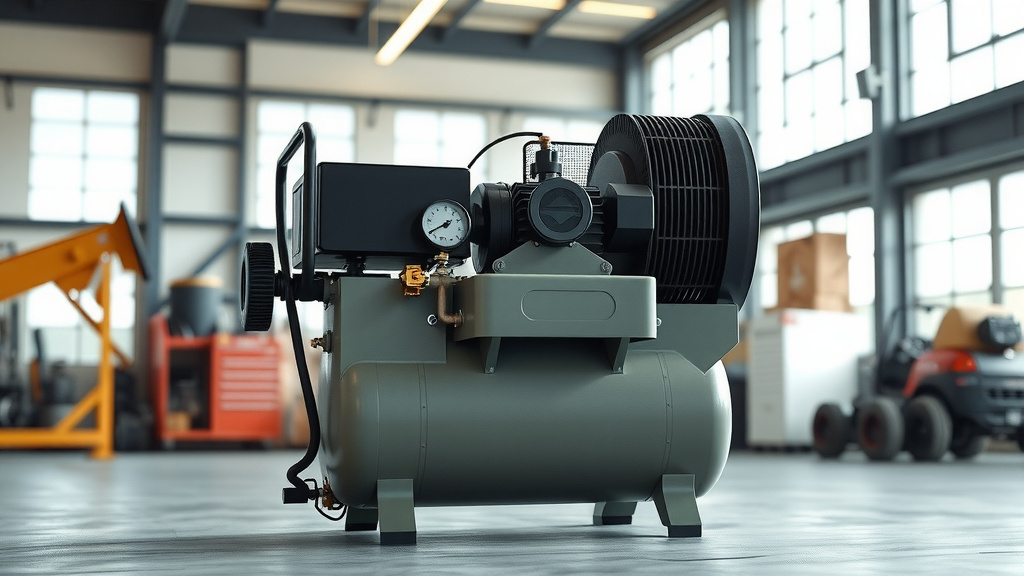
An air compressor works by taking in ambient air and then squeezing it into a smaller volume, increasing its pressure and storing it in a tank. This stored, high-pressure air can then power various tools and equipment when released.
Essentially, an air compressor converts power, usually from an electric motor or gas engine, into potential energy stored in pressurized air. It’s like inflating a balloon, but on a much larger and more powerful scale for practical work.
Here’s a quick overview of what you’ll find in this guide:
- Air compressors draw in air and compress it.
- This compressed air is stored in a tank.
- Stored air then powers different tools.
- Various types exist for home and industry.
- Regular care keeps your compressor working well.
How An Air Compressor Works?
An air compressor functions by drawing in air and then compacting it into a smaller space. This action builds up pressure, which is then held until you need it. It’s a pretty clever system, really.
The Basic Principle: Sucking Air In
Think of your air compressor as a big breath-taker. First, it pulls in air from its surroundings through an intake valve. This air is at normal atmospheric pressure, just like the air you breathe every day.
This initial step is important because without enough air to start with, there would be nothing to compress. It’s the foundation of the entire process, readying the air for its transformation.
Squeezing Air: The Core Mechanism
After intake, the real magic happens: compression. The compressor’s motor drives a pump that physically squeezes this air. As air gets pushed into a smaller volume, its pressure increases dramatically.
This is where the compressor truly earns its name. Imagine stuffing many feathers into a small box; they become much denser. Air behaves similarly, but with pressure.
Piston Power: Reciprocating Compressors
Many common compressors use pistons, much like a car engine. A piston moves up and down inside a cylinder, pulling air in on the downstroke. Then, it pushes the air out on the upstroke through an exhaust valve.
These are often called “reciprocating” compressors because of the piston’s back-and-forth motion. They are very popular for home garages and smaller workshops (Engineering Principles).
Rotary Motion: Screw Compressors
Other compressors use rotating screws instead of pistons. Two interlocking helical screws spin, trapping air between them. As they turn, the space for the air shrinks, causing compression.
Rotary screw compressors typically run quieter and deliver a steady flow of air. Many large industrial operations rely on them for continuous, heavy-duty work (Industry Experts).
Storing Power: The Receiver Tank
Once the air is compressed, it doesn’t go straight to your tools. Instead, it’s stored in a large, sturdy tank, often called a receiver tank. This tank acts like a battery for air.
The tank holds the pressurized air until you’re ready to use it. This storage capacity helps maintain a consistent pressure for your tools. It also allows the compressor motor to rest.
Ready for Action: The Outlet and Tools
When you attach an air tool, the stored, high-pressure air gets released. It flows out of the tank, through hoses, and into your chosen device. This sudden release of energy powers the tool.
Regulators help you control the exact pressure delivered to your tools. This ensures you have the right amount of power without overpowering your equipment or wasting energy.
Why Does Compressed Air Matter to You?
You might wonder why all this air squeezing is even useful. Compressed air is an incredibly versatile energy source. It’s clean, safe, and powerful, making many jobs easier and faster.
Think of it as invisible muscle power. From inflating tires to powering impact wrenches, compressed air helps get things done. It truly has a wide range of applications.
Everyday Uses Around Your Home
At home, an air compressor can be a fantastic helper. Do you need to inflate car tires or bicycle tires? An air compressor makes quick work of it. It’s far quicker than a hand pump.
Many homeowners use them for painting with a spray gun or for powering nail guns for DIY projects. It really speeds up tasks that would otherwise take ages.
How Industries Rely on Air Power
In manufacturing, air compressors are often the heartbeat of the factory. They power everything from robotic arms to assembly line tools. Many complex machines use compressed air for control systems.
Automotive shops use them for impact wrenches to remove lug nuts or for paint sprayers. Even dentists use tiny air compressors for their drills. The list is truly endless (Occupational Safety Guidelines).
Understanding Different Air Compressor Types
Knowing the basic operation is one thing, but different types suit different needs. The main distinction often lies in how they compress the air and what their best uses are. Let’s look at a few.
| Feature | Reciprocating (Piston) Compressor | Rotary Screw Compressor |
|---|---|---|
| Operation Method | Piston moves up/down in cylinder | Two helical screws rotate |
| Air Flow | Intermittent, pulsed delivery | Continuous, steady delivery |
| Noise Level | Generally louder | Generally quieter |
| Best Use | Home, small shops, intermittent use | Industrial, continuous, heavy use |
| Maintenance | Higher piston/valve wear | Less wear, longer lifespan |
Key Components of Your Air Compressor
To really appreciate how an air compressor works, it helps to know its main parts. Each component plays a vital role in its overall function. Here’s a quick checklist:
- Motor: Provides the power to run the pump.
- Pump: The core part that compresses the air.
- Receiver Tank: Stores the pressurized air.
- Pressure Switch: Turns the motor on and off to maintain tank pressure.
- Pressure Regulator: Controls air pressure going to your tools.
- Safety Valve: Releases excess pressure to prevent tank overfilling.
- Air Filter: Cleans incoming air, protecting internal parts.
Keeping Your Compressor Running Smoothly
Just like any other machine, an air compressor needs a little love to perform at its best. Regular care ensures longevity and efficient operation. You wouldn’t neglect your car, right?
Many experts say that simple preventative measures can prevent costly repairs. A well-maintained compressor runs more reliably. It also delivers consistent power when you need it.
Important Maintenance Tasks You Should Know
Taking care of your compressor isn’t complex, but it is important. Here are some basic maintenance steps you should always remember:
- Drain the tank: Condensed water builds up. Drain it regularly to prevent rust.
- Check oil levels: If your compressor is oil-lubricated, check and change the oil.
- Inspect air filter: Clean or replace it often to keep air intake clear.
- Look for leaks: Check hoses and connections for any air escaping.
- Test safety valve: Ensure it works correctly to release excess pressure.
Conclusion
So, you’ve learned that an air compressor is a clever device that takes ordinary air and turns it into a powerful, versatile energy source. It works by sucking in air, squeezing it with a pump, and then storing it under high pressure in a tank.
Whether for a small home project or a large industrial operation, compressed air makes many tasks simpler and more efficient. Understanding how it works helps you choose the right one and keep it running for years to come. It’s a tool that truly brings power right to your fingertips.
FAQs About Air Compressors
What is the main purpose of an air compressor?
The main purpose of an air compressor is to convert power from a motor or engine into kinetic energy stored in pressurized air. This stored energy can then power various pneumatic tools and machinery for different applications.
How does a compressor build pressure?
A compressor builds pressure by taking a larger volume of ambient air and forcing it into a much smaller space. This physical compression increases the density of the air molecules, which in turn raises the air’s pressure inside the system.
Are all air compressors the same?
No, air compressors are not all the same. They come in various types, sizes, and designs, such as reciprocating (piston) and rotary screw compressors. Each type is suited for different usage levels, from small DIY tasks to continuous industrial operations.
Why is draining the air tank important?
Draining the air tank is vital because compressing air creates condensation, leading to water accumulation inside the tank. Regular draining prevents rust and corrosion inside the tank, extending the compressor’s lifespan and ensuring cleaner air delivery.
What powers an air compressor?
Air compressors are typically powered by either an electric motor or a gas engine. Electric models are common for indoor and smaller applications, while gas-powered compressors offer portability and are often used for outdoor or heavy-duty tasks where electricity might not be readily available.