How To Use Air Compressor For Tires At Gas Station?
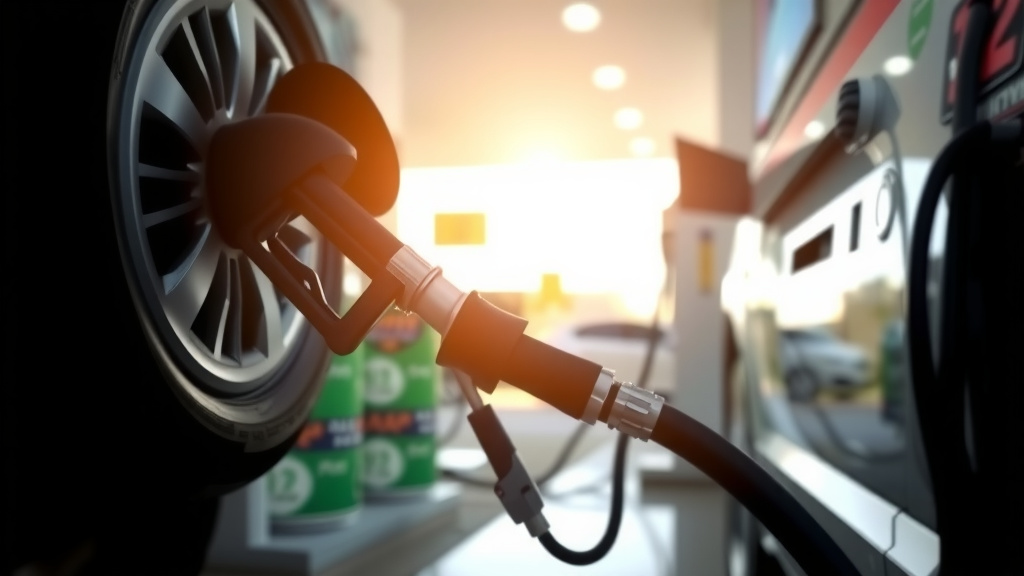
Using an air compressor for tires at a gas station involves parking safely, finding your car’s recommended tire pressure, preparing your tire’s valve stem, and then connecting the air chuck firmly to inflate the tire to the correct PSI.
Always check your tire pressure when tires are cold for the most accurate reading, typically before driving or after the car has been stationary for a few hours.
- First, understand your car’s specific tire pressure needs (PSI) from the driver’s side door jamb.
- Locate the air compressor at the gas station and prepare your tire’s valve stem by unscrewing its cap.
- Firmly attach the air chuck onto the valve stem, ensuring a tight seal to prevent air leaks.
- Inflate your tire in short bursts, regularly checking the pressure with the built-in or a separate gauge until it matches your car’s recommended PSI.
- Once done, remove the air chuck quickly and securely replace the valve cap to prevent dirt and leaks.
How To Use Air Compressor For Tires At Gas Station?
Using a gas station air compressor for your tires is simpler than you might think. It’s about knowing a few key steps to keep your ride smooth and safe.
Maintaining correct tire pressure is vital for your safety, fuel economy, and the lifespan of your tires. We found that underinflated tires are a common problem that many drivers face (National Highway Traffic Safety Administration).
Why Tire Pressure Truly Matters for You
Have you ever thought about why tire pressure is such a big deal? It’s not just a minor detail.
When your tires are properly inflated, they help your car handle better, stop faster, and even save you money on gas. Think of it like a good pair of shoes; they just perform better when fitted right.
Research suggests that correct tire pressure can improve fuel efficiency by up to 3% (U.S. Department of Energy). That’s like a little bonus every time you fill up!
Finding Your Car’s Perfect PSI
Before you even touch an air compressor, you need to know your specific tire pressure. Where do you find this magic number?
Look for a sticker inside your driver’s side door jamb. It’s usually a small, silver label with numbers for both front and rear tires. You might also find it in your owner’s manual.
Never rely on the PSI written on the tire sidewall. That number is the maximum pressure the tire can hold, not what your car needs.
Pre-Inflation Checklist: What to Do First
A little preparation goes a long way. Before you pull up to the air compressor, take a moment to get ready.
It makes the whole process smoother and faster. Imagine trying to bake without all your ingredients ready; it’s just messy!
- Park your car safely near the air compressor.
- Turn off your engine and engage the parking brake.
- Locate all four tire valve stems.
- Unscrew the valve caps and keep them in a safe place, like your pocket.
- Have your tire pressure gauge ready, even if the compressor has one.
Navigating the Gas Station Air Compressor
Gas station air compressors come in different styles. Some have a simple hose, while others have a digital display where you preset your desired PSI.
Most common are the coin-operated machines, though many stations offer free air now. Look for the “Air” or “Air/Water” sign.
Understanding the Air Chuck
The air chuck is the part you attach to your tire valve. It usually has a lever or a clamp. When you press it, air flows.
Sometimes they can be a bit finicky. You want a tight seal to prevent air from escaping while you inflate.
Your Step-by-Step Guide to Filling Tires
Alright, you’re ready! Here’s the detailed, friendly guide to getting those tires just right.
Step 1: Locate and Remove the Valve Cap
Your tire’s valve stem is usually a small rubber or metal stick poking out from the wheel. It will have a little cap on it.
Unscrew this cap carefully. It protects the valve from dirt and moisture. Keep it somewhere secure so you don’t lose it.
Step 2: Attach the Air Chuck Firmly
This is the most crucial part. Take the air chuck and press it firmly onto the valve stem.
You might hear a hiss of air escaping at first. Push harder or adjust the angle until the hissing stops, creating a tight seal. Many experts say this firm connection prevents inaccurate readings and lost air.
Step 3: Inflate in Short Bursts and Monitor
If your compressor allows you to preset the PSI, do that and let the machine work. If it’s a manual one, press the lever or button to start the airflow.
Inflate in short, 5-second bursts. Release the lever and use your tire gauge to check the pressure. Repeat until you reach your target PSI.
Step 4: Adjusting If Needed
Did you accidentally put in too much air? No worries, it happens!
Most air chucks have a small pin on the side or back. You can press this gently against the valve stem to release a little air. Recheck your pressure after each release.
Step 5: Remove the Chuck and Replace the Cap
Once you’ve hit your target pressure, quickly pull the air chuck off the valve stem. You’ll hear a small puff of air, which is normal.
Immediately screw the valve cap back on tightly. This simple action helps keep your tires properly inflated longer and protects the valve.
A Quick Comparison: Under vs. Over-Inflation
It’s a balancing act! Here’s a brief look at why neither extreme is good for your tires or your driving experience.
| Condition | Impact on Your Car | What You Might Notice |
|---|---|---|
| Underinflated | Reduced fuel efficiency, faster tire wear (edges), increased heat buildup, poor handling. | Sloppy steering, feeling like driving on sponges, tires look ‘flat’. |
| Overinflated | Harsher ride, faster tire wear (center), reduced traction, increased risk of blowouts. | Bumpy ride, less grip, tires feel ‘hard’. |
When to Check Your Tire Pressure
Timing matters! We found that checking your tire pressure at least once a month is a good habit to develop (Rubber Manufacturers Association).
Always try to check them when your tires are “cold.” This means before you’ve driven more than a mile or two, or after your car has been parked for several hours. Driving heats up the air inside your tires, giving you an artificially high reading.
Common Roadblocks and Quick Fixes
Sometimes, things don’t go perfectly. Don’t let a small hiccup ruin your day.
What if the compressor isn’t working? Or if air is leaking out while you try to fill?
Air Leaking Around the Chuck
This is usually due to a poor connection. Press the air chuck onto the valve stem with more force.
Sometimes, wiggling it slightly can help create a better seal. If it still leaks, the compressor’s chuck might be worn out.
Compressor Not Turning On
First, check if it’s a coin-operated machine and you’ve inserted coins. If it’s free, look for a power button.
If it’s still not working, it might be out of order. Sadly, sometimes you just need to find another station.
No Air Flowing
Make sure the hose isn’t kinked. Also, some compressors have a trigger or lever you need to hold down continuously for air to flow.
If all else fails, the compressor might be broken. It’s a bummer, but safety first.
Considering a Portable Air Compressor
For convenience, many people opt for a portable air compressor. These plug into your car’s 12V outlet (like the cigarette lighter).
They offer the flexibility to check and fill your tires anytime, anywhere. Many experts say a portable compressor is a worthwhile investment for peace of mind, especially for road trips.
Conclusion
Keeping your tires properly inflated is a small task with big rewards for your safety, wallet, and driving experience. Using a gas station air compressor can feel a bit daunting at first, but with these steps, you’re now well-equipped.
Remember to always know your car’s correct PSI, connect the air chuck firmly, and check your pressure regularly. You’re not just filling tires; you’re taking care of your vehicle and yourself on the road.
How do I know my car’s correct tire pressure?
You can find your car’s recommended tire pressure on a sticker usually located inside the driver’s side door jamb, or by checking your vehicle’s owner’s manual. Do not use the maximum pressure listed on the tire’s sidewall.
Is it better to check tire pressure hot or cold?
It is always best to check tire pressure when your tires are “cold.” This means before you’ve driven more than a mile or two, or after your car has been parked for at least three hours. Driving heats the air inside the tires, which can give you an inaccurately high reading.
What if I overinflate my tires at the gas station?
If you accidentally put too much air in your tires, you can easily release some of the air. Most air chucks or tire gauges have a small pin that can be used to press down on the valve stem to let air out. Release a little air at a time and recheck the pressure until it matches your car’s recommended PSI.
How often should I check my tire pressure?
Many automotive experts recommend checking your tire pressure at least once a month, and always before long road trips. Regular checks help ensure optimal safety, handling, and fuel efficiency.
What should I do if the gas station air compressor isn’t working?
If a gas station air compressor isn’t working, first check for power or coin slots if applicable. If it still doesn’t operate, it’s likely broken. Your best course of action is to find another gas station with a working compressor or consider investing in a portable tire inflator for future convenience.