How To Use ARB Air Compressor?
To use an ARB air compressor, you generally connect it to your vehicle’s 12V power, attach the air hose to your tire valve, and then activate the compressor to inflate your tires or power air tools.
Proper usage of your ARB air compressor involves understanding its specific model, ensuring correct connections, and following safety guidelines for efficient operation.
- Your ARB compressor provides reliable air power for tires and tools.
- Start by connecting it safely to a 12V power source.
- Always use the correct fittings for tire inflation or air tools.
- Regular checks and basic maintenance extend its lifespan.
- Safety is key; never leave an operating compressor unattended.
How To Use ARB Air Compressor?
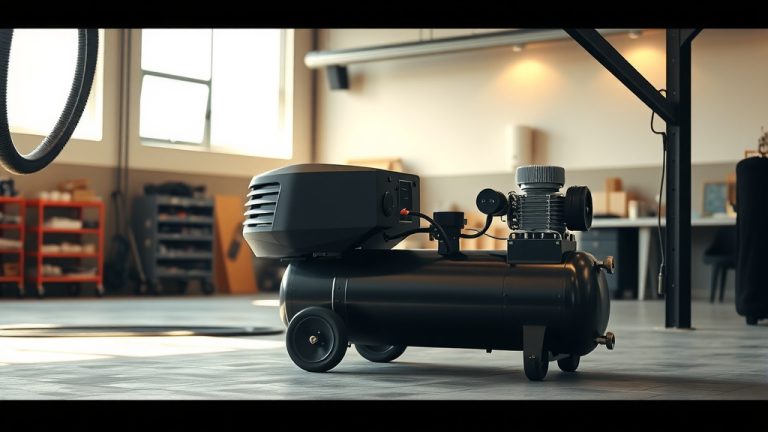
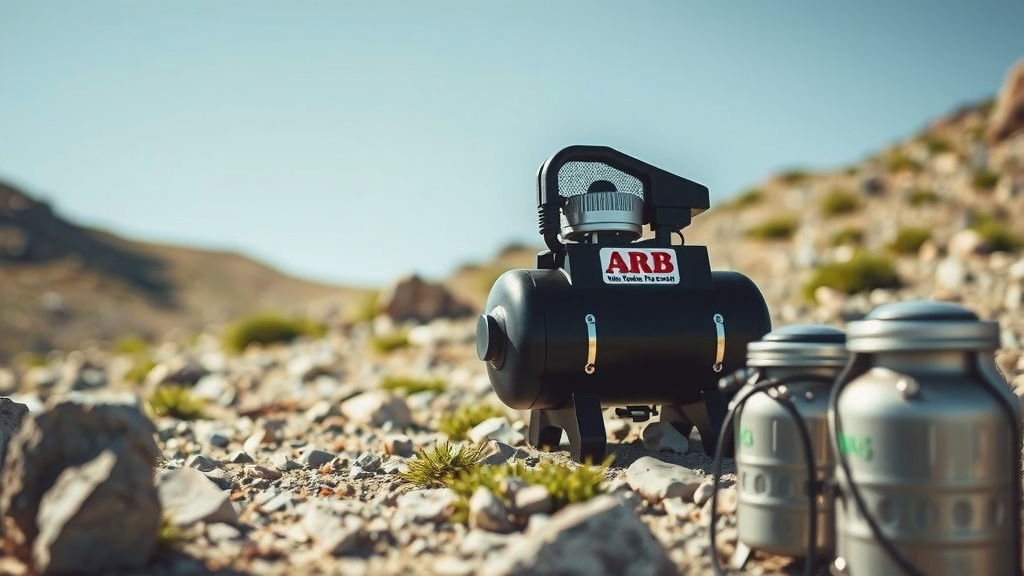
An ARB air compressor is a rugged and portable solution for off-roaders and outdoor enthusiasts, primarily for inflating tires and running small air tools in remote locations. It’s designed for easy setup and reliable performance wherever your adventures take you.
Why Choose an ARB Compressor for Your Adventures?
You might wonder why so many off-roaders swear by ARB. We found that ARB compressors are built for tough conditions, offering consistent air output when you need it most. They are a true workhorse, whether you’re airing down for the trail or fixing a flat.
Research shows these compressors handle dust, dirt, and water splashes remarkably well (ARB Manufacturer Information). This durability is key when you are far from home, making them a trusted companion.
Getting Your ARB Compressor Ready for Action
Before you power up, take a moment to get familiar with your specific ARB model. Each model might have slightly different features, but the core setup remains simple. Think of it like learning the ropes on a new trail.
Powering Up Safely
Most ARB compressors connect to your vehicle’s 12V power source. For portable units, this might be a battery clamp connection. For on-board systems, it’s typically wired directly to your battery. Always ensure a secure connection to prevent power loss or damage.
We found that ensuring your vehicle’s engine is running while using the compressor helps maintain battery voltage. This prevents you from draining your battery, which is a common oversight.
Attaching the Air Hose and Accessories
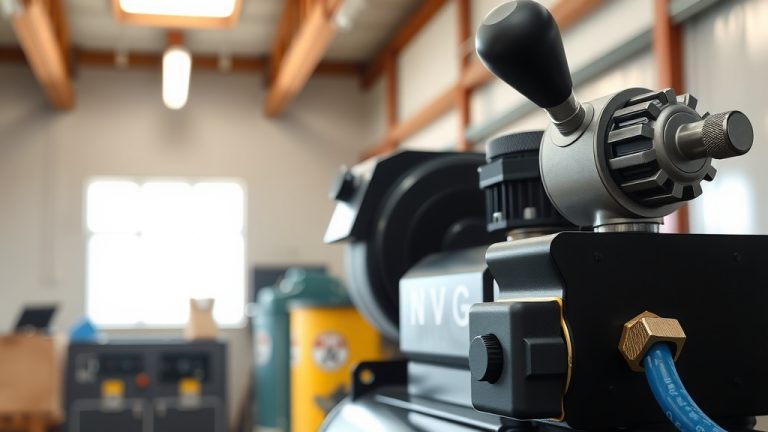
Your ARB compressor comes with a robust air hose. Connect one end to the compressor’s air outlet. The other end will connect to your chosen accessory, like a tire inflation chuck or an air tool. Listen for a solid click or ensure a tight screw connection.
It’s important to use the correct fittings for each task. Some accessories require quick-connect fittings, while others screw on. Double-check to avoid air leaks and ensure efficient operation.
Inflating Your Tires Like a Pro
This is where your ARB compressor shines! After connecting the hose, attach the air chuck firmly to your tire valve stem. You’ll likely hear a brief hiss as the connection seals. Now, you’re ready to add air.
Checking Tire Pressure with Precision
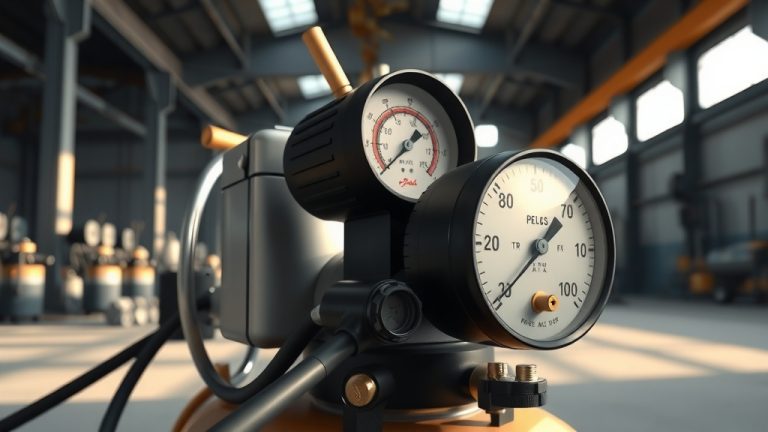
Many ARB inflation kits include a built-in pressure gauge. Before inflating, take an initial reading. This gives you a baseline. Keep an eye on the gauge as you inflate to reach your desired PSI (pounds per square inch).
Experts often suggest checking your vehicle’s door jamb or owner’s manual for recommended tire pressures (NHTSA guidelines). This is your golden number for optimal safety and performance.
Adjusting Inflation Speed
Some compressors offer different speed settings, though many are single-speed powerhouses. For general tire inflation, let the compressor do its work. It’s designed to deliver air quickly and efficiently, getting you back on the road or trail sooner.
Beyond Tires: Using Your ARB for Air Tools
Did you know your ARB compressor can also power certain air tools? This makes it incredibly versatile for field repairs or light workshop tasks. Imagine the convenience of having an air source for small jobs.
Selecting the Right Tools
Not all air tools are created equal, especially for a portable compressor. We found that ARB compressors are best suited for smaller, low-demand tools like impact wrenches, air drills, or blow guns. Think about tire repair kits or quick clean-ups.
Always check the CFM (Cubic Feet per Minute) requirements of your air tool. Your compressor’s output needs to match or exceed the tool’s demand for proper function. Matching tools to compressor capability ensures peak performance.
Keeping Your Compressor Running Smoothly
Just like your vehicle, your ARB compressor appreciates a little care. Simple steps can keep it performing well for years. A little prevention goes a long way to avoid unexpected issues on your next trip.
Essential Maintenance Steps
- Clean the air filter regularly: Dust and debris can restrict airflow. A clean filter ensures maximum efficiency.
- Check hose and fittings: Look for cracks, wear, or loose connections. Tight fittings prevent air leaks.
- Store properly: Keep your compressor in a dry, protected place when not in use. This prevents corrosion and damage.
Safety First with Your Air Compressor
Air compressors are powerful tools, so always prioritize safety. A few simple rules can prevent accidents. Treat it with respect, and it will serve you well.
We found that wearing eye protection is highly recommended when using air tools or inflating tires. Air can escape at high speeds, and you want to protect your vision (OSHA guidelines).
Common Questions About ARB Compressors
| Model | Primary Use | Key Benefit |
|---|---|---|
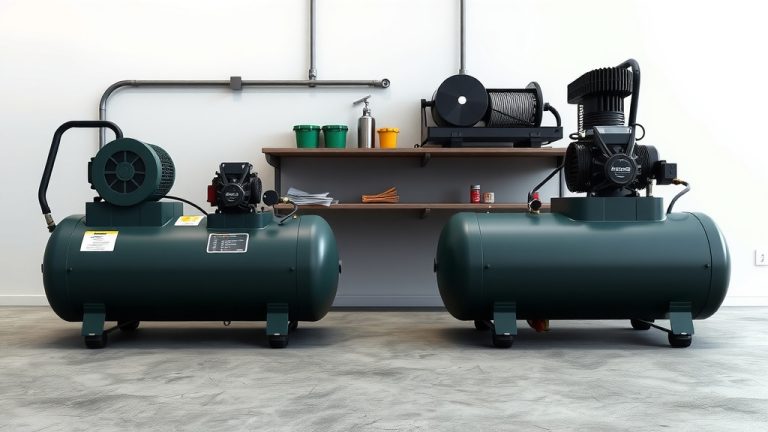
| Portable Twin | Rapid Tire Inflation, Air Tools | High output, portable |
| Single Portable | Tire Inflation, Smaller Jobs | Compact, versatile |
| On-Board Twin | Air Lockers, Heavy Use | Integrated, continuous duty |
Troubleshooting Basic Issues
Sometimes things don’t go as planned. If your compressor isn’t working, first check the power connection. Is it secure? Is your vehicle running? A common issue is a blown fuse, so check that next.
If you suspect an air leak, listen carefully for hissing sounds around the connections. A quick check of all fittings can often solve this. Most issues are simple fixes that you can handle yourself.
Pre-Operation Checklist
Before every use, run through this quick checklist. It helps ensure everything is ready and safe. A few moments now can save you headaches later.
- Is the compressor clean and free of debris?
- Are all electrical connections tight and secure?
- Is the air hose in good condition, free of cracks?
- Are all fittings and accessories correctly attached?
- Do you have your tire pressure gauge handy?
- Are you wearing appropriate safety gear, like eye protection?
Conclusion
Using your ARB air compressor doesn’t have to be complicated. By understanding its basic functions, following safety guidelines, and performing simple maintenance, you can confidently use it for tire inflation and air tools. It’s a fantastic piece of equipment that truly helps you stay prepared for any adventure. With proper care, your ARB will be a reliable friend on countless journeys.
Can I use my ARB air compressor to run power tools?
Yes, many ARB compressors, especially the larger twin models, can power certain air tools. However, they are generally suited for smaller tools like impact wrenches for lug nuts or air drills. Always check the tool’s CFM requirement against your compressor’s output.
How often should I clean the air filter on my ARB compressor?
It’s a good practice to check and clean your air filter after every few uses, especially if you operate it in dusty or dirty environments. A clogged filter can reduce performance and potentially damage the compressor.
What should I do if my ARB compressor isn’t turning on?
First, verify that your power connections are secure and that your vehicle’s engine is running. Then, check the inline fuse. A blown fuse is a common reason for a compressor not starting. Consult your owner’s manual for fuse location and replacement.
Is it normal for my ARB compressor to get hot during use?
Yes, it’s normal for air compressors to generate heat during operation, especially during prolonged use or when inflating multiple tires. The motor and pump work hard. Allow it to cool down as needed to avoid overheating.
Can I leave my ARB on-board compressor wired permanently to my vehicle’s battery?
ARB on-board compressors are designed for permanent installation. However, we found that using a proper wiring harness with a fused circuit and relay is important. This ensures it only draws power when switched on, preventing battery drain when the vehicle is off.