How To Use Briggs & Stratton Air Compressor?
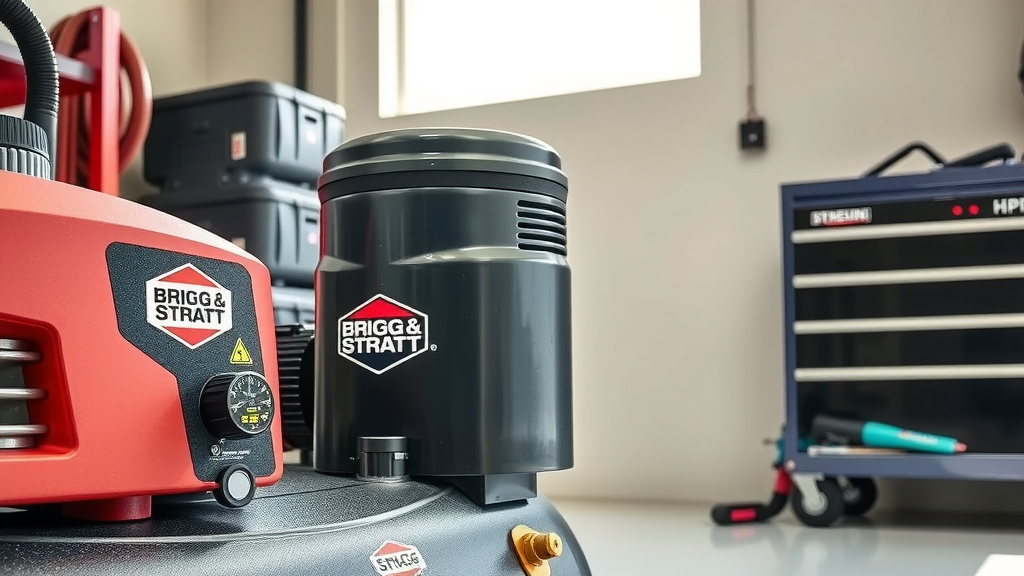
Using a Briggs & Stratton air compressor involves careful setup, understanding its controls, and following safety guidelines. You should always read your specific model’s manual first, but generally, you’ll connect a hose, plug it in, and set the desired air pressure before use.
To effectively use your Briggs & Stratton air compressor, begin by ensuring a stable, dry environment, then check oil levels and connect your air tools, always prioritizing personal safety gear like eye protection.
Here’s a quick overview of what you’ll find in this guide:
- Discover how to set up your Briggs & Stratton air compressor safely.
- Learn the essential steps to operate your unit for various tasks.
- Understand basic maintenance to keep your compressor running smoothly.
- Get practical tips for common air tool applications.
- Find answers to frequently asked questions about your compressor.
How To Use Briggs & Stratton Air Compressor?
Using your Briggs & Stratton air compressor is straightforward once you know the basics. It’s all about preparation, understanding your machine, and putting safety first.
Safety First: Your Most Important Step
Before you even think about plugging in your compressor, safety must be your top priority. Air compressors are powerful tools, and respecting them prevents accidents.
Always wear safety glasses or goggles to protect your eyes from debris. We found that ear protection, like earmuffs or earplugs, is also very important. Compressors can be quite loud, especially during operation.
Consider wearing work gloves to protect your hands. Ensure you work in a well-ventilated area to avoid inhaling any fumes from the motor or any paint you might be spraying. Is your workspace clear and free of trip hazards?
Understanding Your Compressor’s Parts
Before starting, take a moment to familiarize yourself with your specific Briggs & Stratton model. Locate the pressure gauge, air outlet, drain valve, and power switch.
Knowing where these components are will make operation much smoother. Many experts say that a quick glance at your user manual clarifies any unique features your model might have (Briggs & Stratton documentation).
Initial Setup: Getting Started Right
Setting up your compressor properly ensures its longevity and safe operation. It’s like preparing for a recipe; getting the ingredients ready makes cooking easy.
Place your compressor on a flat, stable surface. This prevents it from tipping over or vibrating excessively. We found that a garage floor or concrete pad works perfectly.
Ensure the compressor is far enough from walls or other objects. It needs good airflow to prevent overheating, especially the motor.
Checking the Oil Level (If Applicable)
Does your Briggs & Stratton model use oil? Many piston compressors do. Always check the oil level before each use, or at least before long sessions.
Low oil can cause significant damage to the pump. We found that most models have a dipstick or a sight glass to easily check the level. If it’s low, add the recommended type of compressor oil, never motor oil.
Connecting Your Air Hose and Tools
This is where your compressor starts to become useful. Think of the air hose as the bridge between your compressor and your air tools.
Attach the air hose securely to the compressor’s air outlet. Many hoses use a quick-connect fitting; simply push it on until it clicks into place. Is it secure?
Next, connect your desired air tool to the other end of the hose. Again, most tools use a quick-connect fitting. Double-check all connections to prevent air leaks.
Powering On and Building Pressure
Ready for some compressed air? Plug your compressor into a grounded electrical outlet. Make sure the outlet can handle the compressor’s power requirements.
Flip the power switch to the “ON” position. You’ll hear the motor start and the pump begin to build air pressure. Watch the pressure gauge as it rises.
The compressor will run until it reaches its maximum cut-out pressure, then it will shut off automatically. This is normal operation.
Adjusting Air Pressure for Your Task
Different air tools and tasks require different air pressure. For instance, inflating tires needs less pressure than operating an impact wrench.
Use the pressure regulator knob, usually located near the air outlet, to adjust the working pressure. Turn it clockwise to increase pressure and counter-clockwise to decrease it.
Many tool manufacturers specify the optimal PSI (pounds per square inch) in their manuals. Always refer to these recommendations for best results.
Here’s a handy guide for common air tool pressures:
| Air Tool/Task | Recommended PSI |
|---|---|
| Tire Inflation (Car) | 30-35 PSI |
| Nailer/Stapler | 70-90 PSI |
| Impact Wrench | 90-100 PSI |
| Blow Gun | 20-50 PSI |
| Paint Sprayer | 25-60 PSI (HVLP) |
Operating Your Air Compressor and Tools
With everything set, you’re ready to work! Engage your air tool as needed for your project. The compressor will cycle on and off to maintain the set pressure.
Listen for any unusual noises or air leaks. A hissing sound usually means a loose connection or a damaged hose. Addressing these quickly saves air and energy.
Post-Use Procedures: Winding Down
Once your task is complete, don’t just walk away. Proper shutdown ensures your compressor remains in good condition.
First, turn off the compressor’s power switch and unplug it from the outlet. Safety first, right?
Then, drain the air tank. This is absolutely critical. Moisture collects in the tank, leading to rust. Most models have a drain valve at the bottom of the tank. Open it slowly to release air and water.
Release all the air until the tank is empty. It’s like letting the air out of a balloon after a party. Close the drain valve afterwards.
Essential Maintenance for Longevity
Like any machine, your Briggs & Stratton air compressor thrives on regular care. We found that a few simple steps extend its life considerably.
Regularly check and clean the air filter. A clogged filter makes the motor work harder. Replace it when it looks dirty or damaged.
For oil-lubricated models, change the oil according to your manual’s schedule. Clean oil keeps the pump components well-lubricated and cool.
Inspect hoses and fittings for wear and tear. Replace any cracked or frayed hoses. A little preventative care goes a long way!
Quick Pre-Operation Checklist
Before you power up, a rapid check can save headaches. It’s like a pilot’s pre-flight routine, just much simpler!
- Are your safety glasses and ear protection ready?
- Is the compressor on a stable, level surface?
- Have you checked the oil level (if applicable)?
- Are all hose connections secure and free of leaks?
- Is the drain valve closed from previous use?
Conclusion
Using your Briggs & Stratton air compressor doesn’t have to be complicated. By following these straightforward steps for setup, operation, and maintenance, you’ll maximize its potential and ensure many years of reliable service.
Remember, your owner’s manual is your best friend for model-specific details. With a little care and attention, your air compressor will be a fantastic partner for all your DIY and workshop projects.
What kind of oil should I use for my Briggs & Stratton air compressor?
You should always refer to your specific Briggs & Stratton air compressor’s owner’s manual for the exact type and weight of oil. Generally, many manufacturers recommend an SAE30 non-detergent air compressor oil or a synthetic compressor oil for optimal performance and longevity.
How often should I drain the air tank on my compressor?
It is recommended to drain the air tank after every single use. Water naturally condenses inside the tank during operation, and failing to drain it regularly will lead to rust, tank corrosion, and potentially dangerous structural weakening over time. This is a critical maintenance step.
Why does my air compressor keep cycling on and off?
An air compressor cycling on and off frequently, even when you’re not using tools, often indicates an air leak. Check all hose connections, fittings, and the tank itself. Sometimes, a faulty pressure switch or a stuck check valve can also cause this behavior, signaling it’s time for a closer look or professional service.
Can I use an extension cord with my air compressor?
Using an extension cord with an air compressor is generally not recommended unless absolutely necessary, and then only with specific considerations. If you must use one, it should be a heavy-duty, outdoor-rated cord that is as short as possible and has the correct gauge (thickness) for the compressor’s amperage requirements to prevent voltage drop and motor damage. Consult your manual for minimum gauge requirements.
What pressure should I set for inflating car tires?
For inflating car tires, you should set the air pressure according to the manufacturer’s recommendations for your vehicle, usually found on a sticker inside the driver’s side door jamb or in your car’s owner’s manual. This is typically between 30 and 35 PSI for most passenger cars, but always check your specific vehicle’s requirements.