How To Use DeWalt 6 Gallon Air Compressor?
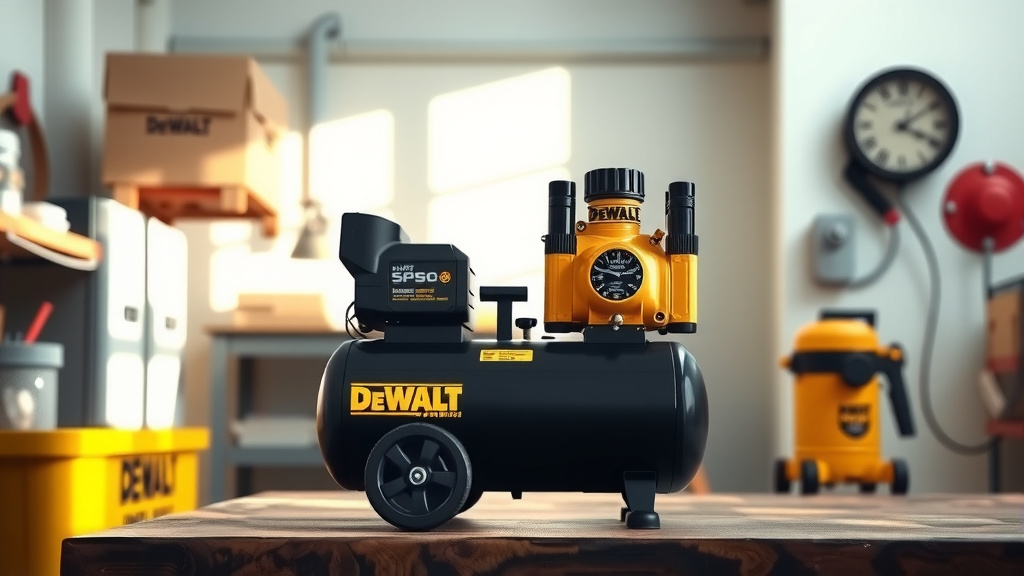
To use your DeWalt 6-gallon air compressor, first connect your air hose and preferred tool, then plug the unit into a grounded outlet. Adjust the regulator to your tool’s required PSI after the tank builds full pressure.
Always ensure proper ventilation and wear safety gear like eye and ear protection before operating your DeWalt 6-gallon air compressor for any project.
- Get started quickly with your DeWalt 6-gallon air compressor by understanding its basic setup.
- Connecting your air hose and tools is simple, but choosing the right attachments matters for your project.
- Learn how to power up, adjust pressure, and perform essential maintenance for lasting performance.
- Discover the range of tasks you can tackle, from inflating tires to powering nail guns.
- Troubleshooting common issues is easy with a few quick tips, keeping your projects on track.
How To Use DeWalt 6 Gallon Air Compressor?
Using your DeWalt 6-gallon air compressor is straightforward, designed for homeowners and professionals alike. This guide will walk you through setup, operation, and care, making your projects much easier.
Getting Started: Unboxing Your DeWalt Compressor
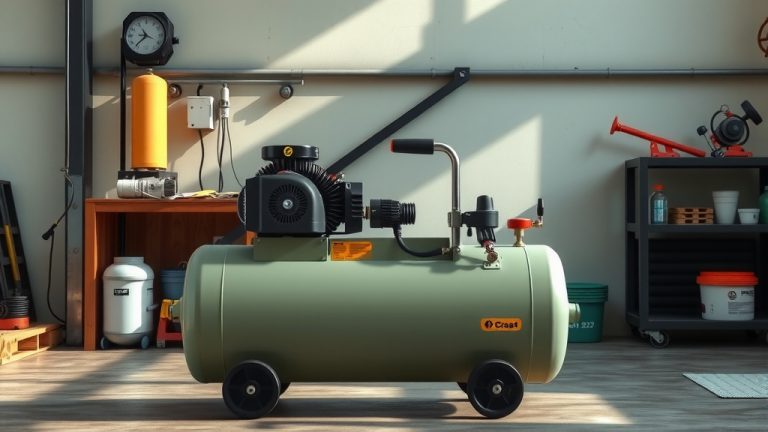
When you first get your DeWalt 6-gallon air compressor, it feels a bit like opening a new toy, doesn’t it? Take a moment to inspect for any shipping damage. Most units are robust, but a quick check gives peace of mind. Find a flat, stable surface for operation; this helps prevent tipping.
Safety First, Always!
Before you even think about plugging it in, let’s talk safety. This isn’t just a suggestion; it’s a rule of thumb for powerful tools. We’ve found that proper precautions prevent most accidents (OSHA guidelines). Here’s a quick checklist:
- Wear eye protection (safety glasses or goggles).
- Use ear protection (earplugs or earmuffs).
- Ensure adequate ventilation in your workspace.
- Keep children and pets away from the operating area.
- Read your compressor’s manual for specific warnings.
Connecting Your Air Hose and Tools
This is where the magic begins. Your compressor needs an air hose, which typically connects via a quick-connect coupler. Just push the collar back on the coupler, insert the hose fitting, and release the collar to lock it. It should click securely into place.
Choosing the Right Air Tool
Now, what project are you tackling? Inflating tires, driving nails, or dusting off your workbench? Each task requires a different tool. Ensure your chosen air tool is compatible with your compressor’s capabilities. Many experts say a 6-gallon tank is ideal for intermittent use with most household tools.
Powering Up Your Compressor
With your hose and tool connected, it’s time for power. Plug the compressor into a grounded electrical outlet. Your DeWalt unit often has a simple on/off switch. Flip it, and you’ll hear the motor hum as it starts building pressure. It sounds a bit like a sturdy coffee grinder, doesn’t it?
Understanding the Pressure Gauges
Your compressor will likely have two gauges. One shows the tank pressure, which is how much air is stored. The other is the regulated pressure, showing how much air is being sent to your tool. Adjust the regulator knob to match your tool’s required PSI.
| Gauge Type | What It Shows | Why It Matters |
|---|---|---|
| Tank Pressure | Total air stored in the tank | Indicates available reserve air |
| Regulated Pressure | Air pressure going to the tool | Ensures correct PSI for tool operation |
Adjusting Air Pressure for Your Project
This step is critical for tool performance and safety. Every air tool has a recommended operating pressure, usually found in its manual. Turn the regulator knob to increase or decrease the pressure until it matches your tool’s specification. Starting too high can damage tools or your work, while too low means poor performance.
Essential Maintenance Tips for Longevity
Just like a car needs oil changes, your air compressor needs regular care. Performing simple maintenance ensures your DeWalt 6-gallon unit lasts for years. We found that a few minutes of care after each use makes a big difference in lifespan.
Draining the Tank
This is arguably the most important maintenance step. Air compressors draw in ambient air, which contains moisture. When this air is compressed, the moisture condenses inside the tank. If not drained, it can lead to rust and tank failure. After each use, locate the drain valve (often at the bottom of the tank) and slowly open it to release water and air. Listen for the hiss, then close it once the water stops.
Checking the Air Filter
The air filter protects the motor from dust and debris. A clogged filter makes your compressor work harder, reducing efficiency and lifespan. Many experts recommend checking it regularly and cleaning or replacing it when it looks dirty. This simple step keeps your compressor breathing easy.
Troubleshooting Common Compressor Issues
Sometimes, things don’t go as planned. Is your compressor not building pressure? Check the tank drain valve; it might be open. Is it cycling on and off too frequently? You might have an air leak in your hose or connections. A little soapy water sprayed on connections can reveal tiny bubbles indicating a leak.
What Can You Power with a 6-Gallon Compressor?
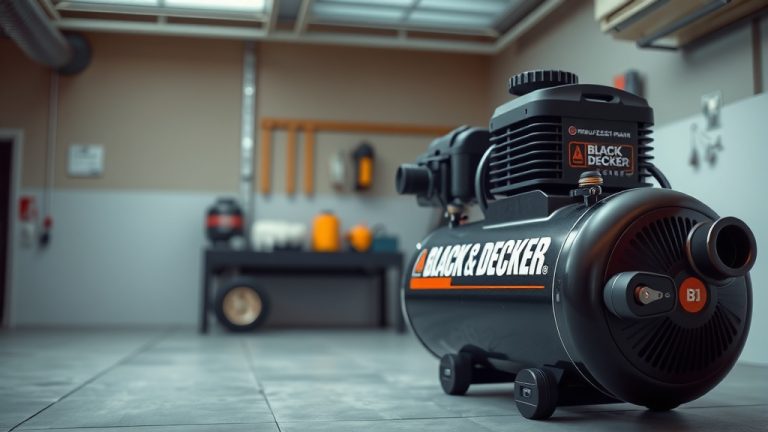
A DeWalt 6-gallon air compressor is incredibly versatile. It’s often called a “pancake” compressor due to its shape, and it’s a favorite for its portability and power. You can tackle a surprising range of tasks with this compact unit.
Small Projects, Big Impact
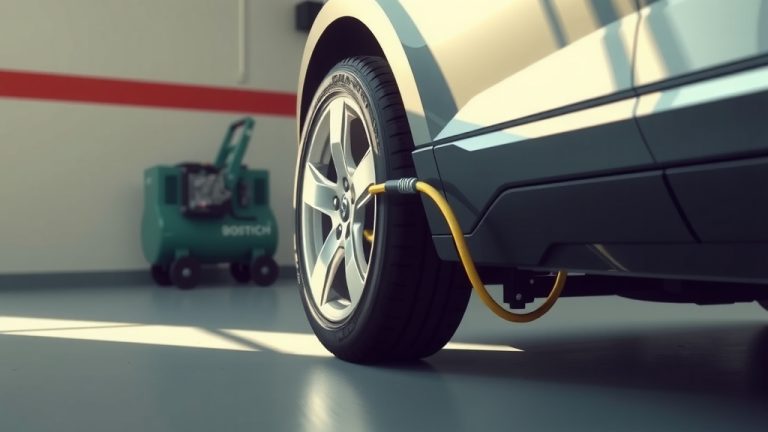
Think beyond just inflating tires! We found that it’s perfect for most DIY home projects. Many people use it for framing nailers, finish nailers, staplers, and even some light paint sprayers. It’s also excellent for blowing dust, cleaning workshops, and operating impact wrenches for small repairs (Motor Trend recommends proper PSI for various tasks).
Keeping Your Compressor Running Smoothly
The key to a happy compressor, and happy projects, is consistency. Always store your unit in a dry place. Before each use, quickly check hoses for cracks and ensure connections are tight. This small routine means less frustration and more completed tasks for you.
Conclusion
Your DeWalt 6-gallon air compressor is a powerful, portable tool that can transform your DIY and professional tasks. By understanding its basic operation, practicing good safety habits, and performing regular maintenance, you’ll ensure it remains a reliable workhorse for years. It’s not just a tool; it’s an investment in your productivity.
Can I use an impact wrench with a DeWalt 6-gallon air compressor?
Yes, you can use an impact wrench with a DeWalt 6-gallon air compressor for light-duty tasks like changing tires or small engine repairs. However, for continuous or heavy-duty use, a larger tank compressor with higher CFM (Cubic Feet per Minute) output might be more suitable to avoid frequent cycling.
How often should I drain the air tank on my compressor?
It is best practice to drain the air tank after every use. This prevents moisture buildup, which can cause rust and shorten the lifespan of the tank. If you use it briefly, a quick drain every few uses is acceptable, but daily draining is recommended for frequent operation.
What kind of extension cord should I use for my DeWalt 6-gallon compressor?
Always use a heavy-duty, outdoor-rated extension cord that is properly grounded. The longer the cord, the thicker its gauge (lower number) needs to be to prevent voltage drop. Consult your compressor’s manual for specific recommendations on cord gauge and length to ensure safe and efficient operation.
My compressor is constantly running; is this normal?
A compressor constantly running or “cycling” frequently often indicates an air leak. Check all connections, hoses, and the drain valve for any leaks. Alternatively, if your tool requires more CFM than the compressor can consistently provide, it will run more often to maintain pressure. For intermittent small tools, constant running is usually not normal.
What does CFM mean, and why is it important for air tools?
CFM stands for Cubic Feet per Minute, and it measures the volume of air an air compressor can deliver at a given pressure. It’s important because every air tool requires a specific CFM at a certain PSI to operate efficiently. Matching your compressor’s CFM output to your tool’s requirement ensures the tool performs correctly and avoids overworking the compressor.