How To Use DeWalt Pancake Air Compressor?
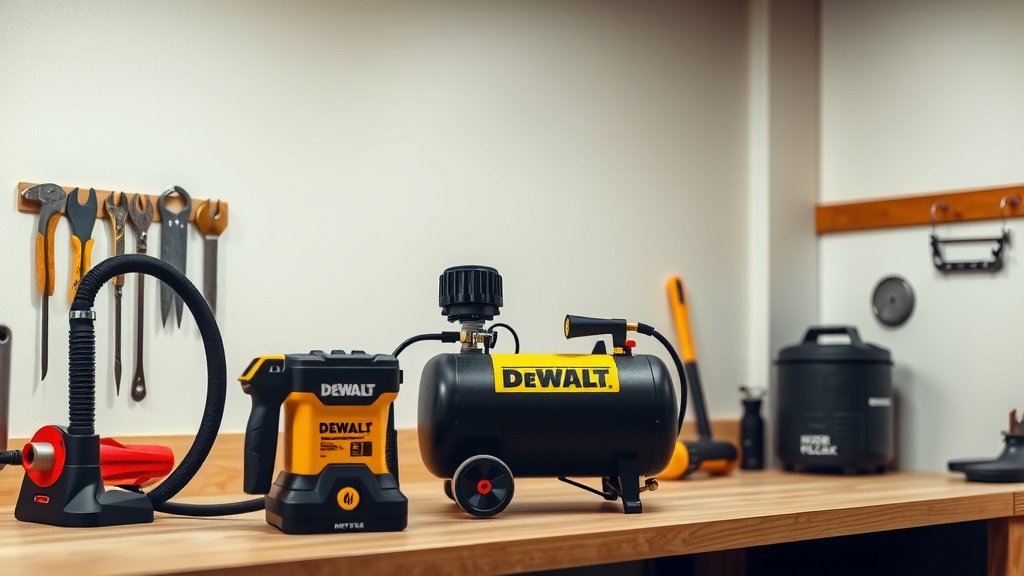
To use your DeWalt pancake air compressor, first connect the air hose to the compressor’s universal quick coupler and attach your air tool securely. Then, plug the compressor into a grounded outlet, ensure the drain valve is closed, and flip the power switch to start it up.
Allow the compressor to build pressure until it reaches its maximum PSI and the motor automatically shuts off, then adjust the regulator knob to the desired working pressure for your specific task before starting work.
- Get started fast: Plug in, connect your tool, and power on.
- Safety first: Always check connections and pressure before use.
- Pressure control: Adjust the regulator for different tool needs.
- Maintenance tips: Drain the tank regularly to prevent rust.
- Problem-solving: Learn common fixes for smooth operation.
How To Use DeWalt Pancake Air Compressor?
Using your DeWalt pancake air compressor is straightforward. It is a fantastic tool for many home and workshop projects. This guide will walk you through each step, making sure you feel confident and ready to tackle any task. Let’s get that air flowing!
Getting Started: Your First Steps
Before you even plug in your compressor, a few initial checks are important. Think of it as preparing your workspace. This ensures both your safety and the compressor’s efficiency.
Unboxing and Inspection
When you first unbox your DeWalt pancake air compressor, take a moment to look it over. Is everything intact? Are there any visible damages from shipping? We found that a quick visual check can prevent future headaches.
Make sure all parts like the air filter and regulator knobs are securely in place. Your compressor should stand steadily on a flat surface.
Finding the Perfect Spot
Your compressor needs a good home while it’s working. Choose a level, stable surface for operation. This helps prevent it from tipping over or vibrating too much.
Ensure the area is well-ventilated. Air compressors can generate heat, and proper airflow keeps them cool. Also, keep it away from excessive dust or moisture.
Setting Up Your Compressor
Now that your workspace is ready, let’s connect everything. This part is like preparing a delicious meal – each ingredient plays a role.
Connecting the Air Hose
Every DeWalt pancake air compressor comes with a quick-connect coupler. This is where your air hose attaches. Simply push the hose fitting into the coupler until it clicks into place.
A secure connection means no air leaks and full power to your tools. You want a snug fit, not a loose one.
Attaching Your Air Tool
Once your hose is connected, attach your air tool. Whether it’s a nail gun or an impact wrench, its fitting will connect to the other end of your air hose. Always make sure the tool is rated for the pressure your compressor provides.
Just like the hose, push the tool fitting firmly into the hose connector. Give it a gentle tug to confirm it’s secure.
Powering Up and Building Pressure
It’s almost showtime! Getting the compressor running correctly is vital for any project. Don’t rush this stage.
Plugging It In Safely
Always plug your DeWalt compressor into a grounded electrical outlet. Many experts say a dedicated circuit is best to avoid tripping breakers (OSHA).
Avoid using extension cords if possible. If you must use one, ensure it’s heavy-duty and rated for the compressor’s power draw. A flimsy cord can overheat.
Closing the Drain Valve
Before starting, check the drain valve at the bottom of the tank. It should be fully closed. This lets the tank hold air pressure effectively.
If it’s open, air will just escape, and your compressor won’t build pressure. A little twist makes a big difference here.
Starting the Compressor Motor
With everything connected and the valve closed, flip the power switch to the “On” position. You’ll hear the motor kick in and the tank start to fill with air.
The compressor will run until it reaches its maximum pressure, then it will automatically shut off. This is completely normal and shows it’s working as intended.
Adjusting Pressure for Your Tools
Different tools need different amounts of air. The regulator is your best friend here.
Using the Regulator Knob
Look for the regulator knob, usually near the pressure gauges. This knob controls the amount of air pressure going out to your tool. Turn it clockwise to increase pressure, counter-clockwise to decrease.
Many tools have a recommended PSI range printed on them or in their manual. Always try to match this for optimal performance and safety.
Reading the Gauges
Your DeWalt pancake compressor usually has two gauges. One shows the tank pressure, telling you how much air is stored. The other shows the regulated output pressure, which is what your tool receives.
Always refer to the output pressure gauge when adjusting your regulator. This is the most important reading for your task.
Working with Your Air Compressor
Now you’re ready to get to work! Keep these tips in mind for a smooth experience.
- Listen to the Compressor: Pay attention to its sounds. Unusual noises might indicate a problem.
- Monitor Pressure: Keep an eye on the gauges, especially if your task is long. The compressor will cycle on and off to maintain pressure.
- Breaks are Good: For longer jobs, give your compressor a short rest. Just like us, a little break can prevent overheating.
Essential Maintenance for Longevity
A little care goes a long way. Regular maintenance keeps your DeWalt compressor happy and working for years.
Draining the Air Tank
This is arguably the most important maintenance step. After each use, or at least daily, drain the moisture from the tank. Condensation builds up inside, and water causes rust. We found this practice significantly extends compressor life.
Simply open the drain valve, let all the water and air escape, then close it again. Do this when the tank is depressurized.
Checking the Air Filter
Your air filter keeps dust and debris out of the motor. Check it periodically, especially if you work in dusty environments. A clogged filter can reduce performance and damage the motor.
Many filters can be cleaned with compressed air or replaced easily. Refer to your compressor’s manual for specific instructions.
General Inspection Checklist
Here’s a quick list to keep your compressor in top shape:
- Check for loose fittings.
- Look for visible air leaks.
- Wipe down the exterior.
- Inspect power cord for damage.
- Ensure gauges are clear and working.
Troubleshooting Common Issues
Sometimes, things don’t go perfectly. No worries, many common issues have simple fixes.
Compressor Not Building Pressure
Is the drain valve closed? That’s the first thing to check. Also, look for any air leaks in your hose or connections. Sometimes, a loose fitting is all it takes.
A faulty pressure switch could also be the problem. Many experts suggest testing it if other checks yield nothing (Compressed Air and Gas Institute).
Motor Won’t Start
Is it plugged in? Is the circuit breaker tripped? Sometimes, a quick reset is all that’s needed. If the motor hums but doesn’t start, it might be a capacitor issue.
Also, check if the voltage matches what the compressor needs. An undervoltage can prevent starting.
Compressor Running Too Much
If your compressor constantly cycles, it likely means there’s an air leak. Listen closely for hissing sounds. You can also use soapy water on connections; bubbles will appear where air is escaping.
A leak means the compressor works harder, leading to faster wear and tear. Find and fix those leaks!
Comparing DeWalt Pancake Compressor Models
While this guide focuses on general use, DeWalt offers various pancake models. They mostly differ in tank size and CFM output.
| Feature | Smaller Model (e.g., 6-gallon) | Larger Model (e.g., 10-gallon) |
|---|---|---|
| Tank Size | 6 Gallons | 10 Gallons |
| Airflow (CFM @ 90 PSI) | Around 2.6 CFM | Around 3.0 CFM |
| Best For | Nailing, inflating, light tasks | Finish nailing, framing, longer use |
| Portability | Very high | High |
Conclusion
Using your DeWalt pancake air compressor is a journey of simple steps. From proper setup to diligent maintenance, each action contributes to its performance and lifespan. Remember to prioritize safety, match pressure to your tools, and regularly drain that tank. With these practical tips, you’re ready to take on projects with confidence and keep your compressor running smoothly for years to come. What will you build next?
How do I know what PSI to use for my air tool?
Always check your air tool’s instruction manual or look for a sticker on the tool itself. Most manufacturers specify the recommended operating PSI. Matching this pressure prevents tool damage and ensures efficient operation.
Can I use an extension cord with my DeWalt pancake compressor?
While generally not recommended, if you must use an extension cord, ensure it is a heavy-duty outdoor-rated cord with a gauge appropriate for the compressor’s amperage and length. A 12-gauge, 25-foot cord is often suitable for many models, but verify with your manual.
How often should I drain the air tank on my compressor?
It’s best practice to drain the air tank after every use to remove accumulated moisture. If you use it frequently or in humid conditions, draining it daily is crucial. This prevents rust buildup inside the tank and prolongs the compressor’s life.
What should I do if my compressor starts making strange noises?
First, turn off and unplug the compressor. Inspect for loose parts, connections, or anything obstructing the fan or motor. Unusual noises can indicate a failing motor bearing, a worn-out pump, or a pressure switch issue. If you cannot identify the problem, contacting a service professional is advisable.
Is it normal for my air compressor to get hot during operation?
Yes, it’s normal for the motor and pump area of your air compressor to get warm, or even hot, during operation, especially during extended use. This is due to the compression process. Ensure it’s in a well-ventilated area to help dissipate heat. Excessive overheating, however, might signal a problem, such as a clogged filter or insufficient ventilation.