How To Use Kobalt Air Compressor?
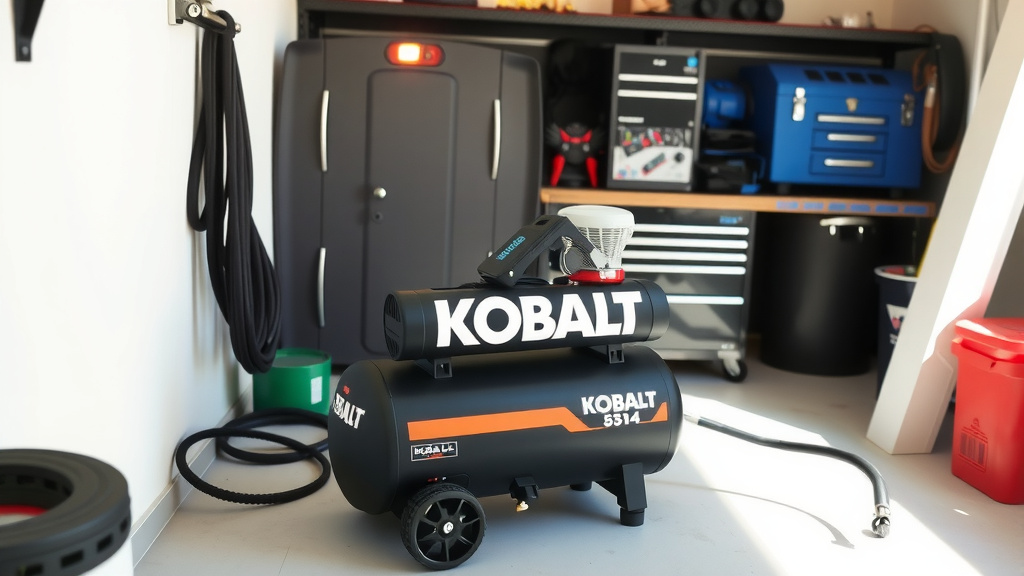
To use a Kobalt Air Compressor, first ensure it is on a stable, level surface and plugged into a proper power source. Then, connect your air hose and desired tool, set the correct air pressure (PSI) for your task, and turn on the compressor, allowing it to build up pressure before use.
Before each use, it’s wise to drain any condensation from the tank to prevent rust and ensure your Kobalt Air Compressor operates efficiently and safely, following manufacturer guidelines for maintenance.
Here’s a quick rundown of what you’ll find:
- Get started quickly with basic setup.
- Understand essential safety measures.
- Learn how to connect your air tools.
- Discover how to adjust air pressure for different jobs.
- Find practical tips for common compressor uses.
- Learn vital maintenance steps to keep it running well.
How To Use Kobalt Air Compressor?
Using your Kobalt air compressor involves a few key steps for safety and efficiency. You will want to get it set up right and understand its basic controls.
This guide will walk you through everything, making sure your projects go smoothly.
Getting Started: The Basics
Unboxing your new compressor is exciting, isn’t it? Before you get to work, let’s cover some quick setup steps. Think of it like preparing a meal; good prep makes for a better outcome.
Setting Up Your Compressor
First, find a stable, level surface. Your compressor should not wobble or tip over. Many experts say a solid garage floor is often ideal.
Ensure there’s good airflow around the unit. This helps keep the motor cool while it works hard for you.
Safety First, Always
Air compressors are powerful tools, so safety is not just a suggestion; it’s a must. Always wear safety glasses or goggles to protect your eyes from debris.
Hearing protection is also a good idea. Compressors can be noisy, and protecting your hearing is a smart move (OSHA guidelines frequently remind us).
Your Workspace Matters
Clear your work area of clutter. You don’t want hoses tangling or tripping hazards. A clean space helps you work better and safer.
Make sure you have adequate lighting. Seeing what you are doing is very important for precise tasks.
Connecting Your Tools
Now that your compressor is ready, let’s attach an air tool. It’s often easier than you think.
Hoses and Fittings
You’ll need an air hose. Kobalt compressors typically use universal quick-connect fittings. These fittings let you swap tools fast.
Push the male fitting on your hose or tool into the female coupler on the compressor. You will hear a click when it locks into place.
Quick Connect Tips
Always check that your connections are secure. A loose connection means air leaks, which wastes power and time. It also reduces tool performance.
A good seal ensures your tools get the full air pressure they need to perform their best.
Powering Up Your Kobalt Compressor
Turning on your compressor is straightforward. But a couple of checks beforehand can save you trouble later.
Checking the Oil (If Applicable)
Some Kobalt compressors are oil-lubricated. If yours is, check the oil level before starting. A dipstick or sight glass usually shows this.
Running an oil-lubricated compressor without enough oil can cause serious damage. Always consult your owner’s manual for specifics.
Plugging It In
Plug your compressor into a grounded electrical outlet. Avoid extension cords if possible. If you must use one, ensure it is rated for the compressor’s power needs.
An undersized cord can overheat and damage the motor. We often find that a dedicated circuit is best for larger models.
Setting the Pressure (PSI)
Locate the regulator knob on your compressor. This lets you adjust the air pressure (PSI) output. Turn it to your desired setting.
Most air tools have a recommended operating PSI. Check your tool’s manual for its specific needs.
Understanding Air Pressure
PSI and CFM are two important terms to know. They tell you a lot about your compressor’s power.
What are PSI and CFM?
PSI stands for Pounds Per Square Inch. This is the force of the air pressure. Higher PSI means more force.
CFM means Cubic Feet Per Minute. This is the volume of air your compressor can deliver. Air hungry tools need higher CFM.
Matching Pressure to Your Task
Your air tools have specific PSI and CFM requirements. Using too little pressure makes tools perform poorly. Too much can damage them or your project.
Always follow the tool manufacturer’s guidelines. It’s like baking; the right temperature makes all the difference.
Common Kobalt Air Compressor Uses
Your Kobalt compressor is a versatile helper. It can handle many tasks around your home or workshop.
Inflating Tires and Sports Equipment
This is one of the most common uses. Keep your car tires properly inflated for better gas mileage and safety.
It’s also great for bicycle tires, basketballs, and air mattresses. Just use the right nozzle attachment.
| Item to Inflate | Typical PSI Range |
|---|---|
| Car Tires (Passenger) | 30-35 PSI |
| Bicycle Tires (Mountain) | 35-60 PSI |
| Basketball/Football | 7-9 PSI |
| Air Mattress | 1-3 PSI |
Using Air Tools Safely
Air tools, like nail guns, impact wrenches, and paint sprayers, make big jobs much easier. Always follow their safety instructions.
Ensure you have the correct air pressure set. Too much pressure can cause fasteners to over-penetrate or paint to splatter.
A Quick Air Tool Checklist
- Read the tool manual: Every tool is different.
- Wear safety gear: Eyes and ears are priority.
- Check air line connections: Make sure they are tight.
- Set correct PSI: Match the tool’s requirement.
- Disconnect air when changing tools: Prevent accidental firing.
- Keep hands clear: Especially with nail guns.
Essential Maintenance Tips
Regular maintenance keeps your Kobalt air compressor working reliably. A little care goes a long way.
Draining the Tank Regularly
Condensation builds up in the air tank. If not drained, this water can cause rust. Rust weakens the tank over time.
Locate the drain valve at the bottom of the tank. Open it after each use or at least weekly. Many professionals recommend this practice.
Checking Air Filters
The air filter keeps dust and debris out of the motor. A clogged filter makes the compressor work harder. This reduces its lifespan.
Check the filter regularly. Clean or replace it when it looks dirty. Your owner’s manual will show you how.
Troubleshooting Minor Issues
Sometimes, things don’t go as planned. Don’t worry, many issues are simple to fix.
If your compressor isn’t building pressure, check for air leaks in your hose or connections. Sometimes, a loose fitting is all it takes.
If it cycles too often, you might have a hidden leak. Listen for hissing sounds. Spraying soapy water on connections can reveal bubbles from leaks.
When to Seek Professional Help
For persistent issues like strange noises, motor problems, or pressure switch failures, it’s best to consult a professional. Attempting complex repairs yourself might void your warranty or cause further damage.
Safety experts always suggest leaving electrical or tank integrity issues to certified technicians.
Conclusion
Using your Kobalt air compressor effectively can transform your DIY projects and workshop tasks. By understanding the basics of setup, focusing on safety, connecting tools properly, and performing routine maintenance, you ensure smooth operation.
Remember to match air pressure to your specific tools and drain the tank regularly. These simple steps will help your compressor serve you well for many years, making every job a bit easier and more efficient.
How do I set the correct PSI on my Kobalt air compressor?
You set the correct PSI by turning the regulator knob, usually found near the air output port. Adjust it while watching the pressure gauge until it reaches the PSI recommended for your specific air tool or task.
What kind of oil does my Kobalt air compressor need?
If your Kobalt compressor is an oil-lubricated model, it requires specific compressor oil, often a non-detergent type. Always check your owner’s manual for the exact oil type and viscosity recommended by Kobalt to ensure proper lubrication and compressor longevity.
Can I use an extension cord with my Kobalt air compressor?
While generally not recommended, if you must use an extension cord, ensure it is a heavy-duty, outdoor-rated cord with the correct gauge wire for your compressor’s power draw. An undersized cord can cause voltage drops and motor damage. Refer to your compressor’s manual for specific cord requirements.
How often should I drain the air tank on my compressor?
It is best practice to drain the air tank after each use to remove condensation. If you use it frequently, draining daily is ideal. For occasional use, draining it at least weekly or before prolonged storage helps prevent rust and maintains tank integrity.
Why is my Kobalt air compressor constantly running?
If your Kobalt air compressor runs continuously or cycles on and off too frequently, it often indicates an air leak. Check all hose connections, fittings, and the tank itself for any hissing sounds. A faulty pressure switch or check valve can also cause this issue, requiring further inspection.