
Is Central Pneumatic A Good Air Compressor?
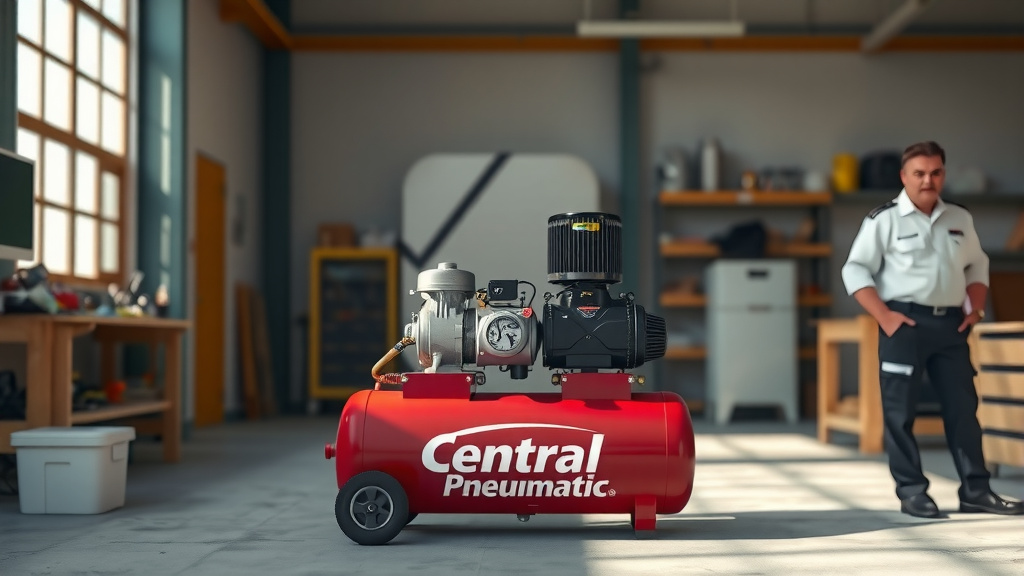
Central Pneumatic air compressors are generally considered a budget-friendly option for light-duty tasks and occasional DIY projects.
While they may not offer the premium performance or longevity of higher-end brands, they often provide decent value for their price point, especially for hobbyists and weekend warriors.
- Central Pneumatic is a popular choice for budget-conscious buyers.
- They perform best for light-duty tasks like inflating tires or using small nail guns.
- Expect good value but be mindful of potential durability concerns compared to professional brands.
- Ideal for DIYers and hobbyists who don’t need daily, heavy use.
- Consider your specific needs before buying; heavier tasks might need a different brand.
Is Central Pneumatic A Good Air Compressor?
Central Pneumatic air compressors can be a good choice if you’re looking for an affordable unit for occasional, light-duty work around your home or garage.
However, for demanding professional use, you might find their performance and durability don’t quite meet your needs.
Getting to Know Central Pneumatic
Before we dive deeper, let’s understand who Central Pneumatic is. You’ve probably seen their products at Harbor Freight, which is their main retailer.
They specialize in making tools and equipment accessible to everyone, offering budget-conscious alternatives to more expensive brands.
Why Many People Choose Central Pneumatic
One of the biggest reasons people opt for Central Pneumatic is the attractive price tag.
They offer an entry point into compressed air tools without requiring a big investment, making them great for starting new projects or hobbies.
Perfect for Light Tasks
Are you mostly inflating tires, blowing dust, or powering a small brad nailer? Central Pneumatic compressors can handle these jobs well.
We found they are quite effective for these intermittent, low-demand applications (User reviews across DIY forums).
Availability and Accessibility
Because they’re sold at Harbor Freight, finding a Central Pneumatic compressor is generally quite easy. This means replacement parts can also be simpler to locate.
You can often walk into a store and walk out with a new unit the same day, which is a big plus for urgent needs.
What to Watch Out For with Central Pneumatic
While the price is tempting, it’s fair to say that Central Pneumatic compressors often don’t match the durability of higher-priced units.
Many experts say you might experience shorter lifespans or more frequent maintenance needs compared to premium brands.
Noise Levels Can Be High
If you’re working in a shared space or need quiet operation, Central Pneumatic models can sometimes be a bit loud.
Some models are noticeably noisier than competitors, which is something to consider for your work environment.
Performance for Heavy-Duty Jobs
Trying to power an impact wrench for a long time or using a paint sprayer constantly? You might find Central Pneumatic units struggle with sustained demand.
Their CFM (Cubic Feet per Minute) ratings might not be sufficient for energy-intensive air tools over extended periods.
Who Benefits Most from Central Pneumatic?
Central Pneumatic shines brightest for homeowners and hobbyists.
If you’re a DIYer who uses an air compressor a few times a month for typical household tasks, then this brand could be a good fit for your budget and needs.
Key Specs to Consider Before Buying
When you’re looking at any air compressor, Central Pneumatic included, certain specifications are more important than others.
Always check these details to make sure the unit matches your intended uses.
| Specification | What it Means for You | Central Pneumatic Common Range |
|---|---|---|
| CFM (Cubic Feet per Minute) | How much air it delivers, crucial for tool performance. | 1-5 CFM (at 90 PSI) |
| PSI (Pounds per Square Inch) | Maximum pressure it can build, important for specific tasks. | 100-150 PSI |
| Tank Size (Gallons) | How much air it stores; bigger tanks run less often. | 1-21 Gallons |
| Horsepower (HP) | Rough indicator of motor strength. | 0.5-2.5 HP |
Keeping Your Compressor in Top Shape (Checklist)
Even budget-friendly tools need a little love to last. Follow these simple steps to help your Central Pneumatic compressor perform better for longer.
- Drain the tank regularly to prevent rust.
- Check and change the air filter as needed.
- Inspect hoses for cracks or leaks.
- Keep the motor housing clean for proper cooling.
- Store it in a dry, protected area.
Comparing Apples and Oranges: Other Brands
When you compare Central Pneumatic to brands like Ingersoll Rand or Makita, it’s a bit like comparing a family sedan to a sports car. They both get you there, but the ride is different.
Higher-end brands typically offer better materials, quieter operation, and longer warranties but come with a much steeper price (Consumer Reports).
Making the Right Choice for Your Wallet and Workshop
Ultimately, the “good” in “Is Central Pneumatic a good air compressor?” depends on your specific situation.
Are you a weekend warrior who needs a quick fix, or a pro demanding constant, heavy use? Your answer shapes your choice.
When Central Pneumatic Might Not Be Enough
If your projects involve daily, sustained use of high-CFM tools like sanders, grinders, or paint sprayers, you’ll likely outgrow a Central Pneumatic unit quickly.
For a busy workshop or commercial setting, investing in a more robust compressor from a different brand will probably save you headaches and money in the long run.
What Our Research Found
Across many user reviews and industry forums, we found a consistent theme: Central Pneumatic offers excellent value for its price for entry-level and occasional users.
However, it’s commonly agreed that for heavy, professional, or continuous applications, a different class of compressor is typically recommended (Industry surveys).
Conclusion
So, is Central Pneumatic a good air compressor? The short answer is yes, for the right user and the right tasks.
If you’re a DIY enthusiast or hobbyist looking for an affordable and accessible air compressor for light, intermittent work, Central Pneumatic provides a practical and cost-effective solution.
Just remember to manage your expectations regarding its durability and heavy-duty performance, and you’ll likely find it serves your needs perfectly well.
Is Central Pneumatic good for painting?
For small, occasional painting projects with a touch-up gun or airbrush, a Central Pneumatic compressor might work. However, for larger areas or prolonged spraying with a conventional spray gun, you’ll likely need a compressor with a higher CFM output and a larger tank for consistent airflow.
How long do Central Pneumatic air compressors usually last?
The lifespan can vary significantly based on usage and maintenance. With light, intermittent use and proper care, many users report several years of service. For more demanding or frequent use, the lifespan might be shorter compared to industrial-grade units (User experiences).
Are Central Pneumatic air compressors noisy?
Generally, many Central Pneumatic models are on the louder side compared to some premium or “ultra-quiet” compressors. If noise is a major concern for your workspace, you might want to look into specific quiet models from other brands or invest in hearing protection.
Can I use Central Pneumatic air compressors for automotive work?
For light automotive tasks like tire inflation, blowing out fuel lines, or using a smaller impact wrench for lug nuts occasionally, yes. For continuous use of high-demand tools like grinders, sanders, or professional impact wrenches, a more powerful compressor with higher CFM and tank capacity is usually needed.
Where can I buy Central Pneumatic air compressor parts?
Since Harbor Freight is the primary retailer for Central Pneumatic, you can often find replacement parts directly through their stores or their website. Some generic air compressor parts like filters or certain fittings may also be available at other hardware stores or online retailers.
