What Can A 20 Gallon Air Compressor Do?
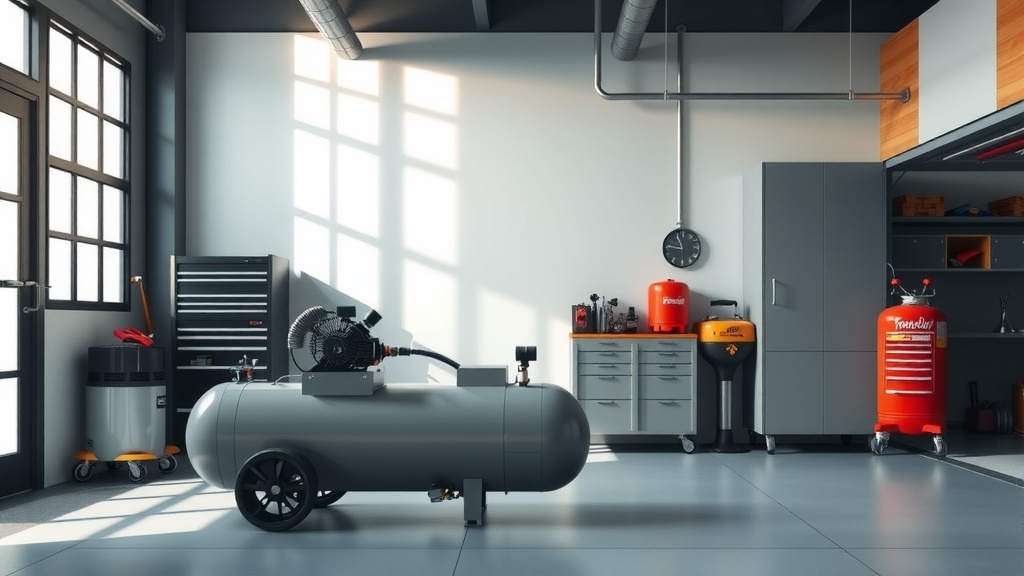
A 20-gallon air compressor offers a great blend of power and portability, making it ideal for a wide range of home, garage, and workshop tasks. You can use it for everything from inflating tires to powering various air tools like nail guns and impact wrenches.
This versatile size provides sufficient air storage for intermittent and moderate-duty applications, ensuring you have enough sustained airflow for your DIY projects without the need for a larger, stationary unit.
- A 20-gallon air compressor is a versatile powerhouse for many home and garage projects.
- It excels at tasks like automotive maintenance, woodworking, and various home repairs.
- You can run common air tools such as nail guns, impact wrenches, and small paint sprayers.
- While capable, it has limits for heavy, continuous industrial applications.
- Choosing the right model involves looking at CFM, PSI, and tank type for your specific needs.
What Can A 20 Gallon Air Compressor Do?
A 20-gallon air compressor is a versatile tool for your home and garage. It provides a good balance between tank capacity and portability, making it suitable for a wide array of tasks.
Why Choose a 20 Gallon Air Compressor?
You might be wondering, “Is a 20-gallon unit the right size for me?” This size offers a great balance of power and portability. It provides enough air storage for consistent tool operation without being overly cumbersome to move around.
Understanding CFM and PSI
When picking an air compressor, CFM (Cubic Feet per Minute) and PSI (Pounds per Square Inch) are key. CFM tells you how much air a compressor can deliver continuously. PSI measures the maximum air pressure it can produce.
Common Uses for Your 20 Gallon Compressor
A 20-gallon air compressor opens up a world of possibilities for home DIYers and small shop owners. It’s capable of handling a wide array of air tools. Think of it as your versatile power source, ready for many projects.
Automotive Applications
For car enthusiasts, a 20-gallon compressor is a dream. You can easily inflate tires, use an impact wrench for lug nuts, or power a ratchet for engine work. It makes vehicle maintenance much easier, whether changing tires or doing minor repairs.
- Inflating car and bike tires
- Loosening lug nuts with impact wrenches
- Cleaning engine bays with an air blow gun
- Operating air ratchets for repairs
- Spraying undercoating or touch-up paint (for small areas)
Woodworking Projects
In woodworking, this compressor size is fantastic. You can run nail guns for trim work, framing, or furniture assembly. It also pairs well with sanding tools for smooth finishes on your crafted pieces, helping you achieve professional results.
Home Repair and DIY
Tackling home repairs becomes simple with a 20-gallon compressor. Installing new trim, fencing, or even putting up drywall with a nail gun is quick and efficient. It truly simplifies many household jobs, saving you time and effort (Consumer Reports).
Painting and Finishing
While not for industrial-scale painting, a 20-gallon unit can handle smaller paint sprayers. It’s perfect for painting furniture, fences, or small rooms. Achieving a professional finish on your smaller projects is entirely within reach.
General Shop Tasks
Beyond specific projects, it’s great for general utility. You can use an air blow gun to clear sawdust from your workbench, keeping your space tidy. Even tasks like inflating sports balls are quick and effortless, making it a handy tool for everyday use.
Air Tools a 20 Gallon Compressor Can Handle
The tank size influences how long you can use air-hungry tools before the compressor kicks on again. With a 20-gallon tank, you’ll find it handles most common tools well. This includes those with moderate CFM requirements, letting you work smoothly.
- Impact Wrenches: Great for automotive work, typically needing 4-6 CFM.
- Air Ratchets: Perfect for tight spaces, usually requiring 3-5 CFM.
- Nail Guns (Brad, Finish, Framing): Ideal for construction and woodworking, often 0.5-2.5 CFM.
- Blow Guns: Excellent for cleaning dusty surfaces, around 3-5 CFM.
- Air Sanders (Orbital): Good for finishing, often 5-10 CFM (use with breaks).
- Small Paint Sprayers (HVLP): Suitable for smaller projects, generally 6-10 CFM (use intermittently).
Limitations and Considerations
While a 20-gallon air compressor is versatile, it does have limits. It might struggle with tools that demand very high, continuous CFM. Think about your most demanding projects before deciding if this is the right compressor for constant, heavy use.
Heavy-Duty Sanding or Grinding
For extensive, continuous sanding or grinding, a 20-gallon tank may cycle frequently. This can lead to pauses in your work as the tank refills. Larger tanks or industrial compressors are better for heavy use that requires uninterrupted airflow.
Large-Scale Professional Painting
If you plan to paint an entire house or car professionally, this size isn’t ideal. It won’t provide the steady, high CFM needed for such large jobs. Professional body shops often use much larger tanks to maintain consistent pressure (OSHA guidelines).
Continuous Air Demands
Tools like large air chippers or certain plasma cutters need constant, high airflow. A 20-gallon compressor would be working non-stop to keep up. This could shorten its lifespan and cause overheating, making it unsuitable for such applications.
Choosing the Right 20 Gallon Compressor
Not all 20-gallon compressors are created equal. Consider the motor horsepower (HP), the pump type (oil-lubed vs. oil-free), and noise levels. These factors significantly impact performance and longevity, as we found in our research.
Oil-Lubed vs. Oil-Free
Oil-lubed compressors tend to be more durable and quieter, often lasting longer. Oil-free units require less maintenance and are lighter, making them easier to move. Your choice depends on your priority: longevity or convenience for your typical use.
Noise Levels
Some compressors can be quite loud, which might be a concern if you work in a residential area or a shared space. A quieter model might be important for your comfort and your neighbors’. Always check the decibel (dB) rating before buying.
Vertical vs. Horizontal Tanks
The orientation of the tank impacts space. Vertical tanks save floor space, which is great for smaller workshops. Horizontal tanks can be more stable and easier to move for some. Consider your available workshop area and how you’ll store it.
| Task | 20 Gallon Suitability | Notes |
|---|---|---|
| Tire Inflation | Excellent | Quick and easy for cars, bikes, sports equipment. |
| Impact Wrench | Good | Handles most lug nuts; intermittent use is best for power tools. |
| Nail Guns | Excellent | Perfect for trim, framing, and roofing with steady supply. |
| Small Sanding | Moderate | Good for small areas; may cycle frequently with continuous use. |
| HVLP Painting | Moderate | Suitable for small projects like furniture, needing breaks. |
| Heavy Grinding | Poor | Not enough continuous CFM; consider a larger unit for this. |
Conclusion
A 20-gallon air compressor is a remarkably versatile tool for your home workshop or garage. It offers a great balance of power and portability, making it suitable for a wide range of tasks from automotive work to woodworking and home repairs. By understanding its capabilities and limitations, you can ensure you’re making the smartest choice for your projects. It’s a workhorse that many DIYers and craftspeople find indispensable once they bring one home.
Frequently Asked Questions
What is the minimum CFM I need for a 20-gallon air compressor?
Many common air tools, like nail guns and impact wrenches, generally require between 2 to 6 CFM at 90 PSI. A good 20-gallon compressor should deliver at least 4-5 CFM at 90 PSI to handle most of these tools effectively without constant cycling.
Can I run an air sander continuously with a 20-gallon compressor?
While you can use an air sander with a 20-gallon compressor, continuous heavy use might cause the compressor to run frequently to keep up with the CFM demand. For extended sanding sessions, you might experience pauses or reduced performance as the tank refills. Intermittent use is generally fine.
Is a 20-gallon air compressor good for inflating RV or truck tires?
Yes, a 20-gallon air compressor typically has enough capacity and pressure to inflate RV or truck tires. While it might take a bit longer than a commercial shop compressor, it will certainly get the job done efficiently for personal use and can handle the higher pressure requirements.
How often should I drain the tank on my 20-gallon air compressor?
You should drain the condensation from your compressor tank after every use, or at least weekly if you use it frequently. This prevents rust inside the tank, which can compromise its integrity and shorten the compressor’s lifespan. It’s a simple, crucial step.
What maintenance is required for a 20-gallon air compressor?
Regular maintenance includes draining the tank, checking and changing the air filter (if applicable), and for oil-lubed models, checking and topping off the oil. Keeping the compressor clean and stored in a dry place also helps with longevity. Always consult your specific model’s manual for detailed instructions.
