
What Industries Commonly Use Air Compressors And Tools?
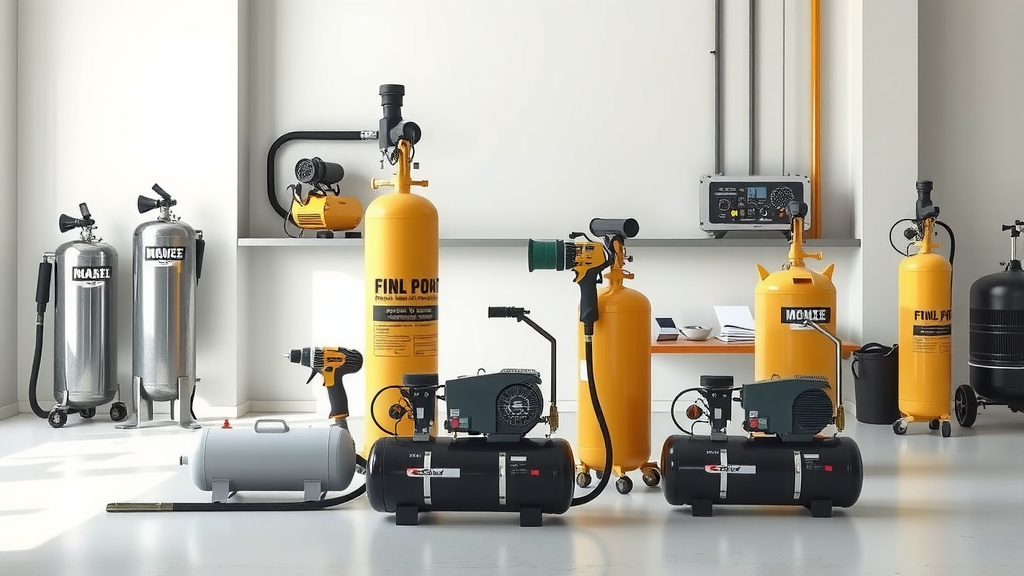
The industries that commonly use air compressors and tools include manufacturing, construction, automotive, agriculture, healthcare, and food and beverage processing. These versatile machines power everything from assembly lines to dental drills, making countless tasks easier and more efficient.
Air compressors are vital power sources across diverse sectors, helping businesses operate smoothly and accomplish demanding jobs with pneumatic tools.
Here’s a quick overview of what you’ll find in this article:
- Air compressors are essential in many industries.
- They power tools for manufacturing, building, and fixing things.
- You’ll find them in car shops, farms, and even hospitals.
- These machines save time and make jobs safer.
- Choosing the right compressor depends on your specific needs.
What Industries Commonly Use Air Compressors And Tools?
Many industries commonly use air compressors and tools to power essential operations and simplify complex tasks. These powerful machines provide the energy for a vast array of pneumatic tools.
Why Are Air Compressors So Widespread?
Have you ever wondered what makes so many tools run? Air compressors are like the unseen engine behind many operations. They take in air, compress it, and then store it under pressure. This stored energy powers various tools when you need them.
They offer a reliable and consistent power source without the risk of electrical hazards in wet environments. This makes them a safer choice for many demanding industrial settings. It’s like having a dependable workhorse ready for action, day in and day out (Industrial Safety Magazine).
Air Compressors in Heavy-Duty Sectors
When you think of big jobs, you often think of heavy machinery. Air compressors are central to these demanding industries. They are built for rigorous, continuous use in harsh conditions.
Manufacturing and Production Lines
In manufacturing, air compressors are the heartbeat of assembly lines. They power robots, pneumatic clamps, and conveyor systems. From electronics to heavy machinery, production relies heavily on compressed air.
Think about how your car is built. Air tools tighten bolts, apply paint, and even move parts around. These systems need precise, consistent power to keep factories running smoothly and efficiently. We found that automation often depends on a steady supply of compressed air.
Automotive Assembly and Repair
Every auto repair shop uses compressed air. It inflates tires, powers impact wrenches, and operates paint sprayers. Without it, mechanics would face a much tougher job completing routine tasks. We found these applications are critical for vehicle maintenance (Auto Industry Report).
Construction Sites and Demolition
Walk onto any large construction site, and you’ll hear the hiss of compressed air. Jackhammers, nail guns, and concrete vibrators all use this power. It helps workers build structures faster and more safely.
For demolition, compressed air tools can quickly break down old structures. It’s like a powerful, invisible hand helping to clear the way for new buildings. Air power delivers the brute force needed for these challenging tasks.
Essential Roles in Specialized Fields
Beyond the heavy industries, air compressors play surprising roles. They are found in settings you might not expect. Their versatility allows them to serve many precise needs.
Healthcare and Dental Practices
Did you know your dentist uses an air compressor? Dental drills, suction tools, and even sterilization equipment run on compressed air. These specialized compressors must provide clean, oil-free air. Research shows that air quality is critical in medical environments (Medical Device Journal).
In hospitals, compressed air helps power respirators and other vital medical devices. Maintaining patient health often depends on this unseen power source. It’s truly a lifesaver in many situations.
Food and Beverage Processing
Cleanliness is key in food production. Air compressors are used for sorting, packaging, and transporting products. They also clean equipment with high-pressure air. We found that compressors in this sector must meet strict hygiene standards.
Consider how many items in your pantry were handled by air-powered systems. They inflate packaging, move bottles along lines, and ensure consistent quality control. It’s all about precision and sanitation.
Agriculture and Farming
From milking machines to crop sprayers, compressed air helps farmers. It powers tools for maintenance on large machinery. Farmers rely on these systems to keep their operations running. This can save time and effort during busy seasons.
Keeping livestock comfortable and safe often involves air-powered ventilation systems. It’s a key part of modern agricultural practices. We found that efficient farming often uses innovative air technologies.
Powering Everyday Services
You might encounter air compressors more often than you think. They are behind many common services. Their quiet work makes many daily tasks possible.
Woodworking and Carpentry
Any serious woodworker or carpenter will tell you about their air compressor. Nail guns, sanders, and paint sprayers are essential tools. They help create beautiful furniture and sturdy structures. It makes tasks much faster than manual methods.
Imagine hand-nailing every board for a house. Air nailers save enormous time and effort. They deliver consistent, powerful results for all your woodworking projects. This allows for better craftsmanship and faster completion.
Cleaning and Maintenance Services
High-pressure air is excellent for cleaning. Sandblasting and power washing rely on powerful air compressors. These methods remove tough grime and prepare surfaces for new coatings. It’s like a super-powered scrub brush.
Even for simple tasks, like blowing dust out of electronics, compressed air is useful. It provides a dry, forceful stream. This ensures that delicate equipment stays clean without liquid damage. Many experts say it’s a safer option for certain cleaning jobs.
Arts, Crafts, and Creative Uses
Believe it or not, artists use air compressors too! Airbrushing, for example, creates smooth gradients and fine details. It’s used in painting, model making, and even cake decorating. The precision offered by air tools is unmatched.
These specialized compressors provide a consistent, fine mist of paint or other materials. This allows for incredible artistic control. It truly expands the possibilities for creative expression.
Here’s a quick look at some common air tools and their industries:
| Industry | Common Air Tools Used |
|---|---|
| Manufacturing | Impact wrenches, pneumatic clamps, spray guns |
| Construction | Jackhammers, nail guns, riveting hammers |
| Automotive | Tire inflators, sanders, paint sprayers |
| Healthcare | Dental drills, sterilizers, lab equipment |
| Woodworking | Brad nailers, staplers, orbital sanders |
Choosing the Right Air Compressor
With so many uses, how do you pick the right one? It depends entirely on your needs. A small craft project has different requirements than a busy factory floor. Thinking about your specific application is crucial.
Key Considerations for Your Industry
When selecting an air compressor, consider these points. They will help you find the perfect match for your industrial needs. Each choice impacts performance and longevity.
- Cubic Feet per Minute (CFM) requirement: Does your tool need a lot of air?
- Pounds per Square Inch (PSI) requirement: How much pressure do your tools need?
- Tank size: Do you need a constant supply or intermittent bursts?
- Portability: Will you move it around, or will it stay in one place?
- Power source: Do you need electric, gas, or diesel?
- Noise level: Is a quiet operation important for your workspace?
Thinking through these questions will guide your decision. It ensures you get a compressor that can handle your specific workload. We found that matching compressor specs to tool requirements is key to satisfaction (Equipment Selection Guide).
Conclusion
Air compressors and their associated tools are truly the unsung heroes of modern industry. From the vast manufacturing floors to the delicate work of a dental office, their impact is everywhere. They offer efficient, powerful, and often safer solutions for countless tasks. Understanding their widespread use helps us appreciate these essential machines. Choosing the right one empowers your operations, no matter the industry.
How do air compressors increase efficiency?
Air compressors boost efficiency by powering tools that perform tasks faster and with less manual effort. They allow for continuous operation, automation, and precise application, reducing downtime and labor costs in many industries.
Are portable air compressors suitable for industrial use?
Yes, some portable air compressors are designed for industrial use, especially for jobs requiring mobility like construction sites or remote maintenance. However, their suitability depends on the specific CFM and PSI demands of the tools being used.
What safety tips should I follow with air tools?
Always wear appropriate personal protective equipment (PPE), such as eye and ear protection, when using air tools. Ensure hoses and connections are secure, never point an air tool at yourself or others, and always disconnect the air supply before changing accessories or performing maintenance.
Can air compressors be used outdoors in all weather?
While many industrial air compressors are built to withstand tough conditions, using them outdoors in extreme weather (heavy rain, snow, freezing temperatures) can affect performance and longevity. Always check the manufacturer’s guidelines for safe operating temperatures and weather protection.
How do I maintain my industrial air compressor?
Regular maintenance for an industrial air compressor includes checking and changing the oil (for lubricated models), draining condensation from the tank, inspecting air filters, and examining hoses and fittings for leaks. Following the manufacturer’s maintenance schedule is vital for optimal performance and lifespan.
