What Makes A Good Air Compressor?
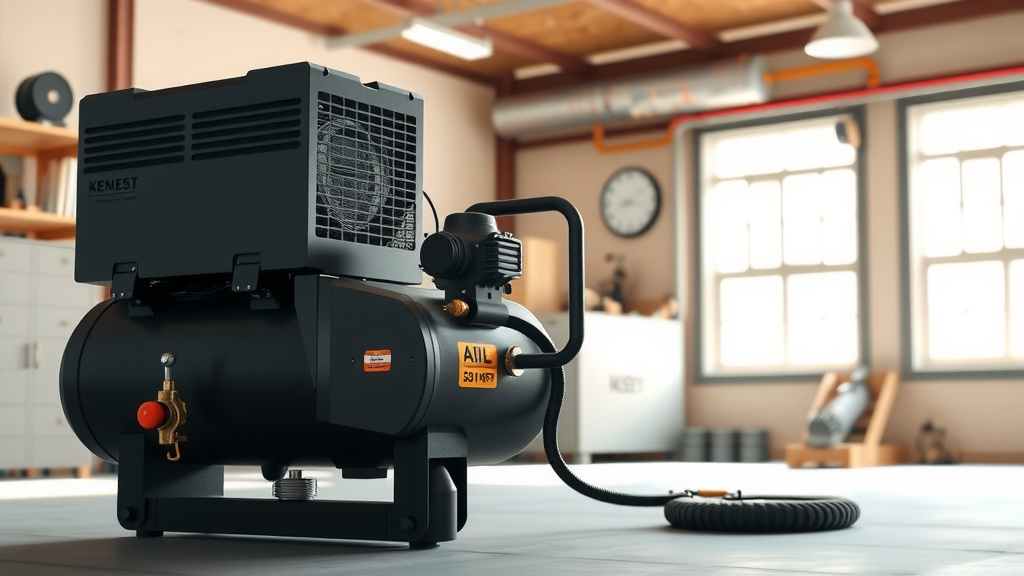
A good air compressor combines ample CFM and PSI for your tools, a suitably sized tank, and a durable motor designed for your specific tasks.
It should provide consistent airflow, operate reliably, and match your project’s demands without constant interruptions or excessive noise.
Here’s a quick overview of what makes an air compressor truly shine:
- Adequate CFM and PSI for your tools.
- A tank size that matches your usage patterns.
- A reliable motor, whether oiled or oil-free.
- A good duty cycle for continuous work.
- Manageable noise levels for comfort.
- Durable construction for long-term use.
What Makes A Good Air Compressor?
A good air compressor is one that perfectly suits your needs, delivering reliable power and consistent airflow for your projects. It’s about more than just horsepower; it’s about a balanced system.
You want a machine that feels like a trusted partner, not a struggle. Let’s explore what truly matters when you’re choosing one.
Power and Performance: CFM and PSI
Think of CFM and PSI as the heart and muscle of your air compressor. These two measurements dictate what jobs your compressor can handle. Ignoring them is like trying to run a marathon with flip-flops.
Matching these to your tools is the first golden rule of choosing wisely.
Understanding CFM (Cubic Feet per Minute)
CFM measures the volume of air an air compressor can deliver per minute. It’s critical for tools that run continuously, like grinders or paint sprayers. Your tools will have a required CFM rating.
We often found that you need to choose a compressor with a CFM rating at least 1.5 times higher than your most demanding tool (tool manufacturer guidelines).
Understanding PSI (Pounds per Square Inch)
PSI refers to the air pressure the compressor can produce. This is important for tools needing a strong, sudden burst of air, like impact wrenches or nail guns. Most common tools operate around 90 PSI.
Always ensure your compressor can meet or exceed the maximum PSI requirement of your tools.
Tank Size: Your Reserve Power
The tank acts like a battery, storing compressed air. A larger tank means the compressor runs less frequently, giving you more continuous runtime. For intermittent tasks, a smaller tank might be fine.
If you’re painting a car, a big tank is your friend. If you’re just filling tires, a smaller, more portable option works better.
Motor Type and Horsepower (HP)
The motor is the engine driving the whole operation. Horsepower gives you a general idea of its strength, but it’s not the only factor. A well-designed 1.5 HP motor can outperform a poorly designed 3 HP motor.
Look for motors that are efficient and known for their longevity and consistent power delivery.
Oiled vs. Oil-Free
Oiled compressors are generally more durable and quieter, offering a longer lifespan. They do require periodic oil changes. Oil-free models are lighter, require less maintenance, and are great for clean air applications.
Many experts say oil-free models are perfect for hobbyists, while oiled versions suit heavy-duty, continuous work.
Duty Cycle: How Long Can It Work?
The duty cycle tells you how long an air compressor can run before needing a cool-down period. A 50% duty cycle means it can run for 5 minutes and then needs 5 minutes of rest. For continuous work, you’ll want a higher duty cycle.
If you plan on running tools for extended periods, a higher duty cycle is non-negotiable.
Portability and Weight
Are you moving your compressor around the shop, or taking it to job sites? The weight and design play a huge role here. Small, pancake compressors are easy to move, while large upright units are more stationary.
Consider wheels, handles, and overall footprint. It matters if you need to carry it up stairs!
Noise Level: A Quiet Workplace?
Some compressors can be incredibly loud, sounding like a jet engine. This can be a real headache in a small workshop or residential area. Look for models advertised as “quiet” or “low-noise.”
Investing in a quieter model can significantly improve your working environment (OSHA noise guidelines).
Durability and Build Quality
A good air compressor is an investment. You want one built to last. Look for sturdy construction, quality components, and a reputable brand. Cheap plastic parts can mean a short lifespan.
Research often connects cast iron pumps and robust motors with greater longevity (Consumer Reports).
Essential Features for a Good Air Compressor
Beyond the core specs, some features make a compressor much easier and safer to use. Don’t overlook these little extras that can make a big difference.
- Regulator and Gauges: For precise pressure control.
- Automatic Shut-off: Prevents over-pressurization.
- Thermal Overload Protection: Protects the motor from overheating.
- Quick-Connect Couplers: For easy tool changes.
- Drain Valve: Essential for removing condensation.
Matching the Compressor to Your Needs
Choosing the right air compressor depends entirely on what you plan to do with it. A homeowner’s needs differ greatly from a professional contractor’s. Take a moment to assess your typical tasks.
Here’s a quick guide to help you match a compressor type to common applications:
| Application Type | Ideal Compressor Characteristics |
|---|---|
| Small DIY Projects (nailing, tire inflation) | Small tank (1-6 gal), portable, moderate CFM/PSI |
| Automotive Work (impact wrenches, painting) | Medium-large tank (20-60 gal), higher CFM (5-10), durable motor |
| Woodworking (sanders, spray guns) | Medium tank (10-30 gal), consistent CFM (6-12), often oil-free for clean air |
| Heavy Commercial Use | Large tank (60+ gal), very high CFM/PSI, continuous duty, industrial-grade |
Don’t Forget About Maintenance
Even the best air compressor won’t last without proper care. Regular maintenance, like draining the tank and checking oil levels (if applicable), is vital. It’s like giving your car an oil change.
We found that a little effort in maintenance goes a long way in extending your compressor’s life.
What to Look for in a Quality Build
Beyond the internal components, observe the exterior. Is the casing robust? Are the welds strong? Does it feel solid? These physical cues often reveal the manufacturer’s commitment to quality.
A solid build suggests durability and fewer unexpected issues down the road.
Your Air Compressor Checklist
Before you commit to a purchase, run through this quick checklist. It ensures you’ve considered all the crucial elements for a truly good air compressor. This way, you can feel confident in your decision.
- Does the CFM meet or exceed your tool needs?
- Is the PSI sufficient for your tasks?
- Is the tank size appropriate for your usage?
- Is the motor type (oiled/oil-free) right for you?
- Is the noise level acceptable for your environment?
- Does it have safety and convenience features?
Conclusion
Finding a good air compressor isn’t about picking the biggest or most expensive one. It’s about smart matching: aligning the compressor’s capabilities with your specific demands. By focusing on CFM, PSI, tank size, and motor quality, you’re set for success.
Choose wisely, and your air compressor will be a reliable workhorse, making your projects smoother and more efficient. It’s about getting the right tool for the job, every single time.
What does CFM mean for air compressors?
CFM, or Cubic Feet per Minute, measures the volume of air an air compressor can deliver each minute. It’s crucial for tools that require a continuous flow of air, such as paint sprayers or orbital sanders.
How important is tank size for an air compressor?
Tank size is important because it determines how long your tools can run before the compressor motor kicks back on to refill the tank. A larger tank provides more reserve air, leading to fewer motor cycles and more consistent pressure for longer tasks.
Should I get an oiled or oil-free air compressor?
The choice between oiled and oil-free depends on your needs. Oiled compressors generally last longer, run quieter, and are more suitable for heavy-duty, continuous use, but require maintenance. Oil-free compressors are lighter, require less maintenance, and are good for intermittent use or applications needing clean, oil-free air.
What is a good PSI for an air compressor?
Most common pneumatic tools operate effectively around 90 PSI. A good air compressor should be able to produce at least 100-120 PSI to provide a buffer for peak demands and ensure consistent tool performance.
How can I make my air compressor last longer?
To make your air compressor last longer, always drain condensation from the tank after each use, check and change the oil regularly (for oiled models), keep the air filter clean, and store it in a dry environment. Proper maintenance is key to extending its lifespan.
