
Why Is My Air Compressor Overheating And Shutting Off?
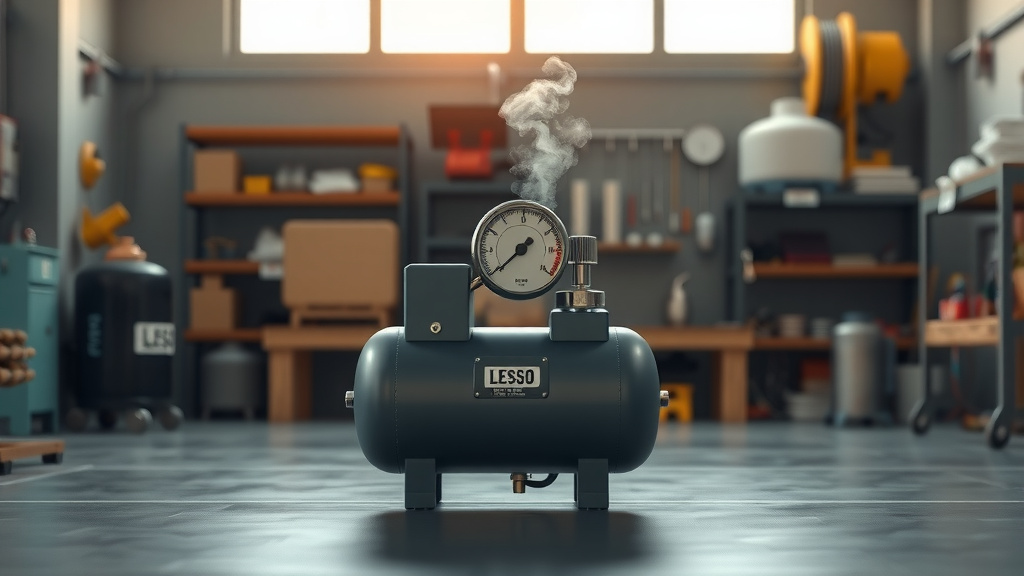
Your air compressor is likely overheating and shutting off due to issues like low oil, a clogged air filter, poor ventilation, or being overworked. It’s a common safety mechanism to prevent severe damage.
Addressing these root causes, from checking the oil level to ensuring adequate airflow, can often resolve why your air compressor is overheating and shutting off, keeping your equipment running safely.
- Your air compressor shuts down when it gets too hot to protect its internal parts from damage.
- Common reasons include not enough oil, a dirty air filter blocking airflow, or poor air circulation around the machine.
- Sometimes, your compressor is simply working too hard for too long without a break.
- Motor or belt problems can also create extra friction and heat, leading to an automatic shutdown.
- Regular checks and maintenance are key to keeping your compressor cool and operational.
Why Is My Air Compressor Overheating And Shutting Off?
Your air compressor overheats and shuts off primarily because its internal temperature rises beyond a safe operating limit. This automatic shutdown acts as a safety measure, much like a fuse blowing, to prevent irreversible damage to critical components. We found that the main culprits are often related to inadequate lubrication, restricted airflow, or excessive workload (Occupational Safety and Health Administration – OSHA).
Understanding Your Air Compressor’s Temperature Limits
Think of your air compressor as a marathon runner. It generates a lot of heat when it works hard. Every compressor has a designed temperature range where it operates best. Going above that range can cause parts to expand, wear down faster, and ultimately fail.
When the temperature sensor detects overheating, it triggers a shutdown. This is good news! It means your compressor is trying to tell you something is wrong before it breaks completely. Ignoring these warnings can lead to expensive repairs or even needing a new unit.
Common Culprits Behind Overheating and Shutdowns
Let’s dive into the usual suspects. Pinpointing the exact cause helps you fix it faster. You might be surprised how simple some solutions can be.
Low Oil or Wrong Oil Type
Just like a car engine, your air compressor needs proper lubrication. Without enough oil, or if you’re using the wrong type of oil, internal parts rub together. This creates a lot of friction, and friction equals heat. This heat quickly builds up, pushing your compressor past its safe temperature.
Always check your compressor’s oil level regularly. Refer to your owner’s manual for the correct oil type. Many experts say that using automotive engine oil in an air compressor can cause foaming and poor lubrication (Compressed Air & Gas Institute – CAGI).
The Dirty Air Filter Dilemma
Imagine trying to breathe through a thick, dusty cloth. That’s what a dirty air filter does to your compressor. It restricts the air intake. This makes the motor work harder to pull in enough air, increasing its operating temperature. A clogged filter also prevents cooling air from circulating efficiently.
A simple check of your air filter can often prevent overheating. If it looks grimy, it’s time for a replacement. This is usually a quick and inexpensive fix.
Poor Ventilation is a Heat Trap
Air compressors need room to breathe, especially around their cooling fins and vents. If your compressor is crammed into a small closet or tucked against a wall, heat gets trapped around it. This prevents the unit from dissipating heat into the surrounding air effectively.
Ensure there’s adequate space around your compressor, usually at least 12-18 inches on all sides. A well-ventilated area, perhaps with a fan blowing across it, can make a significant difference. Think of it like a hot day; you want a breeze, not stale, still air.
Working Too Hard? (Duty Cycle Overload)
Every air compressor has a “duty cycle.” This tells you how long it can run continuously before needing a rest. Many smaller compressors, for instance, are designed for a 50% duty cycle. This means they should only run half the time they are turned on.
If you’re using a small compressor for a continuous, heavy-demand tool, it will quickly overheat. It’s like asking a sprint runner to run a marathon. It simply isn’t built for that kind of sustained effort.
Here’s a quick look at how duty cycles might affect compressor choice:
| Compressor Type | Typical Duty Cycle | Best For |
|---|---|---|
| Small Portable | 50% or less | Intermittent tasks (tire inflation, nail guns) |
| Medium Shop | 60-75% | Moderate use (impact wrenches, sandblasting) |
| Industrial/Rotary Screw | 100% (continuous) | Heavy, constant demand (factories) |
Motor Maladies: Bearings and Wiring
The motor is the heart of your compressor. Worn motor bearings can create extra friction and heat. Likewise, loose or corroded electrical wiring can lead to increased resistance, which also generates heat. If you hear unusual grinding or buzzing sounds from the motor, these could be warning signs.
Motor issues often require professional attention. Trying to fix complex electrical or internal motor problems yourself can be dangerous. We found that incorrect motor sizing can also lead to premature failure and overheating (National Electrical Manufacturers Association – NEMA).
Loose or Worn Belts
Belt-driven compressors rely on belts to transfer power from the motor to the pump. If these belts are loose, they can slip. Slipping generates friction and heat. Worn or frayed belts also create more resistance and can eventually break, bringing your operation to a halt.
Check your belts for proper tension and signs of wear. A little maintenance here can save you a lot of headache. A simple adjustment or replacement can often fix this heat-generating problem.
Pressure Switch Playbook
The pressure switch tells your compressor when to start and stop, based on the air tank’s pressure. If this switch malfunctions, it might not cut off the compressor when the tank is full. This causes the compressor to “deadhead,” continuously trying to build pressure against a closed system. This quickly leads to overheating.
If your compressor runs constantly, even when the tank is at maximum pressure, suspect the pressure switch. This isn’t just about heat; it’s also about wasted energy and potential damage.
Cooling Fan Failure
Many compressors have a cooling fan designed to pull air over hot components. If this fan isn’t working – perhaps a blade is broken, or the motor is faulty – heat will build up rapidly. It’s like a car engine without a radiator fan; things get hot fast.
Visually inspect your cooling fan. Is it spinning freely? Are all the blades intact? Any issues here directly impact your compressor’s ability to stay cool.
High Ambient Temperatures
Sometimes, the problem isn’t the compressor itself, but its environment. If you’re running your compressor in a very hot garage during summer, or an unventilated shed, the ambient air temperature can be too high for the compressor to cool itself effectively. It’s already starting at a disadvantage.
Consider the operating environment. Can you move the compressor to a cooler spot? Or perhaps add some ventilation to the area? Sometimes, a simple environmental change is all it takes.
Troubleshooting Steps When Your Compressor Heats Up
Don’t panic when your compressor shuts down. Here’s a quick checklist to guide you:
- Check the oil level and type. Is it correct?
- Inspect the air filter. Is it dirty or clogged?
- Look at the surrounding area. Is there enough ventilation?
- Feel the compressor. Is it excessively hot to the touch?
- Listen for unusual noises from the motor or pump.
- Check belt tension and condition. Are they loose or worn?
Proactive Care: Keeping Your Compressor Cool
Prevention is always better than cure. By taking a few simple steps, you can significantly reduce the chances of your air compressor overheating. Regular maintenance is your best friend here.
- Maintain Proper Oil Levels: Check your oil weekly and change it according to the manufacturer’s schedule. This ensures smooth operation and reduces friction heat.
- Clean or Replace Air Filters: Inspect your air filter monthly, or more often in dusty environments. A clean filter allows for efficient airflow, keeping your motor from overworking.
- Ensure Good Ventilation: Always operate your compressor in a well-ventilated area. Give it room to breathe, preventing heat from getting trapped around the unit.
- Monitor Duty Cycle: Be mindful of how long you’re running your compressor continuously. Match the compressor size to your specific tasks to avoid overworking it.
- Inspect Belts and Components: Periodically check drive belts for tension and wear. Also, look for any visible damage to the cooling fan or other moving parts.
Conclusion
An air compressor overheating and shutting off is a clear signal that something needs your attention. It’s not just an inconvenience; it’s your machine’s way of protecting itself from severe damage. By understanding the common causes—from low oil and dirty filters to poor ventilation or simply working too hard—you’re well-equipped to diagnose the problem.
Remember, a little proactive maintenance goes a long way. Regular checks of oil, filters, and ventilation can keep your compressor running smoothly, safely, and efficiently for years to come. Don’t ignore the warning signs; address them promptly to avoid bigger headaches down the line.
How often should I check my air compressor’s oil?
You should check your air compressor’s oil level weekly, especially if you use it frequently. For oil changes, always follow the schedule recommended in your compressor’s owner’s manual, as it can vary by model and usage.
Can I use any motor oil in my air compressor?
No, you should only use the type of oil specified by your air compressor’s manufacturer. Using standard automotive motor oil can lead to issues like foaming, reduced lubrication, and premature wear, as compressor oils have specific additives and viscosities.
What’s the ideal temperature range for an air compressor?
Most air compressors are designed to operate optimally within a specific temperature range, typically between 35°F and 100°F (1.7°C and 37.8°C). Operating outside this range, especially in higher temperatures, can lead to overheating and reduced efficiency.
Is it normal for an air compressor to get warm during use?
Yes, it is completely normal for an air compressor to get warm during use, as the compression process naturally generates heat. However, it should not become excessively hot to the touch or trigger its thermal overload protection, which indicates a problem.
How do I know if my air filter needs cleaning or replacing?
Inspect your air filter visually. If it appears visibly dirty, clogged with dust, or discolored, it likely needs cleaning or replacement. A good rule of thumb is to check it monthly and replace it every few months, depending on how dusty your work environment is.
