
What Is a Two Stage Air Compressor?
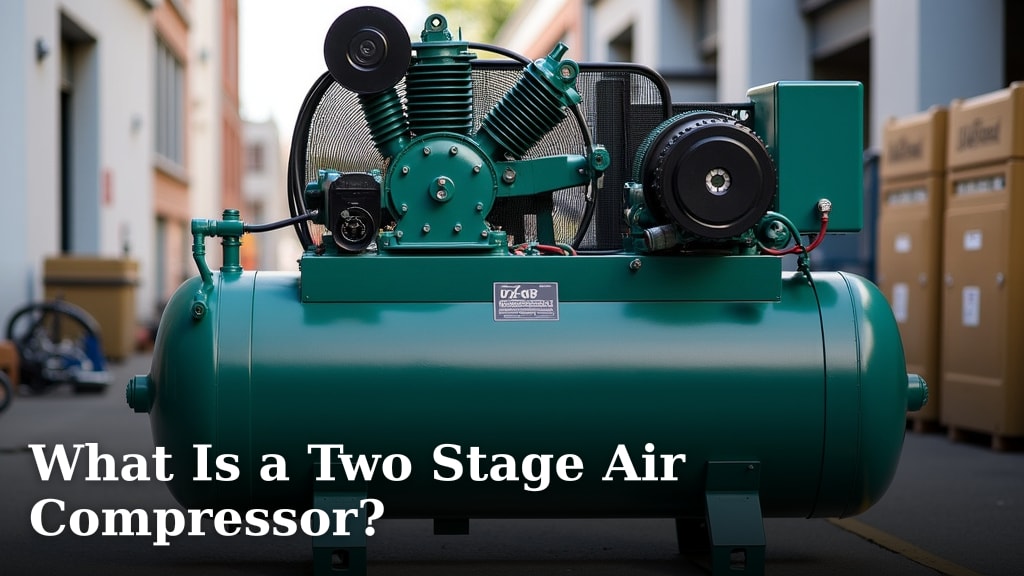
A two-stage air compressor is a type of air compressor that compresses air twice to reach a higher pressure. This method makes them more efficient and powerful than single-stage models. You will often see them in demanding industrial or automotive settings.
You might wonder why two stages are better than one, right? We found that these compressors can deliver more consistent air pressure. This makes them ideal for tools that need a lot of sustained power. They are also known for running cooler and lasting longer.
- Two compression steps make them very efficient.
- They reach higher pressures than single-stage compressors.
- Great for heavy-duty jobs and professional use.
- Often found in shops and industrial environments.
- Generally more durable and long-lasting.
Ready to understand the magic behind these powerful machines? We will walk you through exactly how a two-stage air compressor works and why it might be the right choice for your needs.
Understanding Two-Stage Air Compression
A two-stage air compressor works by compressing air in two distinct steps. This method allows it to reach higher pressures and operate more efficiently than single-stage models. It is like taking two deep breaths instead of one big gasp.
You might be thinking, “How does compressing air twice make such a difference?” Well, we found that dividing the work into two stages reduces the heat generated during compression. This makes the entire process smoother and more effective.
The Journey of Air: First Stage
In the first stage, air from the atmosphere enters the first compression cylinder. Here, a piston moves to reduce the volume of the air. This initial compression increases the air’s pressure and temperature, but not to its final desired level.
Think of it as the air taking its first step on a staircase. It goes up a bit, gaining some pressure. This partially compressed air then needs to cool down before its next big push.
Intercooling: A Crucial Step
After the first stage, the compressed air flows through an intercooler. This device is essentially a radiator that removes heat from the air. Cooling the air is vital for several reasons.
We found that cooling the air before the second stage significantly improves efficiency. Cooler air is denser, meaning more air molecules can be compressed in the second stage. This also protects the components of the second stage from excessive heat, extending the compressor’s lifespan.
The Second Compression Stage
Once cooled, the air moves into the second, smaller compression cylinder. Here, another piston further compresses the air to its final, much higher pressure. This is where the air reaches the pressure needed to power your tools.
This second push is the final step on the pressure staircase. The air is now at its peak pressure, ready for action. It then exits the compressor and heads to the storage tank or directly to your air tools.
How Two Stages Boost Performance
You might wonder why all this effort for two stages? We found several key benefits. The two-stage process allows for higher pressure output, often up to 175 PSI or more, compared to single-stage models that typically max out around 135 PSI.
Additionally, because the air is cooled between stages, the compressor runs much cooler overall. This reduced heat means less wear and tear on internal components. Cooler operation translates to greater durability and a longer life for your machine, which is a big plus for your investment.
Single-Stage vs. Two-Stage: A Direct Comparison
When considering an air compressor, you will inevitably compare single-stage and two-stage models. While both compress air, their methods and applications are quite different. Understanding these differences will help you choose the right tool for your needs.
Think of it like comparing a sedan to a pickup truck. Both get you from A to B, but one is designed for lighter loads and everyday use, while the other excels at heavier, more demanding tasks.
Key Operational Differences
A single-stage compressor compresses air once to its final pressure. This process is simpler and generally means a lower upfront cost. However, it also means the compressor works harder to reach its pressure, often resulting in more heat and less efficiency for sustained use.
A two-stage compressor, as we discussed, divides the work. This two-step compression with intercooling makes it more efficient, allows for higher pressures, and reduces operational temperatures. This translates to better performance for long or intensive applications.
| Feature | Single-Stage Air Compressor | Two-Stage Air Compressor |
|---|---|---|
| Compression Cycles | One compression cycle per piston stroke. | Two compression cycles per piston stroke (intercooled). |
| Maximum PSI | Typically up to 135 PSI. | Often 175 PSI or higher. |
| Efficiency | Lower efficiency for continuous, high-demand tasks. | Higher efficiency due to reduced heat and denser air. |
| Heat Generation | Higher operating temperatures. | Lower operating temperatures thanks to intercooling. |
| Lifespan | Generally shorter lifespan under heavy use. | Longer lifespan due to reduced wear and tear. |
| Cost | Lower initial purchase price. | Higher initial purchase price. |
| Best Use | DIY projects, occasional use, smaller air tools. | Industrial, automotive, continuous heavy-duty applications. |
When to Choose a Two-Stage Compressor
So, how do you know if a two-stage unit is right for you? We found that if you’re frequently using air tools that require consistent, high-pressure airflow, a two-stage compressor is likely your best bet. Think about tools like impact wrenches, sanders, or paint sprayers used in a professional setting.
If your work involves continuous operation or tasks that demand a lot of air, the efficiency and durability of a two-stage model will pay off. Many professionals in auto body shops, manufacturing, or large workshops rely on these powerful machines (OSHA guidelines often emphasize consistent air pressure for safety and tool function).
Considerations for Your Purchase
Before you commit, think about your specific needs. Here’s a quick checklist to guide your decision:
- Will you be using air tools for extended periods?
- Do your tools require more than 135 PSI for optimal function?
- Is efficiency and lower operating temperature important for your workload?
- Are you looking for a compressor that offers a longer service life?
- Do you have the budget for a higher initial investment that pays off over time?
If you answered “yes” to most of these, a two-stage air compressor is probably what you need. It’s an investment in power, efficiency, and longevity for your toughest jobs.
The Advantages of Two-Stage Compressors
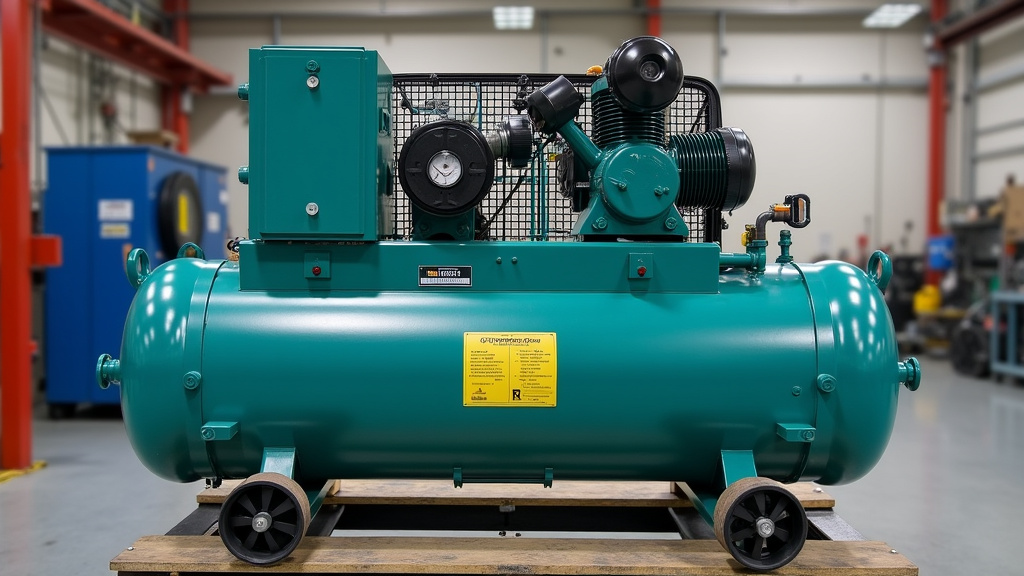
Beyond the technical workings, two-stage air compressors bring several practical benefits to your workspace. You’ll find these advantages contribute significantly to productivity and the overall experience of using air tools.
Superior Efficiency and Power Delivery
One of the biggest upsides is their efficiency. Because of the intercooling process, the air is denser before the second compression, meaning more air molecules get squeezed into the same volume. This allows the compressor to deliver more CFM (Cubic Feet per Minute) at higher pressures, which is critical for many demanding tools.
We found that this increased efficiency translates to less energy waste. While the initial cost may be higher, the operational savings over time can be substantial, especially for businesses with high air demands.
Extended Tool and Compressor Lifespan
The cooler operation of a two-stage compressor is a game-changer for durability. Reduced heat means less stress on the internal components of the compressor itself. This directly contributes to a longer operational lifespan for the unit.
Furthermore, because the compressor provides a more consistent and powerful airflow, your air tools often operate more effectively. This means less strain on your tools, potentially extending their life as well. It’s a win-win for both your equipment.
Reduced Moisture and Better Air Quality
The intercooling process does more than just cool the air. When the hot, compressed air passes through the intercooler, it cools rapidly. This rapid cooling causes some of the moisture in the air to condense and fall out, often collected in a trap before the second stage.
You will find that this leads to drier air being delivered to your tank and tools. Drier air is crucial for many applications, especially painting or sensitive pneumatic equipment, as it prevents rust and improves tool performance. Many industrial standards require dry air for specific processes (National Institute for Occupational Safety and Health).
Conclusion
Choosing the right air compressor depends entirely on your needs. You now understand that a two-stage air compressor offers superior efficiency, higher pressures, and a longer lifespan, making it ideal for demanding tasks. We found that while the initial investment might be higher, the operational savings and durability make it a wise choice for professional and heavy-duty applications. Consider your workload and tool requirements carefully.
If your projects call for consistent power and reliability, investing in a two-stage unit will undoubtedly enhance your productivity and equipment longevity.
Frequently Asked Questions
What is the main difference between a single-stage and a two-stage air compressor?
The primary difference lies in the compression process. A single-stage compressor compresses air once, while a two-stage compressor compresses air twice, with an intercooling step in between. This second stage allows for higher pressures and greater efficiency.
Are two-stage air compressors louder than single-stage models?
Not necessarily. While they are more powerful, the noise level largely depends on the specific model, insulation, and motor type. Many modern two-stage compressors are designed with noise reduction in mind, similar to their single-stage counterparts.
Do two-stage air compressors require more maintenance?
Regular maintenance, such as oil changes and filter replacements, is crucial for both types. However, because two-stage compressors run cooler, they often experience less wear and tear on internal components, potentially leading to a longer time between major repairs.
Can I use a two-stage compressor for occasional DIY projects?
While you certainly can, it might be overkill and a larger investment than needed. Two-stage compressors excel in continuous, high-demand settings. For light, occasional DIY work, a single-stage compressor is usually more cost-effective and perfectly adequate.
Why is intercooling important in a two-stage air compressor?
Intercooling is vital because it cools the air between the first and second compression stages. We found that this cooling increases air density, which improves efficiency, reduces heat buildup, and extends the lifespan of the compressor by protecting its components.
