What Is Direct Drive Air Compressor?
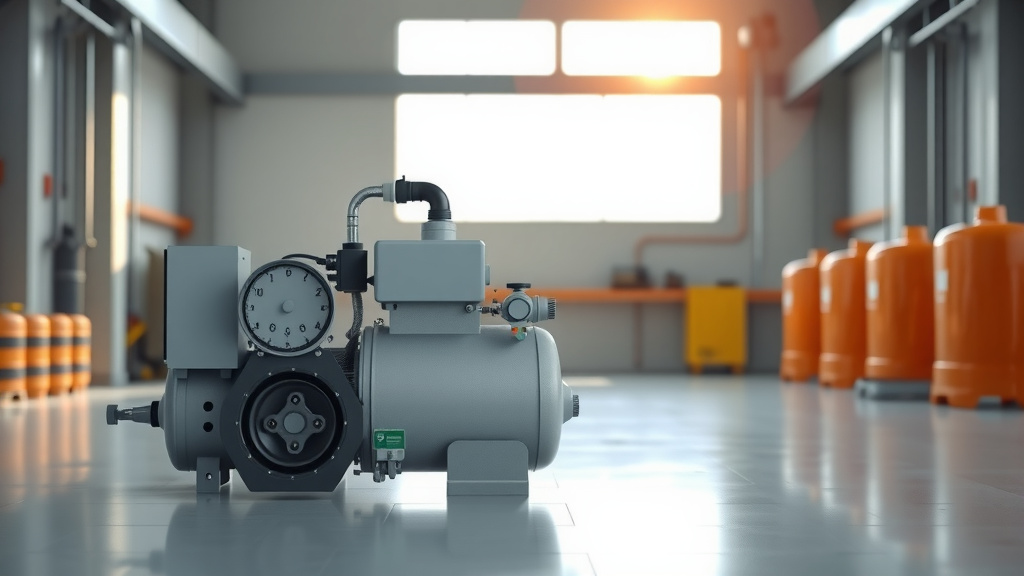
A direct drive air compressor connects the motor directly to the pump, transmitting power without belts or pulleys. This design often leads to a more compact, efficient system for your air needs.
You’ll find these compressors are typically smaller and simpler in design compared to their belt-driven counterparts, making them a popular choice for many workshops and home garages.
- TL;DR: Direct drive air compressors link the motor right to the pump for straightforward power.
- They are often more efficient and compact due to fewer moving parts.
- Expect less maintenance because there are no belts to tension or replace.
- These units can be noisier than belt-driven models, but they offer good value for general tasks.
- They’re a solid pick for those needing reliable air power without a large footprint.
When you start looking for an air compressor, the choices can feel overwhelming, right? You might hear terms like “direct drive” and wonder what they actually mean for your tools and projects. Let’s break it down simply.
Imagine your car’s engine. A direct drive system is like having the engine directly connected to the wheels, no complicated transmissions in between. This means less wasted energy and more direct power delivery.
What Is Direct Drive Air Compressor?
A direct drive air compressor has its electric motor directly coupled to the compressor pump. This setup delivers power straight from the motor to the pump, minimizing energy loss.
There are no belts, flywheels, or pulleys involved, which simplifies the design significantly. This direct connection is key to understanding its characteristics.
How Does Direct Drive Work?
Think of it like a bicycle without a chain. The motor’s shaft directly spins the pump’s crankshaft. This direct connection means every bit of rotational force from the motor goes right into compressing air.
We found that this design is much simpler mechanically. Fewer parts often mean less chance for things to break or need adjustment over time.
The Core Benefit: Efficiency
Without belts to slip or bearings to add friction, direct drive compressors tend to be very efficient. The power from the motor goes almost entirely into compressing air. This can mean lower electricity bills for you.
Many experts say this direct power transfer leads to a cooler running motor and pump in some models, which can be a real plus (research found).
Understanding the Compact Design
Because there’s no need for extra space for belts or large flywheels, direct drive units are often more compact. They take up less room in your workshop or garage, which is a huge benefit if space is tight.
You can easily move many of these smaller units around, making them quite portable for various jobs.
Maintenance: A Simpler Life
No belts means no belt tensioning, no worn-out belts to replace, and no belt squeal. This significantly reduces routine maintenance tasks for you.
Less moving parts often translates to fewer potential failure points, giving you more uptime for your projects.
Noise Levels: What to Expect
One thing you might notice with direct drive compressors is that they can be a bit louder. The motor and pump typically run at higher RPMs and are often enclosed together, which can amplify sound.
When you’re working, wearing ear protection is always a good idea, especially with these types of compressors (Occupational Safety and Health Administration).
Lifespan: Are They Durable?
While simpler, the motor and pump on direct drive units are often closely integrated. If one part fails, replacing the entire unit can sometimes be the only practical option, we found. They are built for consistent, moderate use.
For intermittent tasks or home DIY, they can last a long time. For very heavy, continuous industrial use, a different design might offer better longevity.
Direct Drive vs. Belt Drive: A Quick Comparison
It’s helpful to see how direct drive stacks up against its common cousin, the belt drive compressor. Each has its place depending on your needs.
| Feature | Direct Drive | Belt Drive |
|---|---|---|
| Efficiency | Higher (direct power transfer) | Lower (some power loss via belts) |
| Size | More compact, often portable | Larger, heavier |
| Noise | Can be louder | Generally quieter (lower RPMs) |
| Maintenance | Lower (no belts) | Higher (belt tension, replacement) |
| Lifespan | Good for intermittent use | Better for continuous, heavy use |
When to Choose a Direct Drive Compressor
So, is a direct drive unit right for you? It really depends on what you plan to do with it. If you’re a hobbyist or need a compressor for occasional tasks, it’s often a perfect match.
Here’s a quick checklist to see if this type suits your needs:
- You need a portable unit for various locations.
- Space in your workshop or garage is limited.
- Your projects involve tools like nail guns, staplers, or tire inflation.
- You prefer low maintenance and simple operation.
- Budget is a consideration, as they often have a lower upfront cost.
Practical Uses for Direct Drive Compressors
These compressors are surprisingly versatile. You’ll often find them used for:
- Inflating tires for cars, bikes, and sporting equipment.
- Running small air tools like brad nailers and staplers.
- Cleaning workspaces with an air blow gun.
- Hobby painting or airbrushing projects.
- Light automotive tasks.
They are excellent for jobs that don’t require continuous, heavy air flow for long periods.
Tips for Extending Your Compressor’s Life
Even though direct drive units are simpler, a little care goes a long way. Treat your compressor well, and it will serve you for years.
- Always drain the moisture from the tank after each use to prevent rust.
- Check and change the air filter regularly to ensure clean air intake.
- Keep the cooling fins clean for optimal heat dissipation.
- Store it in a dry, temperate place to avoid extreme conditions.
- Follow the manufacturer’s guidelines for oil changes if it’s an oiled unit.
Taking these small steps can make a big difference in the longevity and performance of your machine.
Conclusion
A direct drive air compressor offers a compelling package of efficiency, portability, and low maintenance. It’s an excellent choice for anyone needing a reliable air source for DIY projects, home garage tasks, or light professional use.
By understanding its direct connection, you can appreciate its simplicity and often higher efficiency. While potentially louder, its compact nature and ease of care make it a very attractive option for many users. Choosing one means opting for straightforward power delivery for your everyday air needs.
What is the main advantage of a direct drive air compressor?
The main advantage is its high efficiency, as power from the motor transfers directly to the pump with minimal loss. This design results in less energy waste and often a more compact unit.
Are direct drive air compressors louder than belt-driven ones?
Generally, yes, direct drive compressors can be louder. They often operate at higher RPMs, and the motor and pump are closely integrated, which can increase overall noise output compared to belt-driven models.
Can a direct drive air compressor be used for heavy-duty applications?
Direct drive compressors are typically better suited for intermittent use and lighter applications, like powering nail guns or inflating tires. For continuous, heavy-duty industrial tasks, a belt-driven or rotary screw compressor might be a more durable choice.
Do direct drive compressors require oil?
Some direct drive air compressors are “oil-lubricated,” meaning they use oil to lubricate moving parts, and require regular oil changes. Others are “oil-free,” using special coatings instead, which means no oil maintenance is needed for the pump itself.
Is a direct drive compressor more expensive to maintain?
No, direct drive compressors are typically less expensive to maintain. They lack belts, pulleys, and flywheels, eliminating the need for belt tensioning or replacement, which reduces common maintenance tasks and associated costs.