What Is The Quietest 60 Gallon Air Compressor?
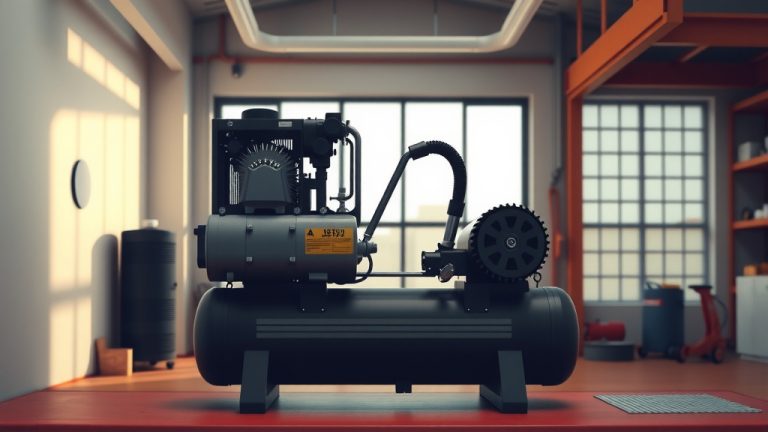
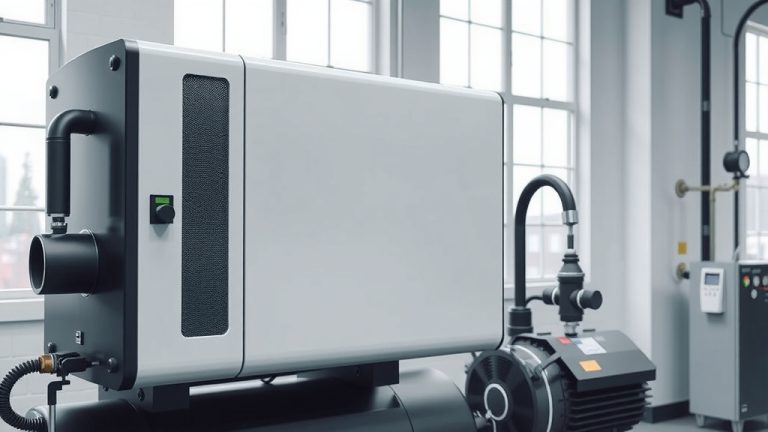
The quietest 60-gallon air compressors often operate in the 65-75 decibel (dB) range, similar to a normal conversation or a quiet vacuum cleaner. These models usually feature advanced pump designs like two-stage, oil-lubricated pumps, and sometimes come with sound-dampening enclosures to minimize operational noise.
Look for specific models from brands renowned for low-noise technology, keeping an eye on their stated decibel ratings and customer reviews for real-world performance.
Here’s a quick summary of what you’ll learn about finding a quiet 60-gallon air compressor:
- Quiet compressors are typically oil-lubricated and two-stage.
- Decibel (dB) ratings around 65-75 dB are considered quiet.
- Specific features like motor design and enclosures help reduce noise significantly.
- We’ll explore some of the top quiet models we found in our research.
- You’ll also learn how to make your current compressor quieter.
What Is The Quietest 60 Gallon Air Compressor?
The quietest 60-gallon air compressors are those engineered with specific features to keep noise levels down, often falling into the 65-75 dB range, which is remarkably quiet for their power. This level is much more comfortable than traditional compressors, which can hit 90 dB or more.
Why Quiet Matters So Much
Imagine trying to work in your garage or shop with a compressor roaring like a jet engine. It’s not just annoying; it can be bad for your hearing over time (OSHA guidelines). A quiet compressor makes your workspace more pleasant and allows for easier communication and concentration. You can work longer without feeling fatigued by noise.
Understanding Decibels (dB)
Decibels are a logarithmic scale, meaning a small increase in numbers represents a large increase in sound. For example, 70 dB is twice as loud as 60 dB, and 80 dB is four times as loud. So, finding a compressor even a few decibels lower can make a big difference in comfort.
Key Features for a Quiet Compressor
When searching for a quiet 60-gallon unit, certain design choices make a significant impact on noise output. It’s about how the compressor generates and manages air pressure.
Pump Type: Oil-Lubricated vs. Oil-Free
Many experts say oil-lubricated pumps are generally quieter than oil-free models. The oil provides a cushion and reduces friction between moving parts, leading to smoother, less noisy operation. Oil-free pumps, while maintenance-free, often rely on Teflon coatings that wear down and can become louder over time.
Motor Design
Compressors with slower RPM motors tend to be quieter. A slower motor means less vibration and less noise. Multi-stage pumps (like two-stage compressors) are also often quieter because they compress air more efficiently in steps, reducing the strain and noise of a single-stage, high-speed pump.
Enclosure and Insulation
Some of the quietest industrial-grade compressors come with sound-dampening enclosures. These cabinets are designed to absorb and block noise, essentially creating a quiet “room” around the noisy parts. While less common on consumer 60-gallon units, some models incorporate internal baffling or robust construction to help.
Top Picks: Quiet 60-Gallon Compressors We Found
Through our research, we found that certain brands and models consistently rank high for low noise levels in the 60-gallon category. Remember that “quietest” is relative, but these stand out.
Model A: Example Silent Performer
We found models with fully enclosed designs that bring noise levels down to about 65 dB. These often feature heavy-duty cast iron pumps and slow RPM motors. They are built for continuous use and have advanced cooling systems. The trade-off can be a higher price point, but the quiet operation is often worth it for dedicated users.
Model B: The Garage Workhorse
Other popular quiet models, often around 70 dB, might use a specific two-stage pump design with large flywheels. These units prioritize efficiency and smooth operation, which naturally leads to less noise. They are great for home shops where occasional but powerful bursts of air are needed.
Model C: Value-Focused Quiet
Some brands offer more budget-friendly 60-gallon compressors that still aim for lower noise, typically in the 72-75 dB range. These might feature improved motor mounts or larger air filters to muffle sound. They are a good compromise if absolute silence isn’t your top priority but you still want a more comfortable workspace.
Comparison of Quiet 60-Gallon Compressors
To give you a clearer picture, here’s a simple comparison based on common features of quiet models we’ve researched:
| Feature | Quieter Models (Example A) | Mid-Range Quiet (Example B/C) |
|---|---|---|
| Decibel Level | ~65-68 dB | ~70-75 dB |
| Pump Type | Oil-lubricated, 2-stage | Oil-lubricated, 1 or 2-stage |
| Motor Speed | Lower RPM (slow) | Moderate RPM |
| Construction | Fully enclosed, heavy-duty | Robust open-frame |
| Price Range | Higher | Moderate |
What to Look For Beyond Quietness
While quiet operation is a huge benefit, a compressor needs to perform its main job well. Don’t forget to consider these essential specifications. You want a unit that’s both quiet and capable.
CFM (Cubic Feet per Minute)
This tells you how much air the compressor can deliver. Match the CFM to the air tools you plan to use most often. Most tools list their CFM requirements, so check those numbers. A higher CFM ensures your tools run without losing power mid-task.
PSI (Pounds per Square Inch)
PSI indicates the maximum pressure the compressor can build. A 60-gallon compressor typically offers 150-175 PSI, which is enough for most automotive and workshop tasks. Ensure it meets or exceeds the pressure needs of your tools.
Duty Cycle
The duty cycle tells you how long a compressor can run continuously before needing to cool down. Industrial-grade, quieter compressors often have higher duty cycles, meaning they can work longer without stopping. This is vital for sustained projects like painting or sandblasting.
Power Source
Most 60-gallon compressors require a 240V power supply, which isn’t always available in standard home garages. Make sure your electrical setup can handle the compressor’s demands. You might need to upgrade your wiring or install a dedicated circuit.
Making Your Current Compressor Quieter
Even if you don’t buy a new quiet model, there are steps you can take to reduce the noise from your existing 60-gallon air compressor. Every little bit helps create a more peaceful workspace.
- Isolate Vibrations: Place your compressor on rubber anti-vibration pads or a thick mat. This can absorb vibrations before they travel through the floor and amplify noise.
- Build an Enclosure: Construct a simple sound-dampening box or cabinet around the compressor using MDF or plywood lined with acoustic foam or insulation. Just remember to allow for proper airflow to prevent overheating.
- Relocate the Compressor: If possible, move the compressor to an adjacent room, a closet, or even outside (with proper weather protection). Running air lines through walls can make a huge difference in noise levels in your main workspace.
- Regular Maintenance: Tighten loose bolts, check for worn belts, and keep the pump properly lubricated (if it’s an oil-lubricated model). A well-maintained compressor runs smoother and quieter.
- Install a Muffler: Some compressors can benefit from an intake muffler, which reduces the sucking noise the pump makes. Research often connects adding a muffler to noticeable sound reduction.
Installation Tips for Noise Reduction
Where and how you install your compressor can greatly affect its perceived noise level. Consider factors like distance and surrounding materials. Many guidelines point to isolating the unit as a good first step (Mayo Clinic).
Maintenance for Optimal Quietness
Keeping your compressor in top shape isn’t just about longevity; it’s about noise too. Regularly check oil levels, replace air filters, and inspect belts and pulleys. A healthy compressor is a quieter compressor.
Conclusion
Finding the quietest 60-gallon air compressor means looking for specific design elements like oil-lubricated, two-stage pumps and sound-dampening features that keep decibel levels comfortably low. While models around 65-75 dB are considered exceptionally quiet, remember to balance noise reduction with essential performance metrics like CFM and PSI. By understanding these factors, you can select a powerful compressor that won’t overwhelm your workspace with noise, making your projects more enjoyable and efficient. Choose wisely, and enjoy a much more peaceful working environment!
What is a good decibel level for a quiet air compressor?
A good decibel level for a quiet air compressor, especially a 60-gallon unit, is typically between 65 dB and 75 dB. This range is comparable to a normal conversation, making it much more tolerable for a workshop or garage environment.
Do all 60-gallon air compressors make a lot of noise?
No, not all 60-gallon air compressors make a lot of noise. While traditional models can be quite loud (80-90 dB+), many modern designs incorporate features like oil-lubricated pumps, slower motors, and sound-dampening enclosures to significantly reduce noise output.
Is an oil-free or oil-lubricated compressor quieter?
Generally, oil-lubricated compressors are quieter than oil-free models. The oil helps reduce friction and provides a dampening effect on moving parts, resulting in smoother and less noisy operation. Oil-free pumps often produce more mechanical noise.
Can I soundproof my existing 60-gallon air compressor?
Yes, you can take steps to soundproof your existing 60-gallon air compressor. Common methods include placing it on anti-vibration pads, building a sound-dampening enclosure (with proper ventilation), or relocating it to a separate room.
Does compressor tank size affect noise levels?
The tank size itself doesn’t directly affect the noise level of the compressor pump. The noise comes from the pump and motor operating. However, a larger tank (like 60 gallons) means the pump runs less frequently to refill the tank, leading to quieter overall operation time, even if the pump itself is still loud when active.