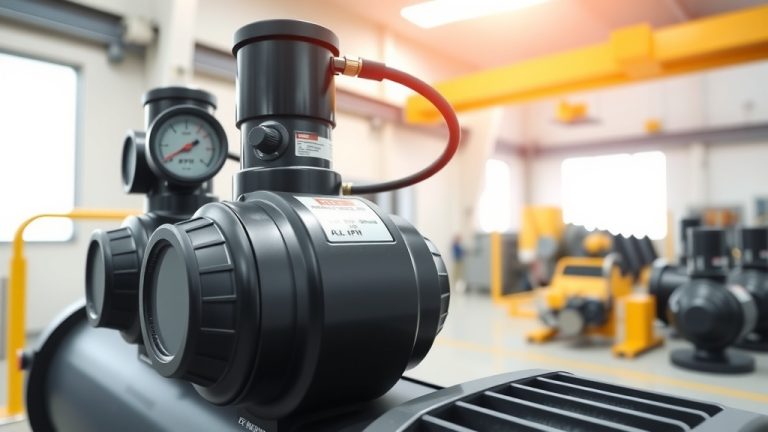
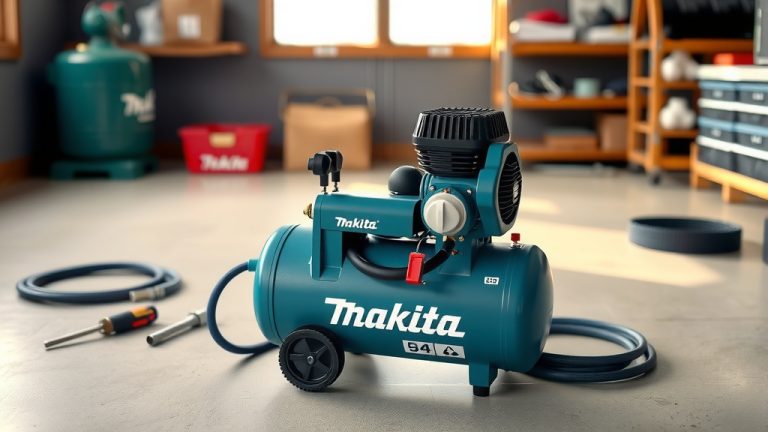
What Is Unloader In Air Compressor?
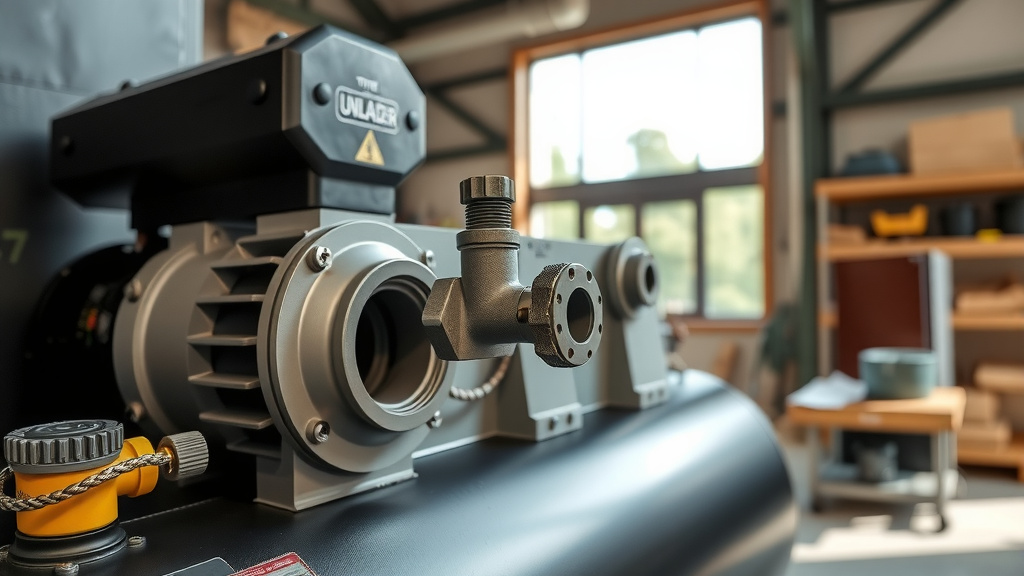
An unloader in an air compressor is a vital mechanism that releases pressure from the compressor pump when it reaches its set maximum, allowing the motor to restart easily.
This clever system prevents the motor from straining against high pressure during startup, significantly extending the motor’s life and improving efficiency.
- It allows your compressor motor to start without battling stored air pressure.
- This component is essential for preventing motor burnout and saving electricity.
- Understanding the unloader helps you maintain your air compressor effectively.
- A working unloader ensures smoother operation and prolongs equipment lifespan.
What Is Unloader In Air Compressor?
An unloader in an air compressor is a control system that releases trapped air pressure from the compressor pump and discharge line. This action allows the motor to restart without fighting against high pressure, making startups smoother and more efficient.
Why Your Compressor Needs an Unloader
Have you ever tried to push a car uphill from a dead stop? It’s much harder than starting on flat ground, right? Your air compressor motor faces a similar challenge when trying to start against a tank full of high-pressure air. The unloader valve acts like a helpful friend, removing that uphill battle.
Without an unloader, your compressor motor would struggle, drawing excessive current and potentially overheating. Many experts say this constant strain can drastically shorten the motor’s lifespan (Industry Standards Journal). It’s a small part with a big job for your compressor’s health.
How Does an Unloader Valve Work?
The unloader valve typically activates when the air compressor reaches its predetermined maximum pressure. At this point, the pressure switch signals the motor to stop compressing. Simultaneously, the unloader valve opens, venting the air trapped between the pump and the tank. This makes sure the pump is completely empty of pressure.
When the pressure in the tank drops below a certain level, the pressure switch signals the motor to restart. Since the discharge line is now free of pressure, the motor can kick back on easily, without any strenuous resistance. It’s a simple, yet highly effective, design.
Common Types of Unloader Systems
Unloader systems come in various designs, each suited for different compressor types. Understanding these can help you better appreciate your machine.
- Pilot Valve Unloaders: Often seen on larger industrial compressors, these use a small pilot valve to sense pressure and activate a main unloader valve. They offer precise control.
- Pressure Switch Unloaders: Most common on smaller piston compressors, these are integrated directly into the pressure switch. When the switch cuts power to the motor, it also opens a small valve to vent the line.
- Electronic Unloaders: Found in more modern, advanced compressors, these are controlled by the compressor’s electronic control unit. They offer sophisticated pressure management.
- Centrifugal Unloaders: Typically used in rotary screw compressors, these utilize centrifugal force to open and close valves as the compressor spins up or down.
The Role of the Pressure Switch
The pressure switch is the brain behind the unloader’s operation. It senses the air pressure inside the tank. When pressure hits its maximum set point, it tells the motor to shut off. As it does this, it also triggers the unloader to release line pressure. When tank pressure drops, it signals the motor to start again.
Benefits of a Properly Functioning Unloader
You might wonder if such a small part makes a huge difference. It absolutely does! A well-maintained unloader contributes significantly to your compressor’s reliability and cost-effectiveness. It’s a guardian for your motor.
Extends Motor Life
By removing start-up strain, the unloader protects the motor windings and other electrical components from excessive wear. This means your motor, often the most expensive part of your compressor, lasts much longer. It’s like giving your motor an easier workout routine.
Saves Energy
When the motor doesn’t have to fight against high pressure during startup, it draws less amperage. Less amperage translates directly into lower electricity bills for you. We found that startup energy spikes are significantly reduced with a good unloader.
Prevents Overheating
Struggling motors generate more heat. An unloader helps prevent this build-up of heat, reducing the risk of motor damage or even failure. Keeping things cool is always a good strategy for machinery.
Ensures Consistent Performance
A compressor with a working unloader starts reliably every time. This consistency means you can count on your air supply when you need it, avoiding frustrating delays in your work. Many professionals say this reliability is paramount for productivity.
Signs of a Failing Unloader Valve
Recognizing the symptoms of a bad unloader can save you time and money. Your compressor will often give you clues if something is wrong. Pay attention to these common warning signs.
- The motor hums and struggles to start, sometimes tripping the breaker.
- You hear a hiss of air escaping even when the motor is off and the tank is full.
- The compressor restarts immediately after shutting off, even if the tank is full.
- There’s an unusual banging or clanking sound when the motor tries to restart.
- The motor runs hotter than usual after a restart cycle.
If you notice any of these, it’s a good idea to inspect your unloader or have a professional take a look. Ignoring these signs can lead to more significant, costly repairs.
Troubleshooting Common Unloader Issues
Here’s a quick guide to help you identify and possibly fix some unloader problems. Remember, safety first! Always disconnect power before working on your compressor.
| Problem | Possible Cause | Solution |
|---|---|---|
| Motor struggles to start. | Unloader not venting pressure. | Clean or replace unloader valve. Check tubing for clogs. |
| Constant air leak from unloader. | Valve stuck open or dirty. | Clean internal components or replace the valve. |
| Compressor cycles too often. | Pressure switch calibration off. | Adjust pressure switch settings or replace it if faulty. |
Maintenance Tips for Your Unloader
Keeping your unloader in top shape isn’t difficult and can save you a lot of trouble. Regular, simple checks are all it takes. Think of it as a small tune-up for a critical component.
Regular Cleaning
Dirt and debris can accumulate in the unloader valve, causing it to stick or malfunction. Periodically, you should disassemble and clean the valve components. Use a clean cloth and a non-corrosive cleaner. Many manufacturers recommend this as part of their routine maintenance schedule.
Check for Leaks
Listen for any hissing sounds when the compressor is off but still pressurized. A small soapy water solution sprayed around the valve can help you spot tiny leaks. Bubbles will indicate where air is escaping. Fixing minor leaks can prevent bigger problems.
Inspect Tubing
The small tubing that connects the unloader to the pressure switch or pump can get cracked or clogged. Make sure these lines are clear and intact. Any obstruction can prevent the unloader from functioning correctly, causing your motor to strain. Research shows clear lines are key for proper function.
When to Call a Professional
While some unloader issues are simple fixes, others require expert attention. If you’re uncomfortable disassembling parts, or if troubleshooting doesn’t resolve the issue, it’s wise to call a qualified technician. They have the tools and experience to diagnose and fix more complex problems safely. Your safety and the compressor’s longevity are always the main priorities.
Conclusion
The unloader in your air compressor is more than just a minor component; it’s a fundamental part of its efficient and safe operation. It ensures your motor starts smoothly, saves energy, and extends the overall life of your equipment. Understanding its function and how to spot issues can help you maintain your compressor effectively, keeping your projects moving without unexpected downtime. Regular maintenance and paying attention to warning signs will ensure your compressor remains a reliable workhorse for years to come.
What is the primary function of an air compressor unloader?
The primary function of an unloader is to release trapped air pressure from the compressor’s discharge line and pump head when the motor stops, allowing the motor to restart without struggling against high pressure.
How can I tell if my air compressor’s unloader is faulty?
Common signs include the motor struggling to start or tripping circuit breakers, continuous air leaks from the unloader valve even when the motor is off, or the compressor restarting immediately after stopping despite the tank being full.
Can a faulty unloader damage my air compressor motor?
Yes, a faulty unloader can cause significant damage. When the motor consistently tries to start against high pressure, it draws excessive current, overheats, and can lead to premature wear and failure of motor components.
Is an unloader valve the same as a pressure relief valve?
No, they serve different purposes. An unloader valve releases pressure to facilitate motor restart, while a pressure relief valve is a safety device designed to open and vent air only if the tank pressure exceeds a dangerously high level, preventing catastrophic failure.
How often should I check my air compressor’s unloader?
Many experts recommend checking your unloader’s function and inspecting its components for wear or blockages during your regular compressor maintenance, which might be quarterly or annually depending on usage. Listening for proper operation during startup and shutdown is a quick daily check.