
Where Is The Air Compressor On A Dd15?
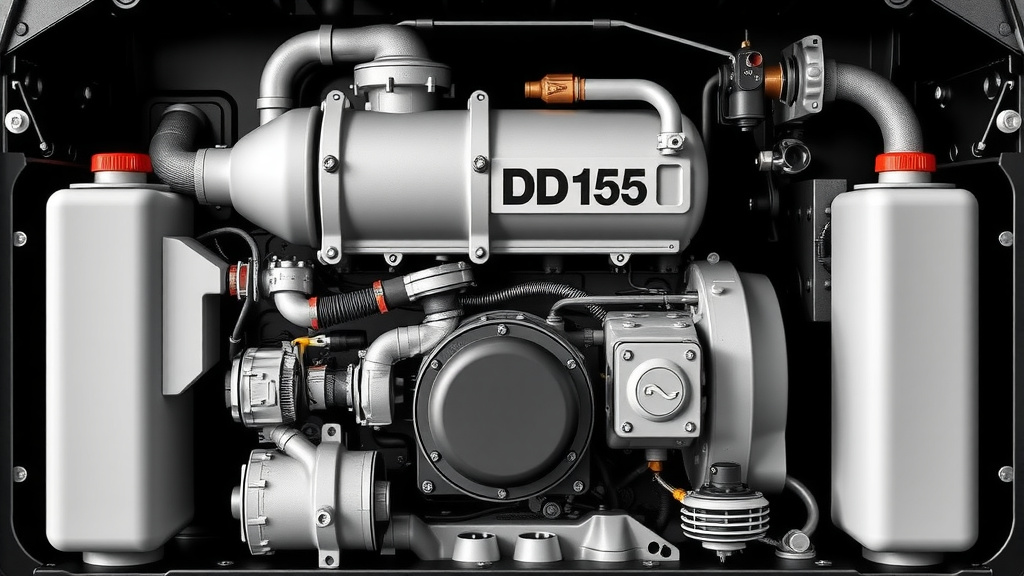
On a DD15 engine, the air compressor is typically mounted on the right-hand side of the engine, driven by the gear train.
You’ll find this essential component usually located near the engine’s front, playing a key role in systems like your air brakes and other pneumatic functions.
TL;DR: The air compressor on your DD15 is super important, powering many truck systems. Here’s a quick rundown:
- It lives on the right side of the engine, towards the front.
- It uses engine power to make the compressed air your truck needs.
- Look out for weird noises or air pressure drops – those are warning signs.
- Regular checks and changing the air dryer cartridge keep it running smoothly.
- Getting to know its location helps you spot problems early and keep your truck safe.
Where Is The Air Compressor On A Dd15?
Finding the air compressor on your DD15 engine is simpler than you might think. It’s a key player in your truck’s operation, so knowing its spot is really helpful. You’ll typically locate it on the right side of the engine, when you’re facing the engine from the front of the truck. This placement allows it to connect easily with the engine’s gear train for power.
Why Your DD15 Needs an Air Compressor
Think of your air compressor as the lungs of your truck’s pneumatic systems. Without it, you wouldn’t have air for your brakes, air ride suspension, or even your air horn! It’s what keeps these vital components working correctly and safely. Many experts say a healthy air compressor is non-negotiable for safe driving (Heavy-Duty Truck Maintenance Guide).
Key Location Details You Should Know
The DD15 engine is a powerhouse, and its components are strategically placed. For the air compressor, its position on the right side isn’t random. This setup helps it integrate smoothly into the engine’s design, making it easier to power. Always remember this specific location when you’re doing routine checks or troubleshooting.
Identifying the Compressor’s Position
When you pop the hood or get under the truck, look towards the front of the engine on the passenger side. You’ll often see hoses leading to and from it. It’s a somewhat bulky, metallic component, distinct from the other parts around it. Taking a moment to visually confirm its location can save you time later.
How Does the Air Compressor Work on Your DD15?
Your DD15’s air compressor doesn’t just magically make air. It takes in ambient air, compresses it, and then stores it in your truck’s air tanks. This compressed air is then distributed to various systems as needed. It’s a continuous cycle, ensuring you always have pressure available when you hit the brakes or adjust your ride height.
The Role in Air Brake Systems
This is arguably its most critical job. Your truck’s air brakes rely entirely on a steady supply of compressed air. When you press the brake pedal, air pressure is released, activating the braking mechanism. A failing compressor means risking your braking power, which is a serious safety concern.
Power Steering and Other Air Needs
Beyond brakes, compressed air assists with other features. Some trucks use air-assisted power steering. Your air suspension system definitely needs it to maintain proper ride height and comfort. Even smaller things like pneumatic seats and, of course, that loud air horn, all depend on this hardworking component.
Signs Your DD15 Air Compressor Might Be Troubled
Just like any other part, your air compressor can show signs of wear or impending failure. Being alert to these signals can prevent bigger problems down the road. Catching an issue early can often mean a simpler, less expensive repair. We always recommend listening to your truck carefully.
Common Symptoms to Watch For
Are you hearing unusual noises, like a distinct hiss or a knocking sound? Is your air pressure dropping faster than usual, even when parked? Maybe your air tanks aren’t filling as quickly. These are all clues that your compressor might be struggling. Many drivers report a change in brake feel as a first sign.
What Those Warning Lights Mean
Modern DD15 engines are smart, with sensors everywhere. If your dash lights up with an air system warning, don’t ignore it! This is your truck telling you something needs attention. It could be low air pressure or an issue with the compressor itself. Always check your gauges and address warnings promptly.
Keeping Your Air Compressor Healthy: Maintenance Tips
Prevention is always better than a cure, right? This holds especially true for your DD15’s air compressor. Regular maintenance ensures its longevity and keeps your truck operating safely and efficiently. A little care goes a long way here.
Regular Inspections are Key
We found that many successful truck operators include a visual check of the air compressor in their pre-trip routine. Look for any loose hoses, oil leaks, or signs of physical damage. A quick glance can reveal potential issues before they become serious. This habit keeps your truck road-ready and reliable.
The Importance of Air Dryer Cartridges
The air compressor pulls in air, which contains moisture. An air dryer system removes this moisture to prevent rust and ice buildup in your air lines. The air dryer cartridge is its heart, and it needs regular replacement. Think of it like a filter; it gets saturated over time. Engine manufacturer guidelines often specify replacement intervals, usually every 1-2 years or 100,000-200,000 miles. Don’t skip this vital service item.
Troubleshooting Basic DD15 Air Compressor Issues
Before you panic, sometimes issues are minor. First, check your air tanks; are they draining too fast? This might point to a leak elsewhere in the system, not necessarily the compressor. Also, check for obvious loose connections around the compressor itself. A simple wiggle test can sometimes fix a faulty sensor wire. Remember to always work safely!
Here’s a quick checklist for basic troubleshooting:
- Check air gauge readings frequently.
- Listen for unusual hissing or grinding sounds.
- Inspect air lines and fittings for leaks.
- Verify the air dryer cartridge’s last replacement date.
- Look for any visible signs of fluid leaks around the compressor.
- Ensure the drive belt (if applicable) is tensioned correctly.
Understanding potential causes can help. Here’s a brief look:
| Symptom | Possible Cause |
|---|---|
| Slow Air Buildup | Compressor wear, air leaks, restricted intake. |
| Excessive Oil in Air System | Worn compressor rings/seals. |
| Constant Air Dryer Purging | Air leaks, faulty dryer, compressor issues. |
| Loud Noises from Compressor | Internal component failure, bearing wear. |
When to Call a Professional
While basic checks are good, some problems need a professional touch. If you suspect an internal failure, or you’re just not comfortable working on your air system, it’s best to call a qualified mechanic. They have the right tools and expertise to diagnose and fix complex issues safely. Don’t compromise your safety or the truck’s integrity.
Conclusion
Knowing where your air compressor is on a DD15 and understanding its importance is a big step towards being a more informed truck owner or operator. It’s not just about a specific location; it’s about recognizing its role in your truck’s safety and performance. By paying attention to signs of trouble and keeping up with maintenance, you’re ensuring your DD15 stays reliable. Keep those air systems happy, and your truck will keep you moving safely down the road. We hope this guide helps you feel more confident about your DD15!
What is the main function of the air compressor on a DD15?
The main function of the air compressor on a DD15 engine is to generate and supply compressed air to various systems. This includes your critical air brake system, air suspension, and other pneumatic accessories like air seats and horns. It’s truly essential for your truck’s safe operation.
How often should I replace the air dryer cartridge for my DD15?
Service intervals for the air dryer cartridge can vary, but generally, manufacturers recommend replacement every 1 to 2 years or between 100,000 to 200,000 miles. Always check your specific DD15 service manual for the most accurate and personalized recommendations for your truck model and usage.
What sounds indicate a problem with the DD15 air compressor?
Unusual sounds like a constant hissing (indicating an air leak), a knocking or grinding noise from the compressor itself, or a noticeable change in the sound of the compressor cycling on and off can all point to an issue. Any new or louder noise should definitely be investigated.
Can a faulty air compressor affect engine performance?
While its primary job is supplying air for pneumatic systems, a severely faulty air compressor can indirectly affect engine performance. For instance, if it has internal issues that cause excessive drag on the engine, it could lead to reduced fuel efficiency or a slight power loss. Plus, any issue causing air leaks can affect engine vacuum if systems are interconnected.
Is it normal for the air compressor to cycle on and off frequently?
A certain amount of cycling is normal, as the compressor maintains air pressure in the tanks. However, if it’s cycling much more frequently than usual, it could indicate an air leak somewhere in your truck’s system, causing the compressor to work harder to keep the tanks full. Or, it could signal an issue with the compressor’s unloader valve. This warrants further investigation.
