
How Many Decibels Is An Air Compressor?
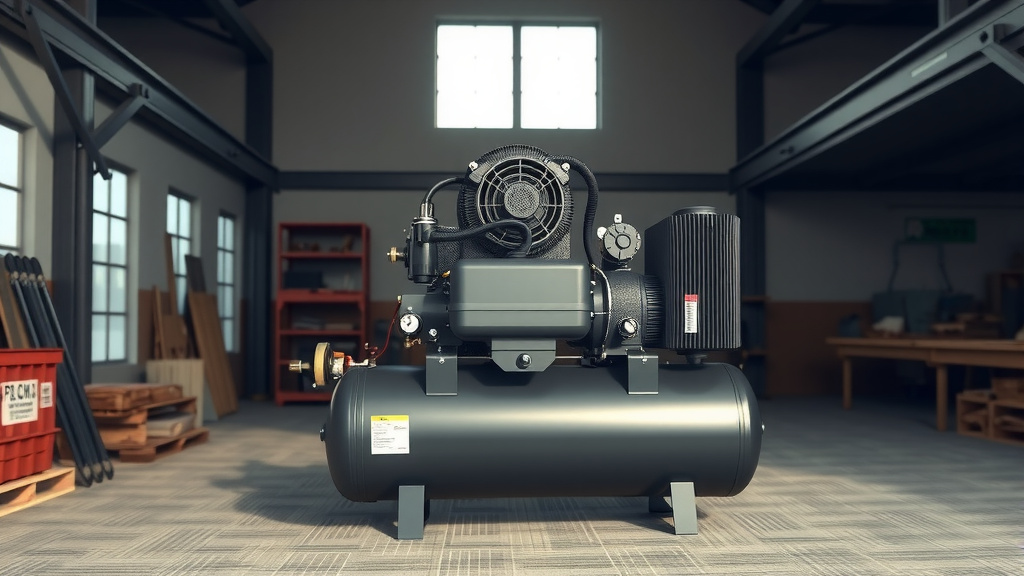
Most air compressors produce noise levels ranging from 60 to over 100 decibels (dB), similar to a noisy vacuum cleaner or a running lawnmower. The exact decibel level for an air compressor depends on its type, size, and motor design.
For example, a small pancake compressor might hit 90 dB, while a truly quiet model could operate around 60 dB, which is much easier on your ears.
- Your air compressor’s noise output can range from as quiet as normal conversation (60 dB) to as loud as a chainsaw (100+ dB).
- Smaller, oil-free compressors often register higher decibel levels, while larger, oil-lubricated models can sometimes be quieter.
- Excessive noise from your air compressor can cause hearing damage over time, making hearing protection a smart choice.
- Factors like motor type, pump design, and even your compressor’s age play a big part in how many decibels it produces.
- There are several ways to reduce compressor noise, from buying a “silent” model to building a simple sound-dampening enclosure.
How Many Decibels Is An Air Compressor?
An air compressor typically produces between 60 dB and 100+ dB of sound. This wide range means some are a gentle hum, while others are quite a roar.
Knowing your compressor’s decibel rating helps you understand its impact on your hearing and workspace comfort.
What’s the Big Deal About Air Compressor Noise?
You might wonder, why worry about a little noise? Well, prolonged exposure to loud sounds, especially above 85 dB, can cause permanent hearing damage (National Institute for Occupational Safety and Health, NIOSH).
Think about it: running a loud compressor for hours can be like standing next to a jackhammer for your ears. It is not something to ignore.
Understanding Decibels: A Quick Guide
Decibels are units for measuring sound intensity. The scale is logarithmic, meaning a small increase in decibels represents a much larger increase in sound pressure.
For instance, an 80 dB sound is ten times more powerful than a 70 dB sound. This makes even a few decibels difference feel very noticeable.
Everyday Sounds for Comparison
To put air compressor noise into perspective, consider these common sounds:
- Normal conversation: 60 dB
- Vacuum cleaner: 70 dB
- Lawnmower: 90 dB
- Chainsaw: 100-120 dB
If your compressor sounds like a lawnmower in your garage, you’re looking at significant noise levels.
What Makes a Compressor Loud?
Several things contribute to an air compressor’s noise level. We found that the main culprits are the motor and the pump doing all the work.
The type of motor, whether it’s universal or induction, and the pump design (oil-lubricated versus oil-free) play major roles.
| Compressor Type | Typical Decibel Range (dB) | Sound Comparison |
|---|---|---|
| Small Pancake/Hotdog (Oil-Free) | 80-95 dB | Garbage disposal, running blender |
| Portable Oil-Lubricated | 70-85 dB | Vacuum cleaner, busy street |
| Quiet/Silent Models | 40-70 dB | Refrigerator hum, normal conversation |
| Industrial/Shop (Larger) | 90-100+ dB | Lawnmower, motorcycle |
The Quieter Side: Low Decibel Air Compressors
If you value your hearing and your neighbor’s peace, you might want a quieter compressor. Many brands now offer “silent” or “low noise” models.
These units are designed with quieter motors, special enclosures, and sometimes different pump technologies to keep the decibels down.
Oil-Lubricated vs. Oil-Free Noise
Historically, oil-lubricated compressors were often quieter because the oil dampens internal moving parts. However, oil-free technology has come a long way.
Many modern “silent” compressors are oil-free, using clever designs to reduce friction and noise. So, oil-free doesn’t always mean loud anymore.
Inverter Technology for Silence?
Some newer compressors use inverter technology, similar to what you find in quiet air conditioners. This allows the motor to operate at variable speeds.
When less air is needed, the motor slows down, reducing both energy use and noise. This can make for a much more pleasant experience.
Is Your Air Compressor Too Loud?
If you have to shout over your compressor, it’s definitely too loud. Consider whether you get a headache after using it or if your ears ring.
These are all signs that you might be dealing with excessive noise exposure.
Signs Your Compressor is Too Loud: A Quick Check
- You struggle to hear a normal conversation nearby.
- Your ears ring or feel dull after use.
- Neighbors complain about the noise.
- You find yourself wanting to finish tasks quickly to escape the sound.
If any of these sound familiar, it’s time to think about noise reduction or hearing protection.
Practical Ways to Reduce Air Compressor Noise
You don’t always need to buy a new compressor to cut down on noise. There are several things you can do to make your current unit quieter. We found that simple changes can make a big difference in your workshop environment.
Think about where you place it and what materials are around it. Even minor adjustments can help quiet things down.
Building a Compressor Enclosure
A popular DIY solution is creating a sound-dampening enclosure. This can be a simple box made with plywood and lined with acoustic foam or mass-loaded vinyl.
Remember to ensure proper ventilation to prevent overheating, as restricted airflow can be a problem. Many experts suggest adding small fans.
Maintenance for a Quieter Machine
An air compressor that’s well-maintained tends to be quieter. Loose parts, worn belts, or a dirty air filter can all contribute to extra noise and vibration.
Regularly check and tighten fasteners, lubricate moving parts if it’s an oil-lubricated model, and replace filters. This keeps it running smoothly and quietly.
Choosing a Quiet Air Compressor: Your Checklist
When you’re ready to upgrade or buy new, keeping noise in mind is smart. Here’s a simple checklist to guide you:
- Look for models explicitly labeled “quiet” or “silent.”
- Check the decibel rating (dB) on the specifications; aim for 70 dB or below for comfort.
- Consider oil-lubricated models, or modern oil-free designs known for low noise.
- Research user reviews for real-world noise experiences.
- Factor in the compressor’s intended use and how long you’ll run it.
- Think about features like enclosed motors or vibration-dampening feet.
When to Seek Professional Advice
Sometimes, DIY fixes aren’t enough, or you need a compressor for a professional setting. If noise is a constant problem impacting your work or health, it might be time to consult an expert.
A professional can recommend specific quiet models or help design more extensive soundproofing solutions for your workspace. They can ensure you meet any local noise ordinances too.
Conclusion
Understanding how many decibels an air compressor produces is key to protecting your hearing and creating a comfortable work environment. From noisy pancake compressors to whisper-quiet models, a wide range of sound levels exists.
By knowing the factors that affect noise, choosing quieter options, and applying smart sound reduction techniques, you can make your air compressor experience much more pleasant and safer. Your ears will thank you!
What is considered a “quiet” decibel level for an air compressor?
Generally, an air compressor is considered “quiet” if its noise level is 70 dB or below. Many excellent models now operate in the 40-60 dB range, which is comparable to a refrigerator or normal conversation.
Does the tank size affect how loud an air compressor is?
Tank size itself doesn’t directly make a compressor louder or quieter. However, larger tanks mean the compressor runs less frequently to fill up, so while it might be loud when running, it runs for shorter bursts, potentially making it seem less intrusive overall.
Is hearing protection always necessary when using an air compressor?
For any air compressor operating above 85 dB, hearing protection is absolutely essential to prevent hearing damage. Even for quieter models, if you are working with it for extended periods, earplugs or earmuffs are a wise precaution.
Can a worn-out air compressor get louder over time?
Yes, definitely. A compressor that isn’t properly maintained can become significantly louder. Loose parts, worn bearings, a faulty motor, or even a clogged air filter can all contribute to increased noise and vibration.
Are rotary screw compressors quieter than piston compressors?
Rotary screw compressors are generally known for being quieter and running more smoothly than traditional piston (reciprocating) compressors, especially in larger industrial applications. They produce a more continuous hum rather than the pulsating noise of a piston model.
