How Often Do Air Compressors Explode?

Air compressor explosions are exceedingly rare when units are properly maintained and operated. Most incidents stem from severe neglect, faulty components, or improper usage of the air compressor itself.
Statistically, the chance of your air compressor exploding is incredibly low, especially with modern safety features.
- Explosions are very uncommon with proper care and attention.
- Lack of consistent maintenance is the biggest risk factor.
- Pressure relief valves are vital safety features that prevent over-pressurization.
- Regular inspections, both user and professional, can prevent most problems.
- User error or modifications also play a role in rare, unfortunate incidents.
How Often Do Air Compressors Explode?
Thankfully, air compressor explosions are exceptionally rare events in modern times. When they do occur, they almost always link back to a severe lapse in maintenance or improper operation.
The Real Risk: Neglect, Not Design
It’s natural to wonder about safety, especially with pressurized equipment. We found that the vast majority of air compressors operate for decades without incident. Most problems arise from ignoring basic upkeep.
Think of it like a car; it’s generally safe, but if you never change the oil or check the tires, problems will appear. An air compressor works much the same way.
Why Does Pressure Build Up?
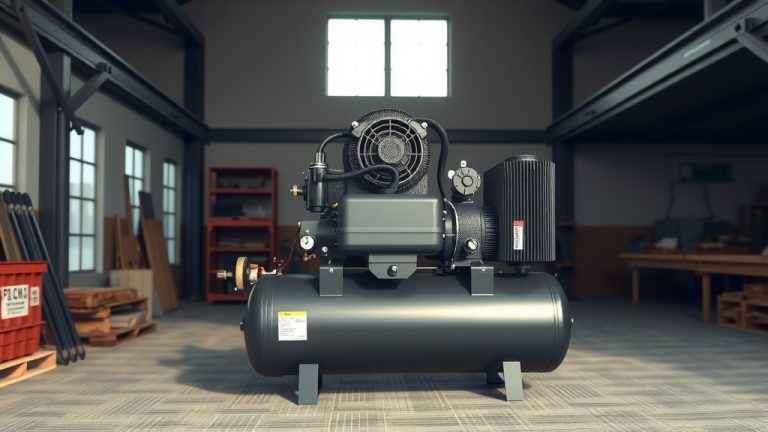
Air compressors work by taking in ambient air and compressing it into a smaller volume. This process creates high pressure inside the tank. That pressure is what gives your tools power.
But too much pressure is dangerous. That’s why safety mechanisms are critical. They stop the unit from ever reaching an unsafe level.
Your Lifesaving Pressure Relief Valve
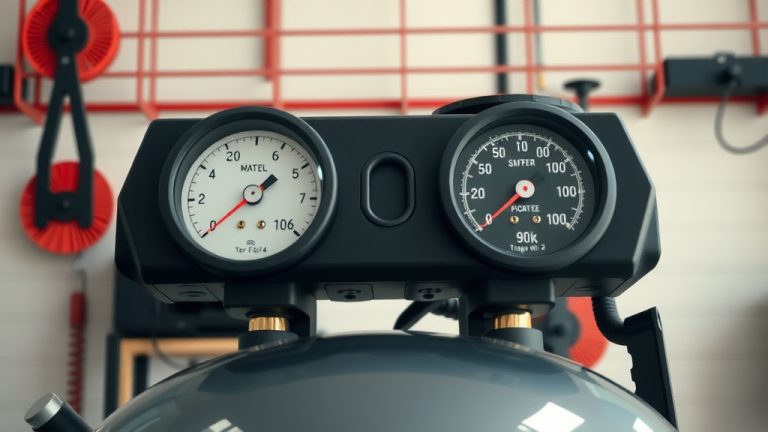
Every air compressor has a pressure relief valve, also known as a safety valve. This tiny, yet powerful device is your ultimate safeguard.
If the pressure inside the tank climbs too high, this valve automatically opens. It releases the excess air, preventing a dangerous over-pressurization. Testing this valve regularly is a simple, must-do task.
Rust: The Silent Killer of Tanks
One of the biggest threats to an air compressor tank is internal rust. Water vapor is a natural byproduct of air compression.
This water collects at the bottom of the tank. If not drained regularly, it can cause the metal to corrode. A rusted tank becomes thinner and weaker over time (OSHA guidelines often highlight this).
The Danger of a Weak Tank Wall
A severely rusted tank might not withstand its normal operating pressure. Over time, the weak spots can give way, leading to a rupture.
This is why draining your tank daily or after each use is so important. It removes the moisture that causes rust. Simple actions prevent big problems.
Beyond the Tank: Other Dangers to Watch For
While tank integrity is key, other factors can also contribute to rare incidents. These include faulty pressure switches and modified components.
Sometimes, someone might try to bypass a safety feature. This is an extremely risky modification and should never be attempted. Always follow the manufacturer’s design.
| Risk Factor | Description | Prevention |
|---|---|---|
| Tank Rust | Internal corrosion from collected water | Drain tank daily; regular inspections |
| Faulty Pressure Switch | Unit fails to shut off at max pressure | Test auto shut-off; professional checks |
| Blocked Safety Valve | Valve cannot release excess pressure | Test relief valve weekly; keep clean |
| Over-Pressurization | Exceeding tank’s rated PSI capacity | Never modify settings; use correct tools |
Simple Steps to Prevent a Disaster
Preventing an air compressor explosion is straightforward. It all comes down to following a few basic maintenance routines. These steps protect your investment and, more importantly, your safety.
You wouldn’t drive a car without checking its oil, right? Your air compressor deserves similar attention. Safety starts with you.
- Drain the Tank: Always drain condensate after each use. This removes moisture.
- Test the Safety Valve: Pull the ring on the pressure relief valve weekly. Ensure it ‘pops’ and reseats.
- Inspect for Rust: Periodically check the tank exterior for any signs of rust or dents.
- Check Hoses and Fittings: Look for cracks, leaks, or loose connections.
- Listen for Odd Noises: Unusual sounds can signal a problem developing.
- Clean Air Filter: A dirty filter makes the compressor work harder, building up heat.
Why Professional Inspections Matter
Even with your diligence, some things are best left to experts. Many experts say that an annual professional inspection is a small price to pay for peace of mind.
A trained technician can spot internal corrosion or component wear you might miss. They have the tools to test pressure systems thoroughly.
Understanding Pressure Ratings
Every air compressor tank has a maximum working pressure (MWP) rating. This number indicates the highest safe pressure it can handle.
Never operate your compressor above this rating. Trying to squeeze more power out of it is incredibly dangerous. Respect the limits set by the manufacturer.
Don’t Compromise on Safety
It’s tempting sometimes to push equipment to its limits. With air compressors, though, this can have severe consequences.
Using the correct tools for the job and respecting pressure ratings saves lives. Your safety is always worth prioritizing. No job is worth the risk.
Conclusion
While the thought of an air compressor exploding is unsettling, the reality is that such events are extremely rare. They almost exclusively happen when safety protocols are ignored for extended periods.
By simply committing to routine maintenance—draining the tank, testing the safety valve, and regular inspections—you can ensure your air compressor remains a safe and productive tool for many years to come. Your proactive approach makes all the difference.
FAQs About Air Compressor Safety
How do I test my air compressor’s safety valve?
To test the safety valve, ensure the compressor is pressurized, then pull the ring on the valve for a few seconds. You should hear a distinct hiss of air escaping, then the valve should snap shut. If it doesn’t open or close properly, it needs immediate replacement.
What are the early warning signs of a dangerous air compressor?
Early warning signs include excessive rust on the tank’s exterior, persistent air leaks, the compressor running continuously without shutting off (faulty pressure switch), or the safety valve not releasing pressure when tested. Any unusual rattling or vibrating should also prompt inspection.
Can cold weather affect air compressor safety?
Yes, cold weather can affect an air compressor. Moisture inside the tank can freeze, potentially blocking lines or safety valves. Always drain the tank fully after use, especially in cold environments, and store the compressor in a heated area if possible.
Is it safe to repair a rusty air compressor tank?
Many experts say that welding or attempting to patch a rusty air compressor tank is incredibly dangerous and should never be done. A corroded tank’s structural integrity is compromised, and any repair attempt can make it more prone to rupture. If a tank shows significant rust, it should be replaced.
How often should an air compressor be professionally serviced?
Most manufacturers and safety guidelines suggest professional servicing for your air compressor at least once a year. This ensures all components, especially pressure-related ones, are functioning correctly and helps catch potential issues before they become dangerous.