
What Are The 2 Gauges On An Air Compressor?
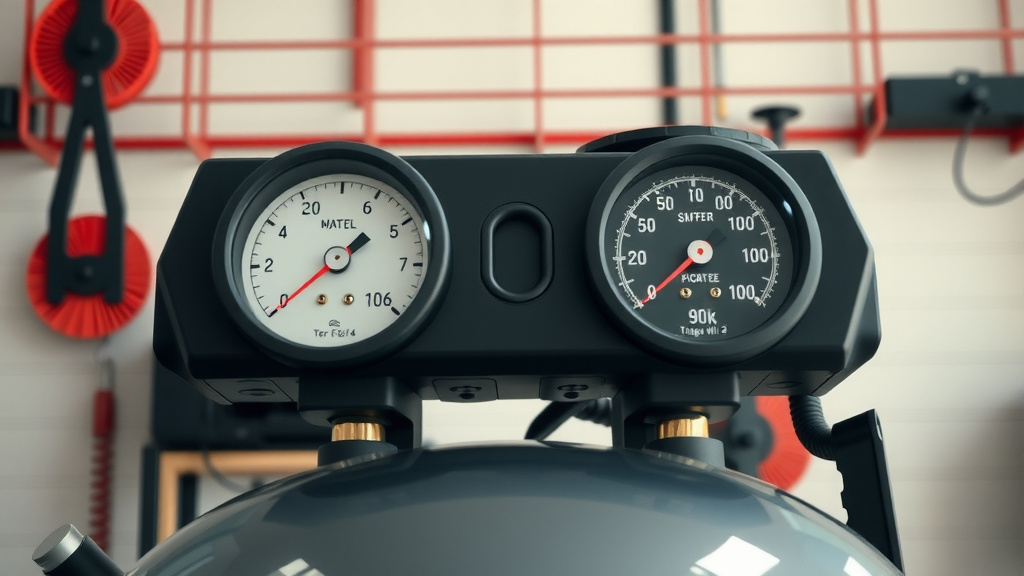
The two gauges on an air compressor typically measure your tank pressure and your regulated output pressure. These vital tools help you control how much air is stored and how much is delivered to your tools.
Understanding these gauges is key to safe operation and getting the most out of your air compressor. You can prevent damage to your tools and ensure your projects run smoothly.
Here’s a quick overview of what you’ll learn about air compressor gauges:
- The primary function of each gauge.
- Why monitoring both is essential for safety.
- How to read and adjust your compressor’s pressure.
- Troubleshooting common gauge issues.
- Tips for making your compressor last longer.
What Are The 2 Gauges On An Air Compressor?
Air compressors usually feature two main gauges to show you the pressure inside the tank and the pressure being sent out. These tell you exactly what’s happening with your compressed air.
The Tank Pressure Gauge: Your Compressor’s Lifeline
Imagine your air compressor’s tank as a big balloon filling up. The tank pressure gauge shows you how much air is stored inside that tank. This is raw, unregula ted pressure.
Many experts say this gauge is crucial for safety. It tells you the total pressure the tank holds. You often see it climb as the compressor runs, then drop as you use air.
We found that keeping an eye on this gauge helps you know when your compressor needs to cycle on again. It also warns you if the pressure is getting too high, which is a rare but important safety check.
The Regulated Pressure Gauge: Your Tool’s Best Friend
Now, think about giving just the right amount of air to your power tools. The regulated pressure gauge displays the air pressure being delivered to your hose and tools. This is the pressure you can control.
This gauge works hand-in-hand with a regulator knob. You turn the knob to set the desired working pressure. For instance, if your nail gun needs 90 PSI, you adjust the regulator until this gauge reads 90 PSI.
Research often connects proper tool pressure with better results and longer tool life (Tool Manufacturers Association). Using too much pressure can damage your tools. Too little pressure means your tools won’t perform their best.
Why Are Both Gauges Necessary? A Simple Analogy
Think of it like a water tank in your house. The tank pressure gauge is like knowing how much water is in the tank. The regulated pressure gauge is like the faucet, letting you control how much water flows out.
You need to know both. You want enough water in the tank, but you also want to control the flow so you don’t burst a pipe or just get a trickle. Air compressors work the same way for your projects.
The Role of the Regulator Knob
Right next to your regulated pressure gauge, you’ll find a knob. This is your regulator. Turning it clockwise generally increases the output pressure, while counter-clockwise decreases it.
Always adjust your regulator when no air is flowing, or your tool is not in use. This gives you the most accurate reading on your regulated pressure gauge. Small adjustments can make a big difference.
Reading Your Air Compressor Gauges: What Do the Numbers Mean?
Gauges typically measure pressure in Pounds per Square Inch (PSI) or sometimes in Bar. Most home and workshop compressors use PSI. Higher numbers mean more pressure.
The numbers on the gauge indicate the force per unit area. When you see 120 PSI, it means 120 pounds of force are exerted on every square inch. This is how air power is measured.
When to Pay Close Attention
You should always keep an eye on your gauges, especially when:
- Starting your compressor.
- Attaching a new air tool.
- Noticing a drop in tool performance.
- Hearing unusual noises from the compressor.
These are moments when a quick glance at your gauges can prevent problems. They are your dashboard for performance.
Troubleshooting Common Gauge Issues
Sometimes gauges can act up. What if one isn’t moving, or seems stuck? Don’t panic; there are a few simple checks you can perform.
A common issue is a completely stuck needle. This might mean the gauge itself is faulty or there’s a blockage. We found that a gentle tap can sometimes free a sticky needle, but often replacement is the best fix.
When Your Gauge Reads Zero
If your tank pressure gauge reads zero, check if the compressor is plugged in and running. If it’s running but still zero, you might have an air leak somewhere in the system. Listen for hissing sounds.
If your regulated pressure gauge reads zero even with tank pressure, your regulator might be turned completely off or faulty. Try turning the regulator knob slowly to see if the pressure starts to climb.
Maintaining Your Gauges for Accuracy
Gauges don’t need much maintenance, but keeping them clean is good. Dust or debris on the face can make them hard to read. A quick wipe is usually all it takes.
Many experts suggest checking your gauges periodically against a known accurate one, if possible. This ensures they are giving you reliable readings over time. Sometimes, gauges just wear out.
Using Your Compressor Safely: A Checklist
Your gauges are key to safe operation. Here’s a quick checklist:
- Always check the regulated pressure for your tool.
- Never exceed the maximum PSI of your tank or tool.
- Listen for air leaks if a gauge isn’t reading right.
- Ensure the compressor is on a stable, level surface.
- Drain condensation from the tank regularly.
Understanding Pressure Settings for Different Tools
Different tools require different pressure settings. For example, a paint sprayer might need lower, consistent pressure, while an impact wrench needs higher pressure. Your regulated pressure gauge helps here.
Many tool manufacturers print recommended PSI ranges directly on the tool or in its manual. We found that adhering to these ranges helps you get the best performance and longest life from your tools (ANSI standards).
| Tool Type | Typical PSI Range | Gauge to Watch |
|---|---|---|
| Nail Gun | 70-120 PSI | Regulated Pressure |
| Tire Inflator | 20-100 PSI | Regulated Pressure |
| Paint Sprayer | 20-60 PSI | Regulated Pressure |
| Impact Wrench | 90-120 PSI | Regulated Pressure |
Conclusion
Understanding the two gauges on your air compressor — the tank pressure gauge and the regulated pressure gauge — is more than just knowing numbers. It’s about safe operation, tool longevity, and successful projects.
By regularly checking these gauges, you gain control over your air power. You’ll make smarter adjustments, avoid potential hazards, and truly master your air compressor for every task.
What is the purpose of the tank pressure gauge?
The tank pressure gauge displays the total air pressure stored inside the compressor’s air tank. It shows you the raw, unregulated pressure before it’s sent to your tools.
How do I adjust the output pressure for my tools?
You adjust the output pressure using the regulator knob, usually located near the regulated pressure gauge. Turn the knob clockwise to increase pressure and counter-clockwise to decrease it, while watching the regulated pressure gauge.
Can I use an air compressor without a regulated pressure gauge?
While some very basic or older compressors might lack a regulated output gauge, it’s not recommended for most tasks. Without it, you can’t accurately control the pressure delivered to your tools, risking damage or poor performance.
What should I do if a gauge isn’t moving?
First, check for air leaks and ensure the compressor is running. If there are no leaks and the compressor is building pressure, the gauge itself might be faulty and could need replacement. Sometimes, a very gentle tap can unstick a needle.
Why is draining the air tank important for gauge accuracy?
Draining the air tank regularly removes condensed water, which can prevent rust and corrosion inside the tank. While it doesn’t directly affect gauge accuracy, it helps maintain the overall health of the compressor system, including components connected to the gauges, ensuring consistent operation.
