
How Thick Are Air Compressor Tanks?
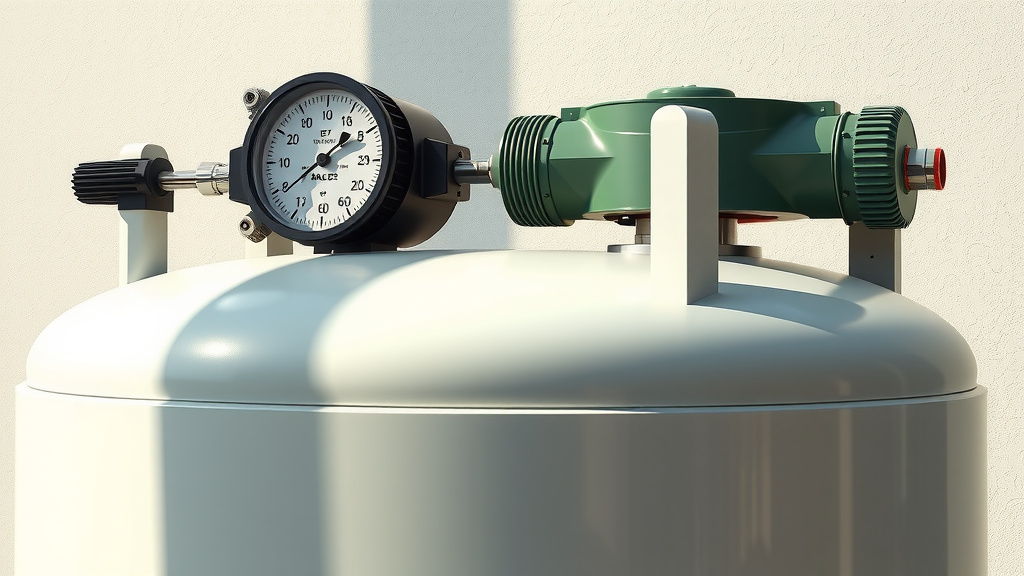
Air compressor tanks typically range in thickness from about 0.08 inches (14 gauge) for smaller, portable units to 0.25 inches (1/4 inch) or more for larger industrial tanks.
This thickness varies significantly based on the tank’s pressure rating, its overall capacity, and the specific safety standards it must meet during manufacturing.
- Your air compressor tank’s thickness depends mainly on its size and the pressure it holds.
- Safety is the primary reason for these strict thickness requirements and manufacturing standards.
- Tank material, like steel, and how it’s built, play a huge role in its structural strength.
- Regular inspections help catch wear and tear, keeping your tank safe and working well.
- Always follow the manufacturer’s guidelines for maintenance and proper use to extend tank life.
How Thick Are Air Compressor Tanks?
The thickness of an air compressor tank is not a one-size-fits-all answer. We found that it varies quite a bit depending on the tank’s job. Think of it like comparing a small car to a heavy-duty truck.
Generally, you will find thickness between 0.08 inches and 0.25 inches. Smaller tanks, often 1-5 gallons, might be on the thinner side. Larger tanks, 60 gallons and up, need to be much thicker to safely hold higher pressures.
Why Does Tank Thickness Matter So Much?
Thickness is a big deal because it directly relates to safety. Your air compressor tank holds pressurized air, which stores a lot of energy. A tank that is too thin simply cannot contain that pressure safely.
Imagine blowing up a balloon too much; it bursts. An air tank rupture is far more dangerous. The right thickness provides the necessary strength and durability to keep everyone safe. It is all about managing that stored energy responsibly.
Understanding PSI and Tank Requirements
PSI, or pounds per square inch, is how we measure air pressure. A higher PSI rating means the tank holds more force inside. Naturally, a tank designed for 175 PSI needs to be thicker than one for 90 PSI.
Manufacturers design tanks to withstand a specific maximum working pressure. They account for this by adjusting the steel gauge. Always check your compressor’s specifications for its maximum PSI. This information is usually on a label on the tank itself.
The Role of Tank Size
You might think a bigger tank always means a thicker tank, and often that’s true. A larger surface area means the pressure is spread across more material. This can demand a stronger, thicker tank wall to distribute that force properly.
A smaller, portable tank might be thick enough for its size and pressure. However, a large industrial tank storing hundreds of gallons needs significant wall thickness. It’s a balance of volume, pressure, and the physics of containing air.
Materials Used in Tank Construction
Most air compressor tanks are made from carbon steel. This material offers a good balance of strength, cost, and ability to be welded. Some specialty tanks might use aluminum, especially where weight is a concern.
The type of steel and its grade also plays a part. Stronger steel might allow for slightly thinner walls while still meeting safety standards. However, steel remains the common choice for its proven reliability and resistance to wear.
Manufacturing Standards and Regulations
You can’t just build an air tank any way you want. There are strict rules in place to keep you safe. In the United States, for example, the ASME Boiler and Pressure Vessel Code sets the benchmark for tank design and manufacturing.
These codes specify everything from material quality to welding procedures and testing. Other regulations, like those from the Department of Transportation (DOT), apply to tanks used for transport. Following these standards means your tank is designed to safely contain high pressure.
The Welding Process: A Crucial Detail
A tank is only as strong as its weakest point. For air compressor tanks, those weak points could be the welds. Manufacturers use very precise welding techniques to ensure strong, leak-free seams. Poor welds could lead to a catastrophic failure.
Research shows that proper welding is a key factor in tank integrity (ASME). Every weld must withstand the same pressure as the tank wall itself. This is why automated welding is often used in manufacturing to maintain consistent quality.
What About Rust and Corrosion?
Even the thickest tank can weaken over time due to rust. Moisture naturally forms inside the tank as air is compressed. This moisture, if not drained regularly, creates a perfect environment for internal corrosion.
External rust can also attack the tank, especially in humid environments. Rust eats away at the metal, reducing its effective thickness. This is why draining your tank and keeping it in a dry area are such crucial maintenance steps. Ignoring rust is like inviting trouble.
How Often Should You Inspect Your Tank?
Regular visual inspections are a simple yet powerful way to catch issues early. We recommend checking your tank at least once a month, or more often if you use your compressor frequently. Look for any visible signs of trouble.
For industrial settings, many guidelines suggest a more formal inspection schedule. This could involve professional internal checks. It’s about being proactive, not reactive, when it comes to pressure vessel safety.
Signs Your Air Tank Might Be Compromised
Knowing what to look for can prevent a serious problem. Here are some key signs that your air tank might be compromised:
- Visible rust, especially large patches or pitting.
- Dents or deformities on the tank surface.
- Small leaks, sometimes heard as a hiss, or seen with soapy water.
- Cracks, even hairline ones, anywhere on the tank or welds.
- Excessive moisture in the air output, beyond normal condensation.
- Paint flaking or bubbling in unusual areas.
If you notice any of these, stop using the compressor right away. Your safety is worth far more than rushing a job.
Can You Repair a Damaged Air Tank?
Generally, the answer is no. Most experts and manufacturers strongly advise against repairing a damaged air compressor tank. Welding patches onto a pressurized vessel is extremely risky and can weaken the tank further.
Many experts say that if a tank is compromised, it should be replaced (OSHA). The structural integrity is hard to guarantee after a repair. It’s a situation where it’s safer to get a new tank than to try and fix an old one.
Choosing the Right Air Compressor for Your Needs
When you are buying an air compressor, think about your tasks. Will you be running impact wrenches or just inflating tires? Your application will dictate the required PSI and CFM (cubic feet per minute).
This directly influences the size and pressure rating of the tank you need. Don’t simply buy the cheapest option. Invest in a compressor with a tank designed for your expected workload to ensure both performance and safety for many years.
Think About Your Compressor’s Lifespan
An air compressor tank isn’t meant to last forever. Its lifespan depends on several things: how well you maintain it, how often you use it, and the environment it lives in. A well-cared-for tank can last a decade or more.
However, a neglected tank in a damp garage might fail much sooner. Regular drainage and inspection extend its useful life. Think of it as an investment in your tools and your safety. Proper care simply pays off in the long run.
Conclusion
The thickness of an air compressor tank is a critical safety feature, not just a random measurement. It is directly tied to the tank’s capacity, the pressure it handles, and strict manufacturing standards. From small portable units to large industrial systems, thickness ensures the tank can safely contain the powerful forces within.
Your role in maintaining this safety is paramount. Regular drainage, visual inspections, and knowing when to replace a compromised tank are all important. By understanding these aspects, you ensure your air compressor remains a reliable and safe tool for all your projects.
How do manufacturers determine air tank thickness?
Manufacturers determine tank thickness by calculating the required strength to safely contain the maximum working pressure, considering the tank’s diameter, material yield strength, and specific safety factors mandated by industry standards like ASME.
Can I increase my air compressor tank’s pressure rating?
No, you should never try to increase your air compressor tank’s pressure rating beyond what the manufacturer specifies. This would severely compromise safety, as the tank’s original design and thickness are only rated for a specific maximum pressure.
What is the typical lifespan of an air compressor tank?
The typical lifespan of a well-maintained air compressor tank can range from 10 to 20 years. However, this varies significantly based on usage frequency, environmental conditions, and diligent maintenance practices like regular draining to prevent internal rust.
Are aluminum air tanks thicker than steel tanks for the same pressure?
Generally, for the same pressure rating, an aluminum tank might need to be slightly thicker than a steel tank. While aluminum is lighter, steel often offers greater tensile strength per unit of thickness, requiring less material for equivalent pressure containment.
Does the shape of an air tank affect its required thickness?
Yes, the shape of an air tank certainly affects its required thickness. Cylindrical tanks with domed or spherical ends are very efficient at distributing pressure, often requiring less thickness than tanks with flat ends, which concentrate stress at the corners.
