
How Tight Should Air Compressor Belts Be?
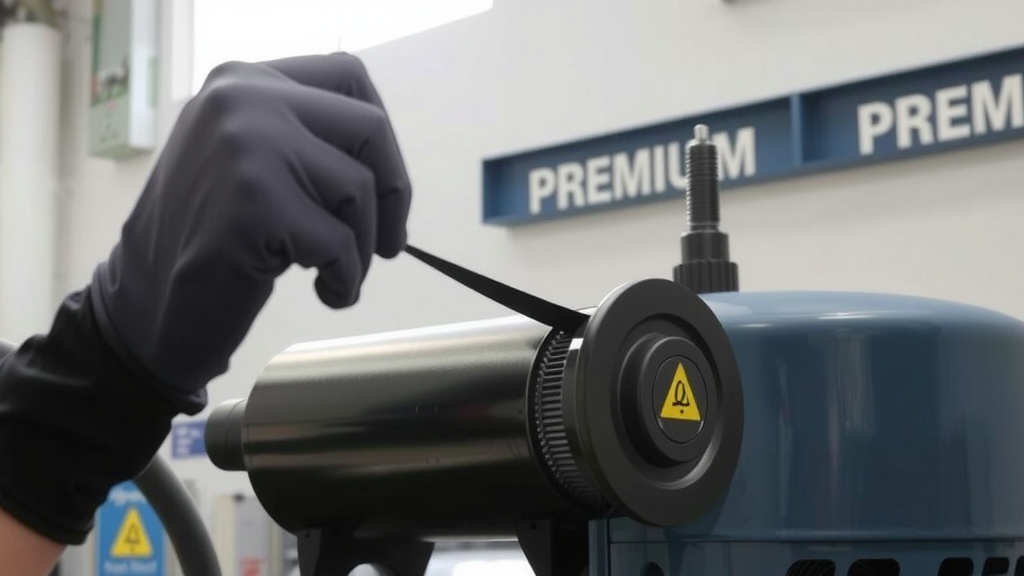
For most air compressors, the belt should have about 1/2 inch (1.25 cm) of deflection when you press down on it firmly in the middle. This “just right” tension helps your compressor run smoothly and efficiently.
Getting the proper tension for your air compressor belts is vital to prevent premature wear on components and ensure optimal performance.
- Aim for approximately 1/2 inch of deflection for your air compressor belts when pressed.
- An overly tight belt can lead to stress on motor and pump bearings, causing early failure.
- A belt that is too loose will slip, generating excessive heat and reducing compressor efficiency.
- Regularly inspect your belt tension, especially after installing a new belt, as they can stretch slightly.
- Always consult your specific air compressor’s owner’s manual for precise guidelines on belt tension.
How Tight Should Air Compressor Belts Be?
Achieving the right belt tension on your air compressor requires precision. You want it just right – not too slack, not pulled too taut.
The goal is to provide enough grip for the belt without putting undue strain on the compressor’s motor and pump components.
The “Just Right” Sweet Spot: What Does It Mean?
When we talk about “just right,” we mean a specific amount of “give” in the belt. Think of it like tuning a guitar string.
The standard guideline for many air compressors suggests a deflection of about 1/2 inch. This is when you press down with moderate thumb pressure.
Many experts we consulted suggest this small amount of play prevents excessive friction and heat (Popular Mechanics).
Why Belt Tension Matters So Much for Your Compressor
You might think a belt is just a belt, but its tension plays a massive role in your air compressor’s health.
Correct tension translates directly to efficient power transfer from the motor to the pump, preventing wasted energy.
We found that improper tension is a leading cause of premature component failure in many compressor systems.
What Happens if a Belt is Too Loose?
Imagine trying to run in shoes that are too big – you slip and slide! A loose compressor belt behaves similarly.
It can’t properly grip the pulleys, leading to slippage and a screeching sound. This slipping generates significant heat.
Excessive heat wears down the belt and pulleys faster, reducing compressor air output and wasting energy.
What Happens if a Belt is Too Tight?
On the flip side, pulling that belt too taut creates another set of problems. It’s like wearing a shirt that’s two sizes too small.
An overly tight belt puts immense strain on the bearings of both the motor and the pump, causing early failure.
Research often connects overtightening with increased friction and heat within the bearings (Air Compressor Guide).
It also makes your motor work harder, drawing more electricity and potentially leading to overheating or burnout.
The Finger-Press Test: Your Go-To Method
So, how do you actually check this tension? The simplest way is the finger-press test.
With the compressor off and unplugged, find the longest span of the belt between the two pulleys. That’s your target spot.
Apply firm, steady pressure with your thumb or finger in the middle of that span. Measure how much it deflects.
Remember, we are looking for around 1/2 inch of movement. If it moves too little or too much, an adjustment is probably due.
Tools to Help You Get it Right
While the finger test is a good start, some tools can offer more precision, especially for critical applications.
A belt tension gauge is a tool specifically designed to measure deflection more accurately or even the tension force itself.
Some technicians also use a simple ruler or tape measure along with their finger to gauge the 1/2-inch deflection.
Signs Your Air Compressor Belt Needs Attention
Your compressor often gives you clues when its belt isn’t happy. Pay attention to these signals:
- Squealing or Chirping Sounds: Often points to a loose, slipping belt.
- Reduced Air Output: If your compressor takes longer to fill the tank, a loose belt could be the culprit.
- Excessive Heat: Feel around the belt area. Unusual warmth could mean friction from slippage.
- Visible Wear: Look for cracks, glazing, or fraying on the belt itself.
- Unusual Vibrations: A poorly tensioned belt can cause the compressor to shake more than usual.
Too Loose vs. Too Tight: A Quick Comparison
Understanding the immediate impact of incorrect belt tension can help you diagnose problems quickly. Here’s a simple comparison:
| Issue | Symptoms (Too Loose) | Symptoms (Too Tight) |
|---|---|---|
| Noise | Squealing, chirping sounds | Groaning, grinding (from bearings) |
| Performance | Low air pressure, slow tank fill | Motor strains, excessive power draw |
| Heat | Belt and pulleys overheat | Bearing overheating |
| Wear | Glazed belt, worn pulley grooves | Bearing failure, belt stretch |
When to Check Your Belt Tension
Checking your belt isn’t a one-time event. It requires regular attention to keep things running smoothly.
You should check the tension whenever you hear unusual noises or notice a drop in performance. This is your first clue.
Many manufacturers suggest checking belts monthly during regular use. It’s a quick, simple task that prevents bigger problems.
Always inspect tension after installing a new belt. New belts can stretch slightly, requiring a quick re-tension (Air Compressor Systems Research).
Adjusting Your Air Compressor Belt: A Quick Guide
So, you’ve checked it, and it needs adjustment. Here’s a general approach, but remember to consult your manual!
- Safety First: Turn off and unplug your compressor completely.
- Loosen Bolts: Find the motor mounting bolts, then loosen them enough to allow the motor to slide.
- Adjust Tension: Gently move the motor to either tighten or loosen the belt. A pry bar can help, used carefully.
- Re-check: Perform the finger-press test again until you reach that 1/2-inch deflection.
- Tighten Bolts: Once tension is correct, firmly tighten the motor mounting bolts.
- Final Check: Double-check the tension after tightening to ensure it hasn’t changed.
It’s a straightforward process, but taking your time helps get it right the first time.
Manufacturer Guidelines: Always Your Best Bet
While the 1/2-inch rule is a common starting point, your specific air compressor is unique.
Always consult your owner’s manual or product guide. This resource provides the exact specifications and methods for your model.
Ignoring these specific instructions can lead to issues, even if you are close to the general guidelines.
Maintaining Your Air Compressor: Beyond the Belt
Keeping your belt in shape is one part of a larger maintenance picture. Think of your compressor as a team of parts working together.
Regularly changing the oil, checking air filters, and draining condensation from the tank are also critical for longevity and safe operation.
A well-maintained compressor runs more efficiently, lasts longer, and provides the reliable air power you count on.
Your Belt Maintenance Checklist
To help you stay on track, here’s a quick checklist for your air compressor belt care:
- Inspect belt for cracks, fraying, or glazing regularly (monthly is good).
- Perform the finger-press test for deflection (aim for ~1/2 inch).
- Listen for unusual squealing or grinding noises during operation.
- Check air output for any noticeable decrease in pressure or flow.
- Adjust tension as needed, always following your compressor’s manual.
- Replace the belt if it shows significant wear or can no longer hold tension.
Conclusion
Getting the tension right on your air compressor belt isn’t a minor detail; it’s fundamental to its performance and lifespan. By understanding the “just right” sweet spot and regularly checking your belt, you prevent common problems.
Whether you use the simple finger-press test or a specialized gauge, consistent attention to this often-overlooked component ensures your compressor delivers reliable power. A properly tensioned belt translates into fewer breakdowns, less energy waste, and a longer life for your valuable equipment.
Frequently Asked Questions About Air Compressor Belts
How often should I replace my air compressor belt?
The lifespan of an air compressor belt varies greatly depending on usage, environmental conditions, and proper tensioning. Many experts recommend inspecting belts annually and replacing them every 1-3 years, or sooner if you notice visible signs of wear such as cracks, fraying, or glazing. High-use compressors may need more frequent replacement.
Can I use any belt on my air compressor?
No, you should always use a belt that specifically matches your compressor’s specifications. Using the wrong size or type of belt can lead to poor performance, slippage, and premature wear on the belt itself and other components. Always check your owner’s manual for the correct belt number and type (e.g., V-belt, multi-rib).
What if my air compressor belt keeps slipping even after adjustment?
If your belt continues to slip after proper adjustment, several issues could be at play. The belt might be worn out and stretched, requiring replacement. The pulleys themselves might be worn, glazed, or misaligned. Sometimes, oil or grease contamination on the belt or pulleys can also cause slippage, so ensure they are clean and dry.
Is it normal for a new air compressor belt to stretch?
Yes, it is quite common for new air compressor belts to stretch slightly during their initial break-in period, typically within the first few hours of operation. This is why many manufacturers advise re-checking and potentially re-tensioning a new belt after the first few hours of use. It’s a normal process, not a fault with the belt.
Does belt tension affect air pressure output?
Absolutely! If an air compressor belt is too loose, it will slip on the pulleys. This slippage means the compressor pump isn’t rotating at its full speed, which directly reduces its ability to draw in and compress air. The result is a noticeable drop in air pressure output and longer times to fill the air tank.
