
What Air Compressor Is Good For Painting Cars?
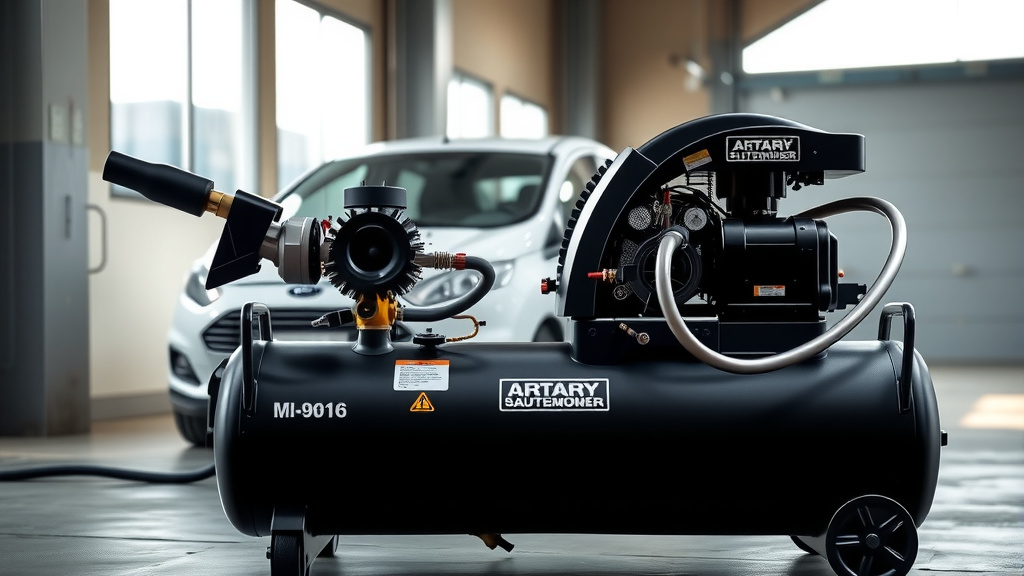
For painting cars, you generally need an air compressor that can deliver at least 15-20 CFM at 90 PSI to support most HVLP spray guns. This ensures a consistent air supply for a smooth, professional finish without downtime.
The best air compressor for painting cars combines sufficient CFM output with a large tank size, typically 60-80 gallons, for uninterrupted work.
Here’s a quick overview of what to look for when choosing an air compressor for car painting:
- Aim for at least 15-20 CFM at 90 PSI.
- A tank size of 60 gallons or more is highly recommended.
- Choose an oil-lubricated compressor for better longevity and quieter operation.
- Match your compressor’s output to your spray gun’s air demands carefully.
- Look for features like a regulator and moisture trap for optimal paint results.
What Air Compressor Is Good For Painting Cars?
Selecting the right air compressor for painting cars truly makes a difference in your final paint job. You need a machine that can keep up with the demands of your spray gun, delivering consistent airflow without sputtering.
Many experts say that matching your compressor’s output to your specific spray gun’s requirements is the most critical step.
Why the Right Compressor Matters for Your Paint Job
Imagine trying to paint a car with a brush that keeps running out of paint. That’s similar to using an underpowered air compressor. Your spray gun needs a steady, strong stream of air to atomize paint effectively and lay down an even coat.
Without adequate air, you will see inconsistent coverage, blotchy spots, and a less than stellar finish. It is truly about having enough muscle for the task.
Understanding CFM (Cubic Feet Per Minute)
CFM is the most important number you will look for. It tells you how much air your compressor can produce per minute at a certain pressure. Your spray gun has a specific CFM requirement, usually found in its manual.
Always choose a compressor with a CFM rating that is higher than your spray gun’s requirement. We recommend adding a 20-30% buffer. This buffer helps the compressor run efficiently without constantly struggling to catch up (research suggests this helps prevent premature wear and tear).
Decoding PSI (Pounds Per Square Inch)
PSI, or pounds per square inch, measures the air pressure your compressor can generate. While CFM is about volume, PSI is about force. Most paint jobs require around 40-90 PSI at the spray gun, depending on the type and application.
Your compressor will need to produce a higher maximum PSI, usually 120-175 PSI, to supply enough regulated pressure to the gun. A good regulator on your compressor is key here to achieve the correct working pressure.
The Heart of the Beast: Tank Size and Its Role
The tank size of your air compressor is like a reserve fuel tank. It stores compressed air, allowing your compressor to run less frequently. For painting, a larger tank is almost always better.
A smaller tank means the compressor motor kicks on more often, potentially causing pressure fluctuations. This can lead to uneven spray patterns, which is the last thing you want on a glossy car finish.
Why Larger Tanks Are Better
We found that for car painting, a 60-gallon or 80-gallon tank is ideal. It provides a more consistent air supply, reducing the compressor’s duty cycle. This means the motor works less, stays cooler, and likely lasts longer.
Think of it like a marathon runner. A larger tank helps the compressor pace itself, preventing it from sprinting then resting constantly. This steady pace provides better results for you.
Horsepower: More Than Just Bragging Rights
Horsepower (HP) generally indicates how powerful the motor is. A higher HP often translates to faster air recovery – meaning the compressor can refill its tank quicker after use. While not as critical as CFM, it does play a role in sustaining airflow.
For car painting, you will typically want a compressor with at least 3-5 HP. This helps ensure that the compressor recovers quickly enough to keep your painting smooth and continuous, especially during larger jobs (many automotive paint shops rely on these specs).
Oil-Lubricated vs. Oil-Free Air Compressors
This choice often comes down to performance versus maintenance. Each type has its place, but for painting, one stands out.
The Oil-Lubricated Advantage
Oil-lubricated compressors are generally preferred for car painting. They run cooler, quieter, and offer better durability for continuous use. The oil inside helps to seal and cool the pump, leading to a longer lifespan.
They also tend to produce slightly drier air, which is a big plus for painting. However, they do require regular oil changes, much like a car engine.
When Oil-Free Might Work
Oil-free compressors are more portable and require less maintenance. They are lighter and produce cleaner air from the pump itself. However, they tend to be much noisier and have a shorter lifespan when used for demanding tasks like car painting.
If you are doing a very small touch-up job, an oil-free model might suffice. But for a full car, the consensus is to stick with oil-lubricated (many professional painters suggest this for longevity and performance).
Your Spray Gun’s Needs: A Crucial Match
Your spray gun is the star of the show. It’s what applies the paint. Its air requirements directly dictate your compressor choice. Always check the manual for its specific CFM and PSI needs. Never guess!
Using a compressor that is too small for your gun will lead to frustration and poor results. Think of it like trying to fill a swimming pool with a garden hose – it will take forever and you will not get the flow you need.
HVLP vs. Conventional Spray Guns
High Volume Low Pressure (HVLP) spray guns are popular for automotive painting due to their efficiency and reduced overspray. They require a high CFM at lower PSI (around 10-15 CFM at 25-30 PSI at the cap).
Conventional spray guns use higher pressure and less volume. Many guidelines point to HVLP as a good choice for beginners and pros alike (EPA guidelines often promote HVLP for material transfer efficiency). Always verify your specific gun’s needs.
Essential Compressor Features for Car Painting
Beyond CFM and tank size, a few features will make your painting experience much smoother. Look for these additions when you are shopping:
- Air Pressure Regulator: Crucial for adjusting the outgoing air pressure to exactly what your spray gun needs.
- Moisture Trap/Filter: Paint and water do not mix! A good filter will remove moisture and oil particles from the air, preventing fisheyes and other paint defects.
- Drain Valve: Essential for regularly draining condensed water from the tank to prevent rust and improve air quality.
- Portability: While larger compressors are heavy, wheels make them much easier to move around your garage or workshop.
- Noise Level: Some compressors can be very loud. Consider a quieter model if you will be working in a residential area or for long periods (OSHA recommends hearing protection for extended exposure to loud noise).
Ideal Air Compressor Specs for Car Painting
To help simplify your decision, here is a general guide to the specifications we found are most effective for car painting:
| Specification | Recommendation for Car Painting |
|---|---|
| CFM @ 90 PSI | 15-20 CFM minimum (add 20-30% buffer) |
| Tank Size | 60-80 Gallons (or more) |
| Horsepower (HP) | 3-5 HP (minimum) |
| Max PSI | 150-175 PSI |
| Type | Oil-Lubricated (Single or Two-Stage) |
Budgeting for Your Painting Compressor
A good air compressor for car painting is an investment. Expect to pay anywhere from $800 to $2,500 or more, depending on brand, features, and size. Do not skimp on this essential tool if you want a quality finish.
Consider it part of your overall painting budget. A cheaper, underpowered compressor might save money upfront but will cost you more in frustration, wasted paint, and a poor finish.
Maintenance Tips for Longevity
Taking care of your compressor ensures it serves you well for many years. It is not just about buying the right one; it is also about treating it right.
Regular Drainage is Key
Always drain the moisture from your tank after each use. Condensation builds up, and water in the tank can lead to rust and reduced air quality. Just open the drain valve at the bottom and let the water out.
Checking Filters and Oil
If you have an oil-lubricated compressor, check the oil level regularly and change it according to the manufacturer’s recommendations. Clean or replace air filters as needed to ensure clean air intake.
Conclusion
Choosing the right air compressor for painting cars is a foundational step toward achieving a professional-looking finish. Focus on high CFM output, a generous tank size, and an oil-lubricated pump for reliability and performance.
Remember to always match the compressor’s capabilities to your spray gun’s specific needs. With careful selection and proper maintenance, your air compressor will be a dependable partner in creating stunning automotive paint jobs.
What is the minimum CFM for painting a car?
The minimum CFM (Cubic Feet Per Minute) for painting a car is generally around 15 CFM at 90 PSI. However, it is always recommended to have a compressor that provides 20-30% more CFM than your spray gun requires to ensure consistent airflow and prevent the compressor from cycling too often.
Is a 30-gallon air compressor big enough for painting cars?
A 30-gallon air compressor might struggle with a full car paint job, especially if your spray gun has higher CFM demands. While it could work for smaller panels or touch-ups, its tank recovery might not keep up with continuous spraying, leading to pressure drops and an inconsistent finish. A 60-80 gallon tank is usually a better choice for cars.
Do I need an oil-free or oil-lubricated compressor for painting?
For car painting, an oil-lubricated air compressor is generally preferred. They are known for being quieter, more durable, and running cooler, which is important for sustained use. While oil-free compressors are low maintenance, they tend to be noisier and have a shorter lifespan for demanding tasks like automotive painting.
How much horsepower do I need for a car painting air compressor?
For car painting, aim for an air compressor with at least 3-5 horsepower (HP). Higher HP typically means faster air recovery, allowing the compressor to refill its tank quickly and maintain a consistent air supply for your spray gun, which is crucial for a smooth painting process.
What features are essential on an air compressor for car painting?
Essential features for an air compressor used in car painting include a reliable air pressure regulator to control output, a moisture trap or filter to prevent water and oil from reaching your paint, and a drain valve to remove condensation from the tank. Wheels are also very helpful for moving larger units.
