
How To Tell If Air Compressor Is Bad In Car?
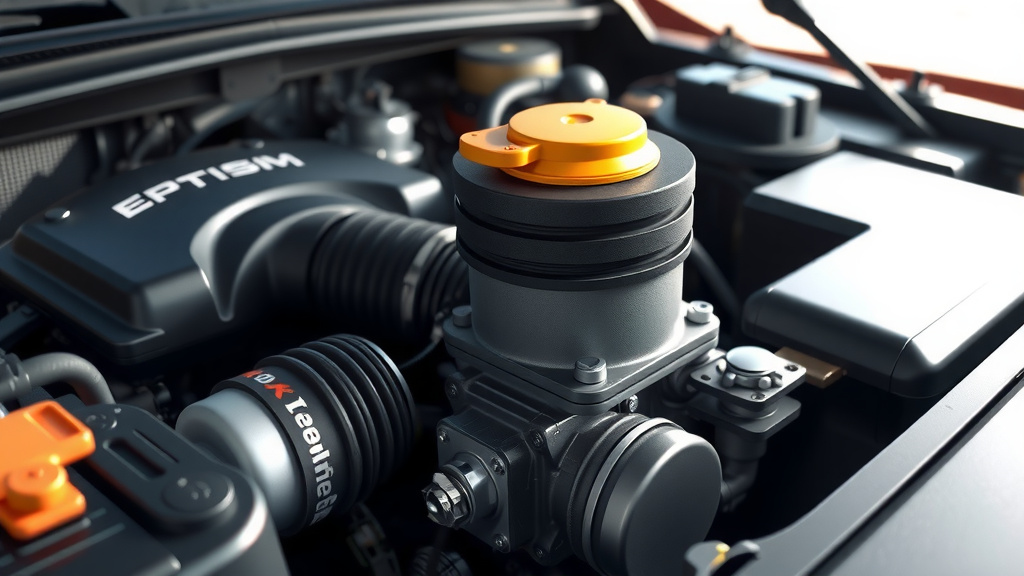
You can tell if an air compressor is bad in your car by noticing a lack of cold air from your AC vents, strange noises when the AC is on, or visible leaks near the compressor itself.
Often, a failing air compressor will also cause a burning smell or a decrease in engine power when your air conditioning system is engaged.
- A bad car air compressor usually means your AC blows warm air.
- You might hear loud clunking or grinding sounds from under the hood.
- Visible refrigerant leaks or a burning smell are big red flags.
- Reduced engine performance when the AC is running can point to a failing compressor.
- Ignoring these signs can lead to more expensive repairs down the line.
How To Tell If Air Compressor Is Bad In Car?
Determining if your car’s air compressor is failing often comes down to listening, looking, and feeling. When your AC isn’t working right, the compressor is a likely culprit. Many experts suggest a systematic approach to identifying the issue (Automotive Service Association).
The Warm Air Warning Sign
Is your car’s air conditioning blowing only warm or mildly cool air? This is probably the most common sign. The compressor is responsible for pressurizing the refrigerant. If it cannot do its job, the refrigerant won’t cool properly. It’s like trying to make ice cream without a freezer. You get liquid, not a chilly treat!
Strange Noises Under the Hood
When you turn on your AC, do you hear unusual sounds? A healthy compressor operates smoothly. If you hear grinding, squealing, clunking, or rattling, it’s a major red flag. These sounds often suggest internal damage or a failing clutch within the compressor unit. We found that these noises tend to worsen over time.
What Do Different Noises Mean?
A high-pitched squeal often points to a worn belt or pulley. A loud clunk or thud might mean a failing compressor clutch. Many sources suggest that a continuous grinding sound indicates serious internal component failure.
Visible Leaks: A Refrigerant Tell-All
Take a peek under your hood. Do you see any greenish or oily residue near the compressor? This could be a refrigerant leak. Refrigerant often contains a dye to help spot leaks. Without enough refrigerant, the compressor can’t function effectively. It’s like trying to pump water with a leaky hose.
Here’s a simple checklist to spot potential issues:
- Warm air from AC vents?
- Unusual noises (grinding, clunking) when AC is on?
- Visible fluid leaks near the compressor?
- Burning smell when AC is running?
- Engine struggles or loses power with AC on?
The Burning Smell Mystery
Have you ever noticed a burning smell when your AC is running? This can indicate an overworked or failing compressor. Sometimes, it means the compressor’s clutch is slipping. A burning smell always needs quick attention. It’s a bit like smelling smoke from an engine; it tells you something is overheating.
Compressor Clutch Failure: The Silent Killer
The clutch engages and disengages the compressor. If it fails, the compressor won’t spin, even if the rest of it is fine. You might notice the AC light comes on, but nothing happens. Sometimes, the clutch makes a loud clicking sound when trying to engage. If you hear a click but no AC, the clutch could be worn out.
Engine Performance Drop
Does your car feel sluggish when the AC is on? A failing compressor can put extra strain on your engine. This is especially true if the compressor is struggling to turn. Many drivers report a noticeable drop in acceleration or fuel economy when their AC compressor is on its way out. It’s like trying to run with heavy weights on your ankles.
Why Does This Happen?
A bad compressor might be seizing up. When the engine tries to turn it, it demands more power. This extra drag translates to less power for your wheels. We found that this issue is more common in older or smaller engines.
Diagnostic Tools Can Confirm Your Suspicions
While these signs are helpful, a professional diagnosis is often best. Technicians use special gauges to measure refrigerant pressure. They can also use electronic sniffers to find very small leaks. Sometimes, a simple diagnostic scan can reveal error codes related to the AC system. You wouldn’t guess what’s wrong with your computer without checking its diagnostics, right?
DIY Inspection Tips for Your Car’s AC
Before rushing to a mechanic, you can do some basic checks. Start your car and turn on the AC. Pop the hood and locate the compressor. It’s usually a metal cylinder connected to belts and hoses. Watch the center part of the pulley. Does it spin when the AC is on? If not, the clutch might not be engaging.
Here’s a quick comparison of common AC problems and what they might suggest:
| Symptom | Possible Issue | Compressor Status |
|---|---|---|
| No cold air, no noise | Low refrigerant, electrical issue | Could be okay, or not engaging |
| Warm air, grinding noise | Compressor internal damage | Likely bad |
| Warm air, burning smell | Compressor clutch slipping | Likely bad |
| Cold air initially, then warm | Overheating, intermittent fault | Could be intermittently failing |
Conclusion
Spotting a bad air compressor in your car doesn’t require advanced skills. By paying attention to symptoms like warm air, strange noises, leaks, or a burning smell, you can often pinpoint the problem. Remember, addressing these issues early can save you from bigger headaches and repair bills. If in doubt, a quick check by a trusted mechanic can give you peace of mind. Keeping your cool on the road truly starts with a healthy AC system.
Can a bad AC compressor drain my car battery?
Yes, a failing AC compressor can sometimes drain your car battery. If the compressor’s clutch is seizing or struggling to engage, it can draw excessive electrical current. This added strain can certainly lead to a weakened or drained battery, especially during prolonged use.
Is it safe to drive with a bad AC compressor?
Generally, you can drive with a bad AC compressor, but it’s not ideal. If the compressor is seized, it could damage the serpentine belt, leading to bigger issues. If it’s just not cooling, you’ll simply be uncomfortable. However, if you hear loud noises or smell burning, it’s safer to have it checked immediately to avoid further damage to your engine components.
How much does it cost to replace a car AC compressor?
The cost to replace a car AC compressor varies widely based on your car’s make and model, as well as labor rates. Many sources indicate that parts alone can range from $200 to $600, with total repair costs often falling between $500 and $1000 or more. It’s an investment, but a necessary one for comfort.
Can I replace just the AC compressor clutch?
In many cases, yes, you can replace just the AC compressor clutch if that’s the only faulty component. This can be a more affordable repair than replacing the entire compressor. However, a technician will need to confirm that the compressor itself is in good working order before recommending a clutch-only replacement.
How long does a car AC compressor typically last?
A car AC compressor typically lasts a long time, often for the entire lifespan of the vehicle, which can be 10-15 years or 100,000 to 150,000 miles. However, this depends heavily on usage, maintenance, and driving conditions. Regular AC system checks can help extend its life and catch problems early.
