
What Are The Uses Of Air Compressor?
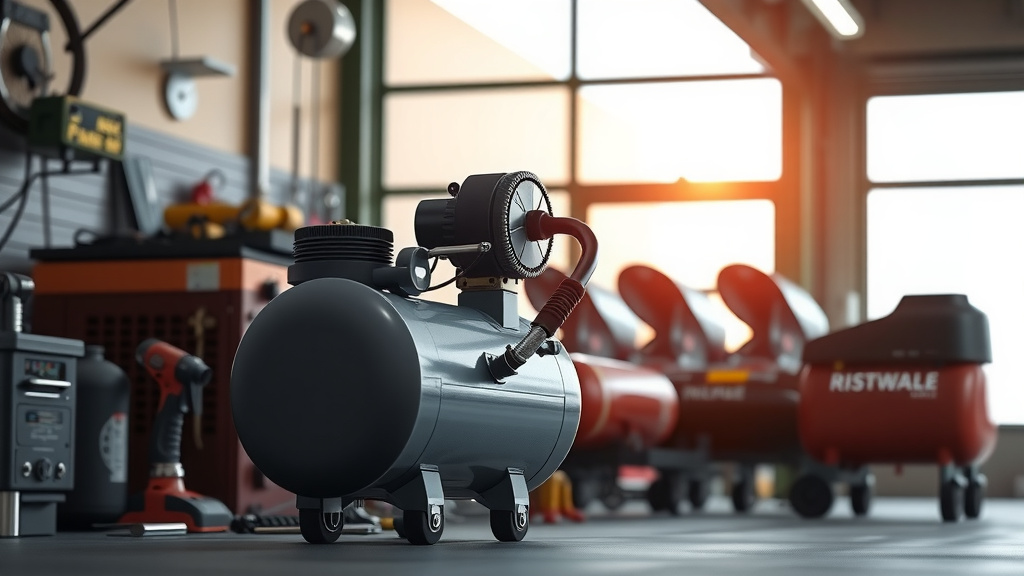
Air compressors transform electrical power into kinetic energy by pressurizing air, making them incredibly versatile tools for a wide array of tasks.
The uses of an air compressor span from inflating tires and powering pneumatic tools to large-scale industrial operations and even breathing air supply.
- Air compressors are essential for inflating, cleaning, and painting tasks around your home.
- They power a vast range of pneumatic tools in workshops and construction sites, boosting efficiency.
- Industries like manufacturing, automotive, and food rely heavily on compressed air for production and automation.
- From dentistry to scuba diving, compressed air is vital for specialized applications requiring clean, breathable air.
- Understanding air compressor uses helps you choose the right model for your specific projects and needs.
What Are The Uses Of Air Compressor?
Air compressors are widely used devices that take ambient air and compress it into a smaller volume, storing energy for various applications. They serve countless purposes across homes, workshops, and major industries, making them indispensable tools for many.
Your Home Projects Just Got Easier
Have you ever struggled with a flat tire or a dusty workshop? An air compressor can be your best friend for a myriad of home tasks. We found that even small, portable models offer surprising power for everyday chores.
Inflating Everything
One of the most common uses is simply filling things with air. Think about your car tires, bike tires, or even inflatable pools. A compressor makes quick work of these tasks, saving you time and effort.
You can also inflate sports equipment like basketballs or footballs. It’s much faster than a hand pump, isn’t it?
Keeping Things Clean
Compressed air is fantastic for cleaning. You can use an air nozzle to blow dust and debris from your workbench. Many experts say this method is especially effective for getting into tight spaces.
It’s also great for cleaning lawnmower engines or even computer keyboards without harsh chemicals. Just be mindful of delicate electronics.
Painting and Finishing
Dreaming of a smooth, professional paint finish? Air compressors enable you to use spray guns for painting furniture, fences, or even your car. This provides a much more even coat than brushes or rollers.
We found that many DIY enthusiasts appreciate the speed and quality an air compressor brings to their painting projects.
Powering Your Workshop and Auto Repairs
For the serious DIYer or mechanic, an air compressor opens up a world of possibilities. It powers a vast array of pneumatic tools, which are often lighter and more powerful than their electric counterparts.
Automotive Maintenance
If you work on cars, you know the value of an air compressor. You can use impact wrenches to quickly remove lug nuts from tires. This saves your arms and knuckles a lot of strain.
Air ratchets, grinders, and sanders also make detailed automotive work much more efficient. Many garages consider a good air compressor the heart of their operation.
Woodworking and Metalworking
In your workshop, an air compressor can drive nail guns and staplers, speeding up construction and carpentry projects. Imagine framing a wall in a fraction of the time.
For metalworking, you might use die grinders or even plasma cutters with compressed air. It makes quick work of shaping and cutting materials.
Beyond the Home: Industrial Air Compressor Uses
On a larger scale, air compressors are the unsung heroes of many industries. They power complex machinery and critical processes that we often take for granted. Many industries rely heavily on the consistent pressure and flow of compressed air (U.S. Department of Energy).
Manufacturing and Assembly
In factories, air compressors are everywhere. They power assembly lines, robotic arms, and pick-and-place machines. This automation significantly increases production efficiency and precision.
They also operate pneumatic clamps and presses, essential for holding components during assembly. Without them, many modern manufacturing processes would grind to a halt.
Food and Beverage Processing
Did you know compressed air helps make your food? It’s used for sorting, packaging, and moving ingredients. Clean, dry air is often critical to prevent contamination (ISO standards).
Air is also used in bottling plants for capping and labeling machines. Food safety and production speed greatly benefit from these systems.
Construction Sites
On construction sites, air compressors power large pneumatic tools like jackhammers for breaking concrete. They also run concrete vibrators and paint sprayers for large structures.
Even sandblasting equipment, used for cleaning and preparing surfaces, relies on powerful compressed air. It’s a foundational power source for heavy-duty work.
| Sector | Key Uses |
|---|---|
| Home/DIY | Tire inflation, cleaning, painting, small pneumatic tools. |
| Automotive | Impact wrenches, air sanders, spray painting. |
| Construction | Jackhammers, nail guns, sandblasting. |
| Manufacturing | Assembly lines, robotic operation, clamping. |
| Medical/Dental | Dental drills, respirators, sterile air. |
Specialized and Critical Applications
Some air compressor uses are truly life-saving or require extraordinary precision. These applications highlight the versatility and importance of compressed air systems.
Medical and Dental Fields
In dentistry, tiny drills and tools are powered by ultra-clean, oil-free compressed air. Patients rely on this technology for safe and effective treatments.
Hospitals use compressors for ventilators, nebulizers, and surgical tools. Research often connects pure compressed air to essential patient care (National Institutes of Health).
Diving and Breathing Air
Scuba divers depend on air compressors to fill their tanks with breathable air. This air must be filtered to a very high standard to ensure safety underwater.
Firefighters also use special breathing apparatus, which are often filled using high-pressure air compressors. It’s truly a lifeline in dangerous situations.
Pneumatic Control Systems
Many industrial and even some vehicle systems use pneumatic controls. These systems use compressed air to operate valves, brakes, and other mechanisms.
Think about the brakes on a large truck or bus; they often rely on compressed air for reliable stopping power. It’s a testament to its widespread utility.
Choosing the Right Air Compressor For You
With so many uses, how do you pick one? We found that thinking about your main tasks helps narrow down the choices. Consider what you’ll use it for most often.
- Consider PSI (Pounds per Square Inch): Do your tools need high pressure?
- Look at CFM (Cubic Feet per Minute): This tells you the volume of air delivered.
- Tank Size: Bigger tanks store more air for longer, continuous use.
- Portability: Do you need to move it around often?
- Power Source: Electric for indoors, gas for remote outdoor work.
- Noise Level: Some models are much quieter than others.
Matching the compressor to your specific needs prevents both overspending and underperformance. Don’t buy a huge industrial model for just inflating bike tires!
Keeping Your Compressor in Top Shape
A well-maintained air compressor performs better and lasts longer. We often see that proper care makes a big difference in tool longevity.
Always drain the moisture from the tank regularly. Water buildup can lead to rust and reduce the tank’s capacity. Also, check and change the air filter as needed to ensure clean air intake.
Conclusion
Air compressors are incredibly versatile and powerful tools, serving a vast range of applications from your garage to massive industrial complexes. They inflate, clean, paint, and power countless tools, making tasks faster, easier, and more efficient. Understanding the diverse uses of an air compressor helps you appreciate its role in modern life and empowers you to select the perfect one for your unique projects. Whether you’re a DIY enthusiast or part of a large manufacturing team, there’s an air compressor designed to meet your specific needs, truly making them the silent workhorses of our world.
What is the primary function of an air compressor?
The primary function of an air compressor is to convert atmospheric air into pressurized air, storing this energy in a tank. This stored, pressurized air can then be released to power various pneumatic tools and equipment, or to perform tasks like inflation and cleaning.
Are air compressors only for industrial use?
Not at all! While industries heavily rely on large air compressors, many compact and portable models are perfect for home use. They’re excellent for DIY projects like inflating tires, powering nail guns, or spray painting small items.
What kind of maintenance does an air compressor need?
Regular maintenance for an air compressor typically involves draining moisture from the tank to prevent rust, checking and replacing air filters, and ensuring all connections are secure. For oil-lubricated models, oil checks and changes are also essential.
Can I use any air tool with any air compressor?
Generally, air tools have specific requirements for air pressure (PSI) and air volume (CFM). While many home compressors can power common tools, ensure your compressor’s output matches or exceeds the requirements of your air tools for optimal performance and to prevent damage.
What are the safety considerations when using an air compressor?
Always wear appropriate personal protective equipment, such as safety glasses, when using an air compressor and its tools. Ensure the compressor is in a well-ventilated area, never exceed its maximum pressure rating, and regularly inspect hoses and connections for leaks or damage.
