
What Does A Check Valve Do On An Air Compressor?
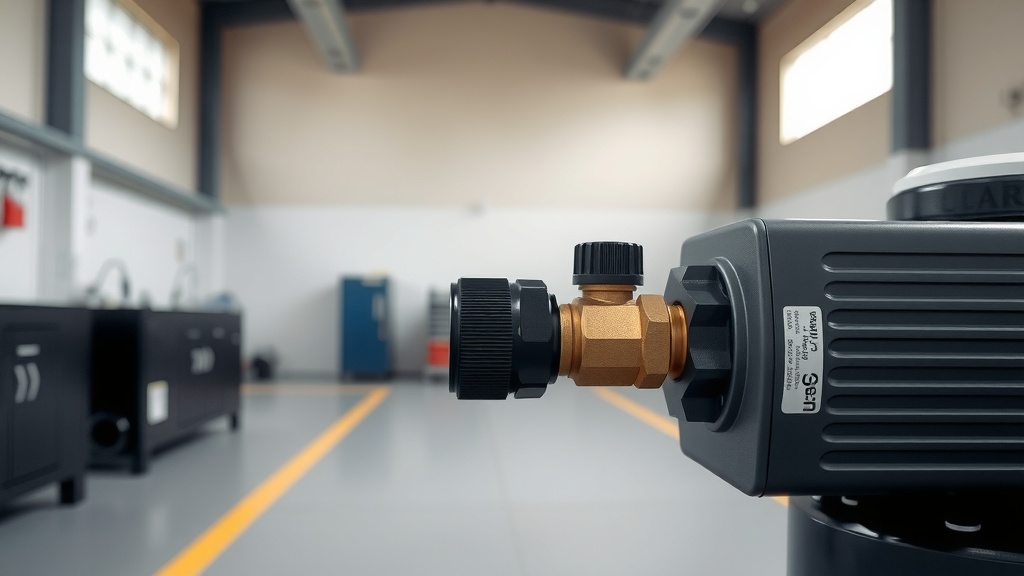
A check valve on an air compressor works like a bouncer at a club, allowing pressurized air to flow in only one direction, usually from the pump into the tank.
This crucial component prevents air from flowing backward from the storage tank into the compressor pump, protecting the motor and ensuring efficient operation.
Here’s a quick summary of what you’ll find:
- A check valve stops air from going back into the pump, protecting your compressor.
- It keeps pressure in the tank, making your compressor run smoother and last longer.
- If it fails, your compressor might run constantly or struggle to build pressure.
- Checking and maintaining this small part can save you big repair costs.
- You can often replace it yourself with the right tools and safety steps.
What Does A Check Valve Do On An Air Compressor?
An air compressor check valve acts as a simple, mechanical gate. It ensures that compressed air only travels from the compressor pump into the storage tank.
It stops that air from reversing its path back into the pump when the compressor isn’t actively pumping.
Why Is a Check Valve So Important?
Imagine trying to fill a bucket with a hole in the bottom. That’s a bit like an air compressor without a functioning check valve. We found that this small part is fundamental to air compressor efficiency.
It maintains the pressure you’ve worked to build up inside the tank. Without it, your compressor would struggle to hold pressure, running almost non-stop.
The Core Function: One-Way Flow
The primary job of a check valve is to allow one-way fluid flow. For air compressors, this means air can go from the pumping mechanism to the tank.
But it cannot come back the other way. It’s a simple, yet incredibly effective safety and efficiency device.
Preventing Backflow is Key
When your compressor shuts off, the air in the tank is under high pressure. This pressure could rush back into the pump if there were no check valve.
Many experts say this backflow would cause the pump to spin backward. It could also damage its delicate components or make it hard for the motor to restart (National Institute of Standards and Technology).
How a Check Valve Works: Simple Mechanics
Most air compressor check valves are straightforward. They often have a spring-loaded disc or a flap inside a housing.
When the pump pushes air, the pressure opens the disc or flap, letting air pass. When the pump stops, the spring or gravity pushes the disc closed, sealing off the tank.
Location Matters: Where You Find It
You’ll typically find the check valve located between the compressor pump and the air receiver tank. It’s usually near the tank inlet.
Sometimes, it’s integrated into the pressure switch assembly. Knowing its location helps when you need to inspect it.
Signs Your Air Compressor Check Valve Might Be Failing
A failing check valve often sends out clear signals. Ignoring these can lead to bigger problems and costly repairs.
Pay attention if your compressor starts acting differently.
Common Symptoms to Watch For
Here’s a quick checklist of common signs:
- Compressor runs constantly or cycles too often.
- It struggles to build pressure, taking much longer than usual.
- Air leaks from the unloader valve when the compressor shuts off.
- The motor strains or hums when trying to restart under pressure.
- Your air tools seem to lose power quickly.
What Happens If You Ignore a Failing Check Valve?
Ignoring these symptoms can lead to more serious issues. For example, the compressor motor might burn out from overwork.
We found that constant running wastes electricity and causes excessive wear on pump components. Don’t let a small problem become a major breakdown.
Replacing a Check Valve: Is It a DIY Job?
Replacing a check valve is often a manageable DIY task for many users. However, it does require some mechanical aptitude and proper safety precautions.
Here’s a look at whether you should tackle it yourself or call a pro:
| Aspect | DIY Replacement | Professional Service |
|---|---|---|
| Cost | Lower (parts only) | Higher (parts + labor) |
| Skill Level | Moderate (basic tools needed) | Expert (guaranteed work) |
| Time | Can take a few hours | Quick, efficient service |
| Warranty | None | Often includes labor warranty |
Steps for a Safe Replacement
If you decide to replace it yourself, safety comes first:
- Always unplug the compressor and bleed all air pressure from the tank.
- Locate the old check valve, often where the discharge tube meets the tank.
- Use wrenches to carefully remove the old valve, noting how it was installed.
- Apply thread sealant (like PTFE tape) to the new valve’s threads.
- Install the new valve, tightening it securely but not overtightening.
- Test for leaks with soapy water after repressurizing the tank.
Maintenance Tips for Your Check Valve
While check valves are generally low-maintenance, a little attention goes a long way. Regularly checking it can prevent surprises.
We recommend visual inspections during routine compressor checks.
Extending Its Lifespan
Keep your check valve happy by ensuring your compressor system is clean. Dust and debris can clog the valve or prevent it from sealing properly.
Using a good air filter on your compressor also helps keep contaminants out of the entire system.
Conclusion
The check valve is a small but mighty hero in your air compressor system. It plays a vital role in preventing damage and ensuring efficient operation. Understanding its function and recognizing signs of failure can save you time, money, and frustration.
Regular checks and timely replacement are key to keeping your air compressor running smoothly for years to come. Remember, a well-maintained compressor is a reliable compressor.
What are common types of check valves used in air compressors?
Air compressors typically use swing check valves or lift check valves. Swing check valves have a disc that pivots on a hinge, while lift check valves have a disc that lifts off its seat when pressure is applied. Both are designed for one-way flow.
Can a faulty check valve cause the air compressor to overheat?
Yes, a faulty check valve can indirectly lead to overheating. If the valve fails to seal, the compressor might run constantly to maintain tank pressure. This continuous operation without adequate rest can cause the motor and pump to overheat.
How often should I inspect my air compressor check valve?
It’s a good practice to visually inspect your check valve during routine compressor maintenance, perhaps every few months or annually depending on usage. If you notice any of the listed symptoms, check it immediately.
Is it possible to clean a check valve instead of replacing it?
Sometimes, a check valve might be sticking due to debris. It may be possible to disassemble, clean, and reassemble it, especially if it’s an older, serviceable model. However, many modern check valves are sealed units, making replacement the more practical option.
Does the size of the check valve matter for my air compressor?
Absolutely. The check valve must match the pipe thread size and flow capacity of your compressor system. Using an incorrect size can restrict airflow or fail to seal properly, impacting performance and efficiency. Always use the manufacturer’s recommended size.
