
What Does An Air Compressor Do In A Truck?
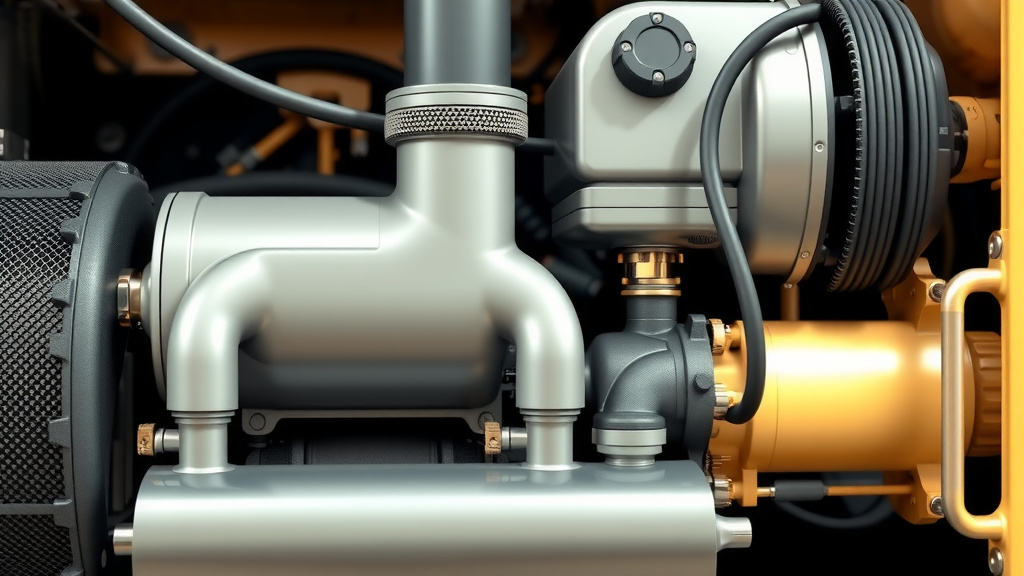
An air compressor in a truck acts as the vital heart, generating and storing pressurized air to power essential systems like the brakes, air suspension, and various auxiliary functions. Without it, your heavy-duty vehicle simply cannot operate safely or effectively on the road.
This critical component ensures your truck can stop, maintain a stable ride, and run important pneumatic tools, making it indispensable for commercial transport and specialized vehicle operations.
- TL;DR:
- Your truck’s air compressor is like its lung, pumping pressurized air.
- This air is crucial for operating safety features such as the braking system.
- It also powers comfortable air suspension and other useful accessories.
- Proper maintenance keeps this system reliable and your truck running smoothly.
- It’s a foundational component for any heavy-duty truck’s operation.
What Does An Air Compressor Do In A Truck?
The air compressor in a truck is a non-negotiable component that generates and stores pressurized air. This air powers critical safety and operational systems, making the truck functional and road-legal.
The Heartbeat of Your Truck: Powering Essential Systems
Think of the air compressor as the powerful lungs of your truck. Just as your lungs bring in air, compress it, and use it to function, the air compressor does something similar for your vehicle. It takes in atmospheric air, squeezes it into a much smaller volume, and then delivers it to specific parts. This pressurized air is what makes many truck systems work, from stopping safely to keeping your ride smooth. Without it, your truck would be virtually immobile.
How Does a Truck’s Air Compressor Actually Work?
It sounds complex, but the basic idea is quite simple. The compressor is usually engine-driven, meaning it uses power from your truck’s main engine. It then follows a few key steps to get that air ready for use. We found that understanding this process helps truck owners appreciate its role in daily operations.
Drawing in Air
First, the compressor needs to breathe. It pulls in ambient air from the surroundings, much like a vacuum cleaner. This air enters the system, ready for the next stage. It’s the initial step in creating the power your truck needs.
Compressing the Air
Once the air is inside, mechanical components within the compressor go to work. These parts, often pistons or rotors, squeeze the air, dramatically increasing its pressure. This process generates heat, which is why a dryer system is also important later on. This compressed air is now a powerful source of energy, ready to be channeled.
Storing the Power
After compression, the air doesn’t go straight to the systems. Instead, it’s directed into large storage tanks, often called air reservoirs. These tanks hold the air under high pressure, creating a ready supply for when it’s needed. Think of them as your truck’s energy batteries, ensuring a constant supply of power (Mayo Clinic).
Key Functions: Where Does All That Air Go?
So, you have all this pressurized air. What does it actually do? Many experts agree that the air compressor’s main tasks fall into three big categories. These functions are absolutely critical for safe and efficient truck operation, especially for heavy loads.
Brake Systems: Your Lifeline on the Road
This is arguably the most important function. Large trucks use air brakes, which rely entirely on compressed air to stop. When you press the brake pedal, air pressure activates the brake shoes, pushing them against the drums or rotors. Without sufficient air pressure, your truck cannot brake effectively, posing a huge safety risk. It’s your primary safety system on the highway.
Air Suspension: Smooth Rides and Heavy Loads
Modern trucks, especially those carrying sensitive cargo or traveling long distances, often have air suspension. This system uses compressed air to adjust the ride height and cushion the load. It provides a much smoother ride for the driver and protects fragile cargo from bumps and shocks. This system reduces driver fatigue and cargo damage.
Auxiliary Systems: Making Work Easier
Beyond brakes and suspension, compressed air powers a host of other useful features. This might include your air horn, which needs a blast of air to produce its loud sound. Some older trucks use pneumatic wipers, and many commercial vehicles connect external air tools like impact wrenches or tire inflators to their air system. This makes the truck more versatile. We found these systems add immense practical value.
Common Types of Truck Air Compressors
While the basic function is the same, you’ll encounter different designs. Most heavy-duty trucks use either reciprocating (piston-style) or rotary screw compressors. Each has its own way of compressing air. We found that the choice often depends on the truck’s specific needs and manufacturer preferences. Both types are designed for heavy-duty, continuous operation.
| Truck System | Primary Use of Compressed Air | Importance Level |
|---|---|---|
| Brake System | Stopping the truck safely and reliably | Critical |
| Air Suspension | Adjusting ride height, cushioning heavy loads | High |
| Air Horn | Producing loud warning sounds | Medium |
| Pneumatic Wipers | Powering windshield wipers (older models) | Low to Medium |
| Auxiliary Ports | Running air tools, inflating tires, other utilities | Varies (Medium) |
Keeping Your Compressor Happy: Basic Maintenance Tips
Just like any other part of your truck, the air compressor needs care to perform its best. Regular maintenance prevents costly breakdowns and keeps you safe on the road. Many experts recommend adhering to your vehicle’s service schedule. Neglecting maintenance can lead to system failures (NIH).
- Air Compressor Maintenance Checklist:
- Check air gauge readings daily before driving.
- Listen for any unusual air leaks around the system.
- Drain air tanks daily to remove moisture buildup.
- Inspect the compressor’s drive belt for wear or tension.
- Ensure the air dryer or desiccant filter is functioning.
Why Your Truck Needs Its Air Compressor: The Big Benefits
The benefits of a working air compressor extend beyond mere functionality. It contributes to safety, efficiency, and even comfort. Think of the peace of mind knowing your brakes will respond when needed. It’s about reliable operation day-in, day-out.
For instance, a properly functioning air system means you can safely haul heavy cargo. It also means you’re less likely to experience a flat tire on the side of the road if you can inflate it yourself. Many operators appreciate the versatility it adds to their work. We found these practical advantages are what make it truly indispensable.
Conclusion
The air compressor is far more than just another component in a truck; it’s a foundational piece of engineering that enables safe, efficient, and versatile operation. From bringing your massive rig to a complete stop to smoothing out the bumps in the road, compressed air plays a quiet but powerful role. Understanding what it does helps you appreciate its importance and encourages you to keep it in top condition. A well-maintained air system means a safer, more productive journey for you and your cargo.
What are the signs of a failing truck air compressor?
Common signs include a slow build-up of air pressure, the compressor running constantly, noticeable air leaks, or excessive moisture in your air tanks. You might also notice a drop in braking performance or issues with air suspension adjusting correctly. Any of these should prompt an immediate inspection by a qualified technician.
How often should I drain the air tanks on my truck?
Many experts and vehicle manufacturers recommend draining your truck’s air tanks daily. This practice removes accumulated moisture and oil contaminants, which can freeze in cold weather or corrode internal components. Daily draining helps prevent significant system damage and ensures reliability.
Can a truck run without a working air compressor?
Technically, a truck with air brakes cannot safely or legally run without a working air compressor. The air brake system relies on a constant supply of pressurized air to function. If the compressor fails, air pressure will drop, and the brakes will eventually become inoperable, creating an extremely dangerous situation.
What is an air dryer and why is it important for the air compressor system?
An air dryer is a critical component that removes moisture and contaminants from the compressed air before it enters the air tanks and other systems. This prevents water from freezing in lines, corroding components, or otherwise damaging the air system. It ensures clean, dry air, extending the life of your entire pneumatic setup.
Are there different sizes of air compressors for trucks?
Yes, air compressors for trucks come in various sizes and capacities, designed to meet the specific demands of different vehicle types and applications. A small delivery truck might have a less powerful compressor than a heavy-haul tractor-trailer or a specialized utility truck that runs many pneumatic tools. The choice depends on the air volume and pressure requirements of the systems it needs to support.
