
What Does The Air Compressor Governor Control?
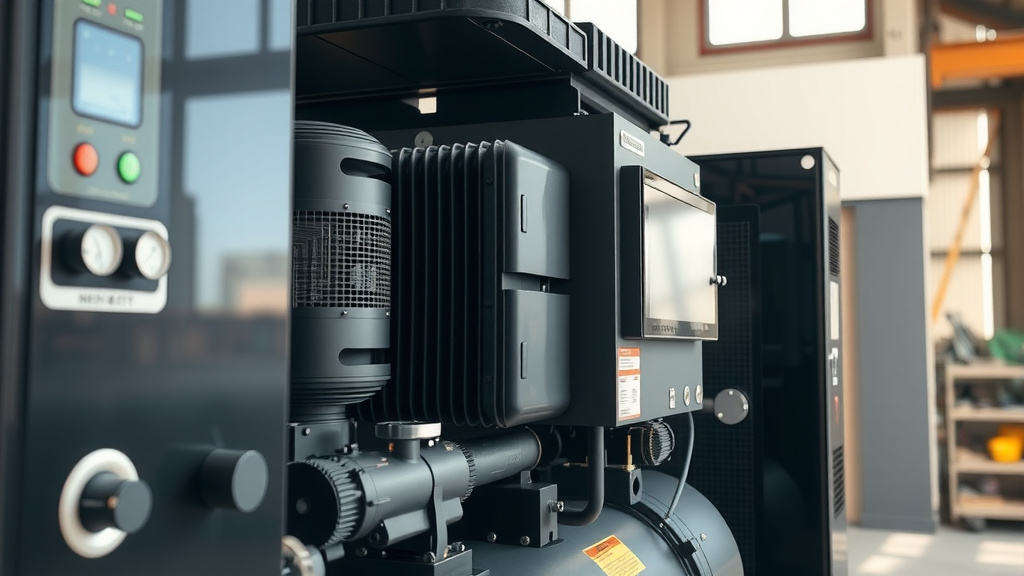
The air compressor governor primarily controls the air pressure within your system. It acts as a vigilant guardian, ensuring your compressor maintains a consistent operating pressure, preventing over-pressurization and wasted energy.
This essential component precisely manages when the compressor “loads” (compresses air) and “unloads” (runs idle), making sure your system stays within safe and efficient pressure limits.
Here’s a quick rundown of what you’ll discover about your air compressor governor:
- It’s the brain behind your compressor’s pressure regulation.
- The governor keeps your system safe by preventing too much pressure.
- It helps save energy by telling the compressor when to take a break.
- You’ll learn how it works by managing air intake and release.
- Spotting issues early can save you big headaches and repair costs.
What Does The Air Compressor Governor Control?
Your air compressor governor controls the crucial act of maintaining desired air pressure within your system. Think of it as the ultimate traffic cop for air, directing flow to keep everything running smoothly and safely. It dictates when your compressor needs to work and when it can rest.
The Core Job of Your Air Compressor Governor
The primary function of the governor is to regulate the pressure cycle. When the system pressure reaches its maximum set point, the governor signals the compressor to “unload.” This means it stops compressing air but often continues to run, saving wear and tear from constant stopping and starting.
Conversely, when the pressure drops to the minimum set point, the governor tells the compressor to “load” again. This restarts the compression process, refilling your air tank. This continuous dance keeps your tools powered and your operations flowing.
How Does an Air Compressor Governor Work?
It’s simpler than you might imagine. The governor is a mechanical device, often found on gas or diesel-powered compressors. It works in tandem with unloader valves to manage air flow. We found this design helps maintain constant engine speed while regulating air delivery.
Sensing Pressure Changes
The governor is connected to the air receiver tank, constantly sensing the internal pressure. As compressed air fills the tank, the pressure builds. The governor is set to react at specific high and low pressure thresholds.
Activating Unloader Valves
Once the tank pressure hits the upper limit, the governor acts. It sends a signal, often pneumatic, to the unloader valves. These valves then open, diverting air from the compressor pump, effectively preventing more air from entering the tank. This makes the compressor pump idle.
Preventing Over-Pressurization
This unloading action is key for safety. Without a governor, your compressor would just keep pumping, potentially leading to dangerous pressure levels. Many experts say this mechanism is vital for preventing equipment damage and potential hazards (OSHA guidelines).
Why Do We Need a Governor?
Having a governor isn’t just a nice feature; it’s a necessity for efficient and safe compressor operation. It saves energy, prolongs equipment life, and protects anyone working nearby. Imagine trying to manually turn your compressor on and off all day – what a headache!
Protecting Your Equipment (and You!)
Beyond safety, a governor helps reduce wear and tear on your compressor’s engine or motor. Instead of constantly stopping and starting, which can be hard on components, the engine runs more consistently. This leads to a longer lifespan for your compressor, saving you money on repairs and replacements.
Different Types of Compressor Controls
While governors are common on larger, engine-driven compressors, other systems use different methods to control pressure. It’s all about matching the control type to the compressor’s specific application and power source.
On/Off Pressure Switches
Many electric-powered piston compressors use a simple pressure switch. When tank pressure hits the high limit, the switch shuts off the motor entirely. When pressure drops, it kicks the motor back on. This is great for smaller units, but constant stopping and starting can strain larger motors.
Variable Speed Drives (VSDs)
Modern screw compressors often use VSDs. These drives adjust the motor’s speed to match air demand precisely. If you need less air, the motor slows down. This offers excellent energy efficiency and very stable air pressure, making them a favorite for industrial settings.
Here’s a quick look at how governor control stacks up against a common pressure switch:
| Feature | Air Compressor Governor | On/Off Pressure Switch |
|---|---|---|
| Primary Action | Unloads (runs idle, stops compressing) | Shuts off compressor motor |
| Power Type Common | Gas/diesel engine-driven | Electric motor-driven |
| Engine/Motor Cycling | Engine runs continuously (unloaded) | Motor starts/stops frequently |
| Typical Application | Larger portable units, industrial | Smaller piston compressors |
| Energy Efficiency | Good for engine life, less engine start strain | Can be less efficient with high cycle rates |
Signs of a Malfunctioning Governor
A failing governor can throw your entire air system out of whack. Keeping an eye out for these symptoms can help you catch issues early. Ignoring them could lead to costly repairs or safety concerns.
- Your compressor keeps running and won’t unload when full.
- The safety relief valve frequently pops open (over-pressurization).
- The compressor struggles to build pressure, or builds it too slowly.
- The engine or motor cycles on and off too frequently.
- You notice unusual leaks around the governor itself.
Maintaining Your Governor for Peak Performance
A little preventative care goes a long way. Keeping your governor in top shape ensures reliable operation and extends its life. We found that regular checks are far better than reactive repairs.
Here’s a simple checklist to keep your governor happy:
- Periodically inspect for visible damage or leaks.
- Ensure all connections are tight and secure.
- Check the pressure settings to confirm they’re within specs.
- Clean any debris that might affect its operation.
- Listen for unusual noises during the load/unload cycle.
When to Call a Professional
Sometimes, a problem is beyond a simple fix. If you’ve done your basic checks and the governor still isn’t behaving, it’s time to call in a professional. Expert technicians understand the nuances of these systems. Tampering with complex pressure systems can be dangerous, so knowing when to step back is smart.
Conclusion
The air compressor governor is truly an unsung hero of your pneumatic system. It masterfully controls air pressure, acting as a silent manager to keep things safe and efficient. By understanding its role, how it works, and common signs of trouble, you can better maintain your equipment. Regular checks and timely attention to any issues will keep your compressor running reliably, powering your tools for years to come. Remember, a well-controlled compressor is a happy compressor!
What is the main purpose of an air compressor governor?
The main purpose of an air compressor governor is to regulate and maintain consistent air pressure within the system. It achieves this by controlling when the compressor loads (compresses air) and unloads (runs idle without compressing), ensuring pressure stays within a safe and desired range.
Can a faulty governor affect compressor performance?
Absolutely, a faulty governor can significantly impair compressor performance. It might cause the compressor to continuously run without unloading, leading to over-pressurization and safety valve activation, or it could prevent the compressor from building adequate pressure.
Is a governor the same as a pressure switch?
No, a governor is not the same as a pressure switch, though both regulate pressure. A governor typically unloads the compressor (allows it to run idle) while a pressure switch usually turns the entire compressor motor on and off. Governors are common on engine-driven units, while pressure switches are often found on electric piston compressors.
How can I tell if my air compressor governor is working correctly?
You can tell if your governor is working by observing the compressor’s behavior. It should stop compressing air (unload) once the tank reaches its maximum pressure and then start compressing again (load) when the pressure drops to the lower set point. Consistent pressure readings on your gauge during these cycles are also a good sign.
What are the safety implications of a broken air compressor governor?
A broken air compressor governor carries significant safety implications. Without proper regulation, the compressor could over-pressurize the tank, leading to the safety relief valve blowing off constantly or, in extreme cases, a dangerous tank rupture. This poses a serious risk to equipment and personnel.
