
What Does 2 Stage Air Compressor Mean?
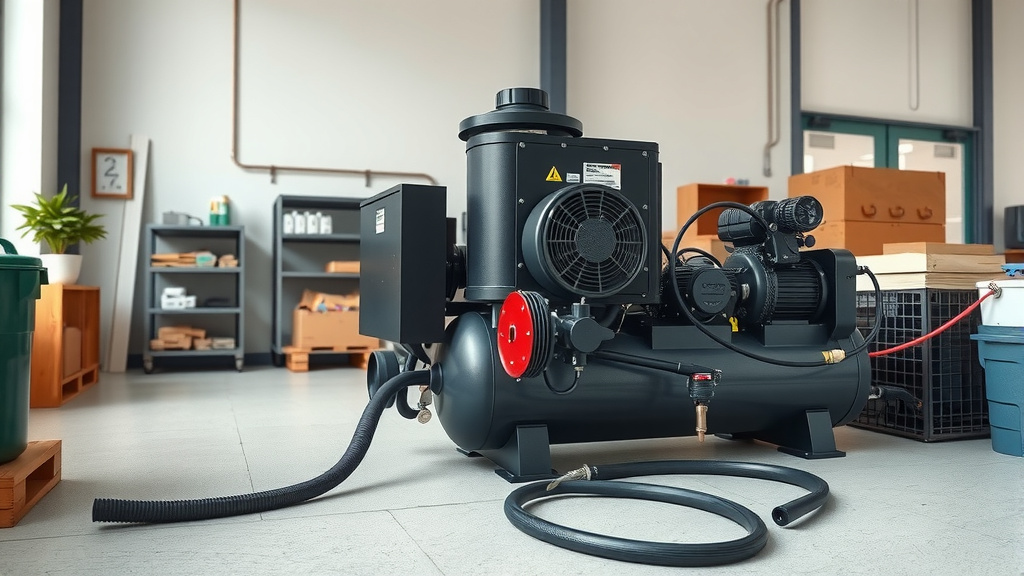
A 2-stage air compressor works by compressing air twice, first to an intermediate pressure and then to a higher final pressure, delivering more air volume and pressure efficiently.
This design cools the air between stages, making it more efficient and ideal for continuous, high-demand tasks like automotive work or manufacturing.
Here’s a quick overview of what a 2-stage air compressor offers:
- It uses two compression steps to achieve greater power.
- Air is cooled between stages, boosting efficiency significantly.
- You get higher pressure and more air volume for your projects.
- It excels at demanding jobs and continuous use.
- A smart choice for serious workshops and industrial needs.
What Does 2 Stage Air Compressor Mean?
A 2-stage air compressor takes in air, squeezes it once, cools it down, and then squeezes it a second time to reach a much higher pressure. Think of it as a two-punch system for maximum air power.
This method allows the compressor to store more energy in the compressed air, ready for your tools. It’s a design built for serious work.
The Magic Behind Two Stages
When an air compressor works, it pulls in air from the surroundings. A 2-stage unit has two cylinders that perform the compression.
First, a larger piston compresses the air to a moderate pressure. Then, this partially compressed air moves through an intercooler to reduce its temperature.
After cooling, a smaller piston takes over. It compresses the already pressurized air even further, reaching the final high-pressure output. This dual action is why it’s so effective.
Why Not Just One Stage?
A single-stage compressor does all its work in one go. It compresses air in a single cylinder to its final pressure.
While simpler, this one-step process generates more heat. Higher heat means less efficiency and often a lower maximum pressure. We found that two stages handle heat better, making them superior for tough jobs.
A Glimpse into How Air Compression Works
Imagine squeezing a balloon. The air inside gets denser. That’s what a compressor does.
It uses a piston moving inside a cylinder to reduce the air’s volume. When air volume decreases, its pressure goes up. It’s simple physics at play.
The Benefits of a 2-Stage System
Why would you choose a 2-stage air compressor over a simpler model? The advantages are clear, especially if you need consistent power and reliability.
Many experts say these units are a wise investment for heavy use (Air Compressor Guide).
Higher Pressure, More Power
Because the air is compressed twice, 2-stage compressors can reach much higher PSI (pounds per square inch) levels. This means your tools get more force.
This extra power is essential for air tools that demand a lot, such as impact wrenches, sanders, or paint sprayers. You get consistent performance without lag.
Better Efficiency, Less Heat
The intercooler between the two compression stages is a game-changer. Cooling the air makes it denser, allowing the second stage to compress it more easily.
This cooling also means the compressor works less hard to achieve the same pressure, saving energy. It’s a cooler operation all around, which is a big plus.
Longer Lifespan for Your Compressor
Operating at lower temperatures due to the intercooler reduces wear and tear on internal components. Heat is a compressor’s enemy.
When parts stay cooler, they last longer. This translates to greater durability and fewer breakdowns for your machine, saving you money on repairs over time.
When a 2-Stage Compressor Shines
So, where do these powerful machines truly make a difference? They excel in environments where air tools are in constant use or require high pressure.
If your work relies on air power day in and day out, a 2-stage unit is often the best fit.
Common Uses in Workshops
For automotive shops, body shops, or busy woodworking studios, a 2-stage compressor is almost a necessity. They power everything from impact guns to plasma cutters.
Imagine running a sander for hours without your compressor struggling to keep up. That’s the reality with a 2-stage system. It delivers uninterrupted air supply.
Industrial Applications
In manufacturing plants, factories, or large construction sites, these compressors are the backbone of many operations. They run machinery, control systems, and power heavy-duty tools.
Research often connects these units with improved productivity in industrial settings (Compressed Air Best Practices). They are built for non-stop, demanding performance.
Is a 2-Stage Compressor Right for You?
Deciding if a 2-stage compressor is your best choice depends on your specific needs. Think about how you’ll use it and for how long.
Do you frequently use high-demand air tools? Is your work continuous? If so, you’re likely heading in the right direction.
Key Factors to Consider
Before making a decision, ask yourself a few questions. What kind of tools will you power? How often will you use them?
Your workspace size and available power source are also important. We found that matching the compressor to your actual workload prevents disappointment.
Understanding PSI and CFM
PSI (pounds per square inch) tells you the maximum pressure the compressor can generate. CFM (cubic feet per minute) tells you the volume of air it can deliver.
Always check the CFM requirements of your tools. A 2-stage compressor typically provides higher CFM at higher PSI, making it more versatile for demanding tools.
Keeping Your 2-Stage Unit Running Smoothly
Like any valuable tool, a 2-stage air compressor needs regular care. Simple steps can dramatically extend its life and ensure peak performance.
This isn’t complicated; just a little attention goes a long way. Many guidelines point to a consistent maintenance schedule as a good first step (Manufacturers’ Manuals).
- Check oil levels regularly and change it as recommended.
- Drain moisture from the air tank daily to prevent rust.
- Clean or replace air filters to maintain air quality.
- Inspect hoses and fittings for leaks.
- Listen for unusual noises, which can signal a problem.
Single-Stage vs. 2-Stage: A Quick Look
Let’s compare the two main types of piston air compressors. This table helps clarify the differences and guide your decision.
Understanding these points makes it easier to pick the right machine for your shop or garage.
| Feature | Single-Stage Compressor | 2-Stage Compressor |
|---|---|---|
| Compression Steps | One step | Two steps (with intercooler) |
| Max PSI Output | Lower (around 135 PSI) | Higher (175 PSI or more) |
| Efficiency | Good for light use | Excellent, due to cooling |
| Heat Generation | Higher | Lower, managed by intercooler |
| Lifespan | Shorter with heavy use | Longer, more durable |
| Best For | DIY, intermittent tasks | Professional, continuous use |
What to Look For Before You Buy
Ready to get your own 2-stage air compressor? Here’s a quick checklist to help you choose wisely. It ensures you select a unit that truly fits your needs.
This small guide can save you from common buying mistakes.
- Determine your required CFM and PSI.
- Consider the tank size for your usage.
- Check the power source needed (voltage).
- Read reviews about reliability and brand support.
- Ensure it fits your budget and space.
Conclusion
Understanding what a 2-stage air compressor means helps you make a smarter choice for your projects. These powerful machines offer superior pressure, efficiency, and durability, especially for demanding tasks.
If you’re looking for a dependable workhorse that can keep up with continuous, high-pressure demands, a 2-stage compressor is likely your ideal partner. It’s a reliable investment that pays off in performance and longevity.
What is the main advantage of a 2-stage air compressor?
The main advantage is its ability to deliver higher pressure and greater air volume more efficiently than single-stage models. This is thanks to compressing the air twice and cooling it between stages, which reduces heat and improves performance.
Can a 2-stage compressor run continuously?
Yes, 2-stage air compressors are designed for continuous operation. Their two-stage compression and intercooling system manage heat better, allowing them to work longer without overheating, making them perfect for industrial and professional settings.
Are 2-stage air compressors louder than single-stage?
Not necessarily. While they are more powerful, noise levels depend on the specific model and features like sound-dampening enclosures. Many modern 2-stage compressors are designed to operate within acceptable noise ranges, especially industrial models.
How much maintenance does a 2-stage air compressor need?
Regular maintenance is important for a 2-stage compressor, similar to other air compressor types. This includes routine oil changes, draining condensation from the tank daily, and checking air filters and hoses. Consistent care ensures optimal performance and a long lifespan.
Is a 2-stage air compressor good for home DIY use?
For casual home DIY tasks, a single-stage compressor is often enough. However, if your DIY projects involve heavy-duty tools, continuous use, or require higher pressure (like sandblasting or painting cars), a 2-stage compressor would provide better performance and reliability.
