
What Happens When Air Compressor Goes Out?
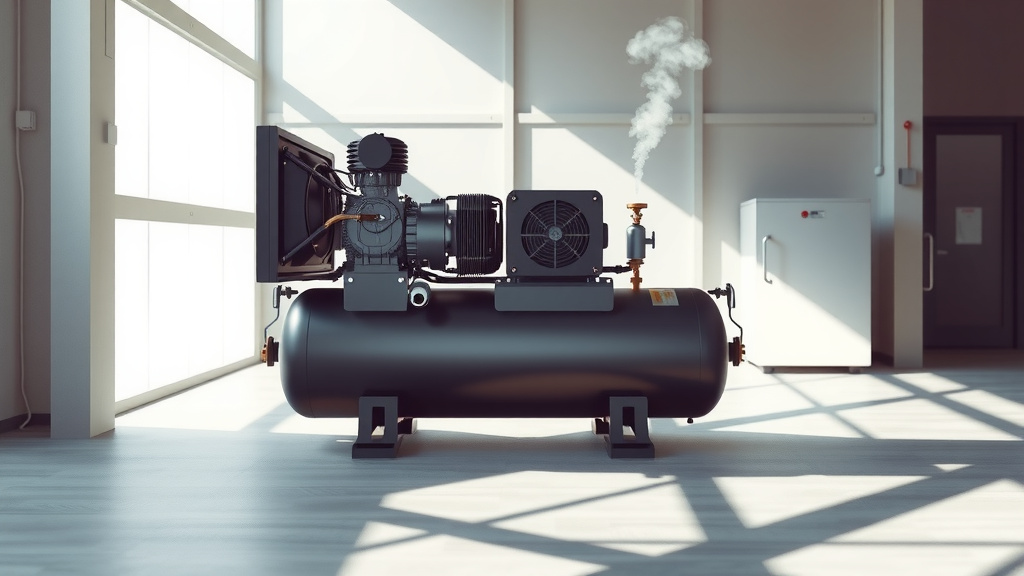
When your air compressor goes out, your operations grind to a halt, stopping essential pneumatic tools and processes instantly.
This breakdown often leads to lost productivity, missed deadlines, and unexpected repair costs, significantly impacting your bottom line.
Here’s a quick overview of what to expect when your air compressor stops working:
- Your tools will stop functioning immediately.
- Production comes to a sudden stop.
- You’ll face unexpected repair or replacement expenses.
- Ignoring issues can lead to more costly problems.
- Regular maintenance is key to avoiding these headaches.
What Happens When Air Compressor Goes Out?
When your air compressor goes out, the immediate result is a complete loss of compressed air, bringing any air-powered operations to a standstill.
This interruption means your production lines stop, and essential tasks cannot proceed.
Immediate Impact on Your Operations
Imagine your workshop or factory suddenly goes silent. That’s often what happens. Your entire workflow, which relies on consistent air pressure, simply stops cold.
Loss of Productivity and Work Stoppage
Any task requiring compressed air, from operating nail guns to powering spray paint systems, becomes impossible. You’ll experience significant delays in project completion and service delivery.
Damage to Pneumatic Tools and Equipment
Some tools might suffer damage if they suddenly lose air pressure mid-operation. This can happen particularly with delicate instruments or machinery that relies on a constant, smooth air supply (research often highlights this risk).
Safety Concerns in Industrial Settings
In industrial environments, a sudden compressor failure can pose safety risks. Machinery might stop abruptly, potentially creating hazardous conditions for workers.
Common Reasons an Air Compressor Fails
Compressors are robust, but they aren’t immune to issues. Understanding common problems can help you act quickly.
Motor Overload or Burnout
The motor is the heart of your compressor. If it’s overworked, lacks proper ventilation, or experiences electrical problems, it can overheat and fail (Many experts point to this as a primary cause).
Pressure Switch Malfunctions
The pressure switch tells the compressor when to start and stop. If it’s faulty, your unit might run continuously, or not start at all, leading to inconsistent air supply.
Air Leaks in the System
Small leaks in hoses, fittings, or tanks force your compressor to work harder than necessary. Over time, this constant effort can wear out components faster and lead to failure.
Overheating Issues
Poor ventilation, clogged filters, or low oil levels can cause your compressor to overheat. This triggers safety shutdowns, or worse, leads to internal component damage.
Lack of Maintenance
This is a big one. Skipping oil changes, filter replacements, or draining the tank allows wear and tear to build up, severely shortening your compressor’s lifespan (industrial guidelines emphasize regular checks).
Quick Troubleshooting Steps You Can Take
Don’t panic! Sometimes, a simple check can get you back up and running.
Here’s a quick checklist:
- Check the power supply and circuit breaker.
- Listen for unusual noises or air leaks.
- Inspect the pressure gauge and pressure switch.
- Review the oil level if it’s an oil-lubricated model.
- Clean or replace the air filter if it looks dirty.
Checking the Power Supply
Is the compressor plugged in? Is the circuit breaker tripped? Sometimes, the simplest answers are the right ones. Ensure you have a stable power source.
Inspecting for Air Leaks
Listen closely around hoses and connections for hissing sounds. You can also use soapy water to spray suspected areas; bubbles will reveal leaks. Fixing these can restore efficiency.
Reviewing the Pressure Switch Settings
Make sure the pressure switch is set correctly. A misadjusted switch might prevent the compressor from building or maintaining pressure properly. Refer to your owner’s manual for guidance.
The Financial Strain of Compressor Downtime
A failed compressor isn’t just an inconvenience; it can be an expensive problem, hitting your wallet hard.
| Issue Type | Immediate Cost | Long-Term Impact |
|---|---|---|
| Lost Productivity | Employee wages paid for no work | Delayed projects, lost client trust |
| Repair Costs | Parts and labor for technicians | Potential for recurring issues |
| Replacement Cost | Purchasing a new unit | Significant capital expenditure |
| Expedited Shipping | Rush delivery for parts/new unit | Increased overhead for urgent needs |
Cost of Lost Production and Labor
Every hour your compressor is down, you’re losing money. Employees are standing by, unable to work, and deadlines are missed. It’s a double hit to your budget.
Repair vs. Replacement Costs
Deciding whether to repair an old unit or buy a new one can be tough. Older compressors often have more expensive parts and can break down again soon. We found that considering the unit’s age and the extent of damage helps make the best economic choice.
Preventing Future Breakdowns
An ounce of prevention is worth a pound of cure, especially with air compressors. Regular care is your best defense.
Adhering to a Regular Maintenance Schedule
Follow the manufacturer’s guidelines for maintenance. This includes checking oil, changing filters, and draining condensation regularly. It’s like getting your car’s oil changed; it keeps things running smoothly (many manuals detail these steps).
Proper Ventilation and Environment
Ensure your compressor has plenty of clear space around it for airflow. A cool, dry environment extends its life. Overheating is a major enemy, so keep things airy.
Monitoring for Early Warning Signs
Pay attention to unusual noises, vibrations, or changes in performance. Addressing minor issues early can prevent them from becoming major failures. Your compressor often tells you when something’s wrong, if you listen closely.
When to Call a Professional
Sometimes, DIY just won’t cut it. Knowing when to call in the experts saves you time, money, and headaches.
Complex Electrical or Mechanical Issues
If you’re dealing with motor problems, intricate wiring, or significant mechanical failures, it’s best to call a certified technician. They have the specialized tools and knowledge to diagnose and fix complex problems safely (we found this reduces risks).
Safety Concerns You Can’t Address
Compressors operate under high pressure, which can be dangerous. If you’re unsure about safety procedures or dealing with potential high-pressure leaks, always defer to a professional. Your safety is paramount.
Conclusion
A failing air compressor can disrupt your entire operation, causing unexpected costs and frustration. By understanding common failure points and taking proactive steps, you can minimize downtime and save money. Regular maintenance, quick troubleshooting, and knowing when to call a professional are your best strategies for keeping your air compressor, and your business, running efficiently. Don’t let a minor issue become a major setback; stay informed and prepared.
What are the typical lifespan expectations for an air compressor?
The lifespan of an air compressor varies widely based on its type, usage, and maintenance. Many experts say a well-maintained industrial compressor can last 10-15 years or even longer, while consumer-grade models might last 3-5 years with regular use.
Can I use any type of oil in my air compressor?
No, you should only use the specific type of air compressor oil recommended by the manufacturer. Using the wrong oil can lead to overheating, poor performance, and severe damage to internal components (research consistently highlights this).
How often should I drain the air tank?
It’s recommended to drain the air tank daily, especially in humid environments or with heavy use. This removes condensed moisture, preventing rust inside the tank and extending its life, as well as protecting your tools.
What is “short cycling” in an air compressor?
Short cycling is when an air compressor turns on and off too frequently. This can be caused by air leaks in the system, a faulty pressure switch, or a tank that’s too small for the demand. It increases wear and tear on the motor.
Is it more cost-effective to repair or replace an old compressor?
This depends on the age of the compressor, the cost of the repair, and the overall condition of the unit. If repairs cost more than half the price of a new unit, or if the compressor is very old and frequently breaking down, replacement is often the more cost-effective long-term solution.
